






If you’ve ever tasted a creamy sauce with a subtle, slightly sweet, and almost licorice-like flavor, there’s a good chance you’ve already met tarragon. This elegant herb is a quiet star in the kitchen and a fascinating plant in the garden. Known for its role in classic French cuisine, tarragon brings both flavor and history to your plate.
But tarragon is more than just a culinary herb. It’s a resilient perennial, a pollinator-friendly plant, and one that has been used for centuries in traditional remedies. Whether you’re looking to grow your own herb garden, expand your cooking skills, or simply learn more about this plant, you’re in the right place.
In this Plant Compendium entry, you’ll discover everything you need to know about tarragon—from its origins and plant structure to how to grow, harvest, and use it in your daily life.
History of Tarragon
Tarragon has a long and somewhat mysterious past. Its name comes from the Latin word dracunculus, meaning “little dragon.” This nickname likely refers to the plant’s twisting roots, which were once thought to resemble serpents. In medieval times, people believed tarragon could treat snake bites—an idea tied to the old “Doctrine of Signatures,” where a plant’s appearance suggested its use.
Originally native to Central Asia and Siberia, tarragon spread westward through trade routes and cultural exchange. It became especially popular in Europe, where it found a home in French cuisine. In fact, French tarragon is considered the gold standard variety today, prized for its refined flavor.
By the time it reached North America, tarragon had already built a strong reputation as both a culinary and medicinal herb. Today, it’s a staple in herb gardens and kitchens around the world.
Botanical Description
Scientific name: Artemisia dracunculus L.
Family: Asteraceae
Roots: Tarragon has a network of slender, fibrous roots that spread just below the soil surface. These roots are relatively shallow but can expand outward over time, helping the plant form dense clumps. Because of this growth pattern, tarragon can be divided easily, making it simple to propagate.
Stems: The stems are upright, smooth, and slightly woody at the base as the plant matures. They typically grow between 2 to 4 feet tall. The stems branch out modestly, giving the plant a somewhat airy, open appearance.
Leaves: Tarragon leaves are long, narrow, and smooth, with a deep green color. They grow alternately along the stem and have a slightly glossy surface. When you rub them between your fingers, they release a distinctive aroma—sweet, herbal, and slightly reminiscent of anise.
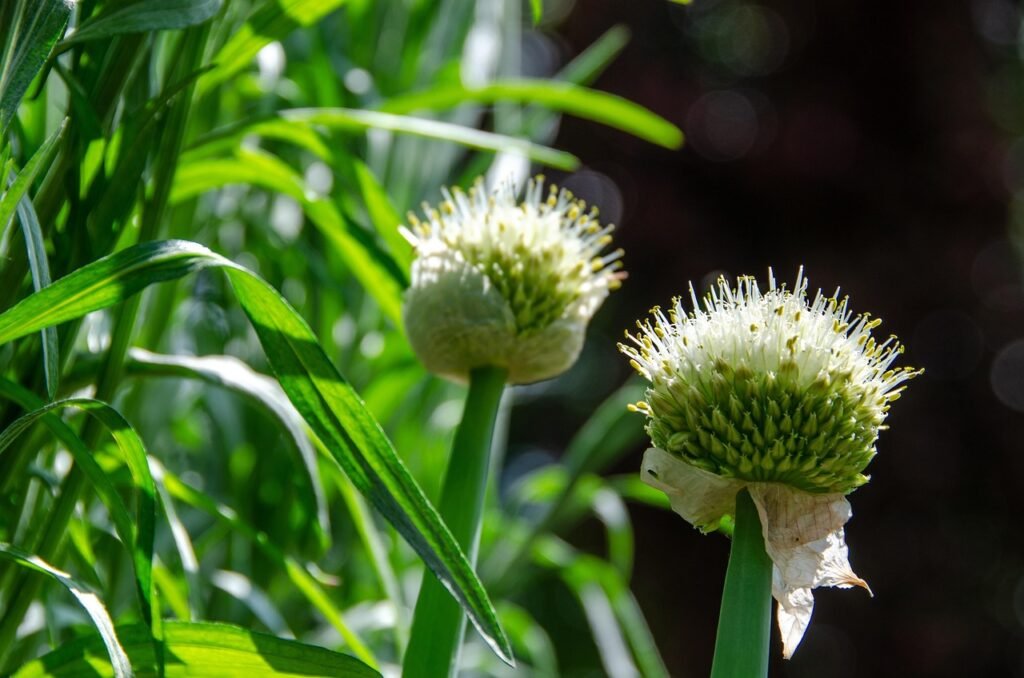
Flowers: The flowers are small, pale green or yellowish, and not particularly showy. They grow in clusters and are often overlooked. In many cultivated varieties, especially French tarragon, flowers are either sterile or rarely produce viable seeds.
Fruits: Tarragon does produce small, dry fruits, but they are not commonly used or harvested. In fact, with French tarragon, fruit production is minimal or non-existent due to its sterility.
Seeds: Here’s where things get interesting. French tarragon does not produce viable seeds, which means it must be propagated through cuttings or root division. Russian tarragon, on the other hand, does produce seeds, but it lacks the rich flavor that makes French tarragon so desirable.
Growing Instructions
Here’s everything you need to know to get tarragon off to a great start:
Sunlight: Tarragon thrives in full sun, meaning at least 6 to 8 hours of direct sunlight per day. If you live in a very hot climate, a bit of afternoon shade can help prevent stress.
Soil: Well-draining soil is key. Tarragon does not like “wet feet,” so sandy or loamy soil works best. If your soil is heavy or clay-based, consider adding compost or sand to improve drainage.
Temperature: Tarragon is a hardy perennial in many regions. It prefers moderate temperatures and can tolerate light frost. However, extreme cold may require mulching to protect the roots during winter.
Watering: Water your tarragon moderately. Allow the soil to dry slightly between waterings. Overwatering can lead to root rot, which is one of the few things that can seriously harm this plant.
Spacing: Give each plant about 18 to 24 inches of space. Tarragon tends to spread over time, and good airflow helps prevent disease.
Pruning: Regular pruning encourages bushier growth. Trim back stems throughout the growing season, especially before flowering, to maintain flavor and shape.
Support: Tarragon usually doesn’t need support, but taller plants may benefit from light staking in windy areas.
Life Cycle: Tarragon follows a typical life cycle consisting of:
- Germination: For Russian tarragon, seeds germinate within 1–2 weeks under warm conditions. French tarragon skips this stage since it’s propagated vegetatively.
- Vegetative Growth: This is when the plant focuses on leaf and stem development. It’s also the best time for harvesting leaves.
- Flowering: Flowers may appear in late summer, though they are often minimal and not the main attraction.
- Fruit Set: Limited in French tarragon. Russian varieties may produce small seeds.
- End of Season: In colder climates, the plant dies back in winter and regrows in spring.
Harvesting and Foraging
Harvesting
You can begin harvesting tarragon once the plant is well established, usually when it reaches about 6 inches tall. The best time to harvest is in the morning, after the dew has dried but before the sun becomes too strong.
Use clean scissors or pruning shears to cut stems. Always leave at least one-third of the plant intact so it can continue growing. Regular harvesting actually helps the plant stay productive and healthy.
Foraging
Wild tarragon does exist, but it’s less common and often less flavorful than cultivated varieties. If you’re foraging, be sure you can correctly identify the plant. Look for its narrow leaves and distinctive aroma. When in doubt, it’s safer to grow your own.
Plant Companions
Tarragon is a great companion plant in the garden. It can help improve the growth and flavor of nearby vegetables while also repelling certain pests.
Good companion plants include:
Avoid planting it near plants that require very moist soil, as tarragon prefers drier conditions.
Common Pests and Diseases
Tarragon is relatively low-maintenance and resistant to many pests, but it’s not completely immune.
Common issues include:
- Aphids: Small insects that feed on sap
- Spider mites: Tiny pests that cause yellowing leaves
- Root rot: Usually caused by overwatering
- Powdery mildew: A fungal disease that appears as white powder on leaves
To prevent problems:
- Ensure good airflow
- Avoid overwatering
- Remove affected leaves promptly
Shopping Tips
When buying tarragon, especially for planting, choose French tarragon if your goal is culinary use. It has a much richer flavor compared to Russian tarragon.
Look for:
- Healthy green leaves
- No signs of pests or disease
- A strong, pleasant aroma
If you’re buying fresh tarragon for cooking, avoid wilted or yellowing leaves.
Storage
Fresh tarragon is delicate and should be used relatively quickly.
To store:
- Wrap the stems in a damp paper towel and place them in the refrigerator
- Alternatively, store them in a glass of water like a bouquet
For longer storage:
- Freeze chopped tarragon in ice cube trays with water or oil
- Drying is possible, but it significantly reduces flavor
Culinary Uses
This is where tarragon truly shines. Its unique flavor—slightly sweet, slightly bitter, and faintly licorice-like—makes it a favorite in many dishes.
Tarragon is a key ingredient in classic herb blends and sauces. It pairs especially well with:
- Chicken
- Fish
- Eggs
- Cream-based sauces
One of its most famous uses is in béarnaise sauce, where it adds depth and brightness. It’s also commonly used to flavor vinegar, creating a fragrant tarragon vinegar that can elevate salad dressings.
Here are some easy ways you can use tarragon in your cooking:
- Add fresh leaves to scrambled eggs or omelets
- Mix into butter for a simple herb spread
- Use in marinades for poultry or seafood
- Stir into salad dressings for a fresh twist
A little goes a long way, so start small and adjust to taste.
Health Benefits
Tarragon isn’t just flavorful—it also offers several potential health benefits.
It contains compounds that may:
- Support digestion
- Help regulate blood sugar levels
- Provide antioxidants that protect your cells
Traditionally, tarragon has been used to:
- Stimulate appetite
- Relieve mild digestive discomfort
- Promote better sleep
While it’s not a cure-all, incorporating tarragon into your diet can be a simple way to add both flavor and nutritional value.
Toxicity and Safety
Tarragon is generally safe for culinary use in normal amounts. However, like many herbs, it should be used in moderation.
Some considerations:
- Pregnant individuals should consult a healthcare provider before consuming large amounts
- Essential oils derived from tarragon can be potent and should be used with caution
For everyday cooking, though, tarragon is considered safe and beneficial.
Environmental Impact
Tarragon is a relatively eco-friendly plant. It requires less water than many other herbs and does not demand heavy fertilization.
Benefits include:
- Attracting beneficial insects
- Supporting biodiversity in your garden
- Being easy to grow without chemical inputs
Because it’s a perennial, you only need to plant it once, and it will return year after year. This makes it a sustainable choice for home gardeners looking to reduce waste and effort.