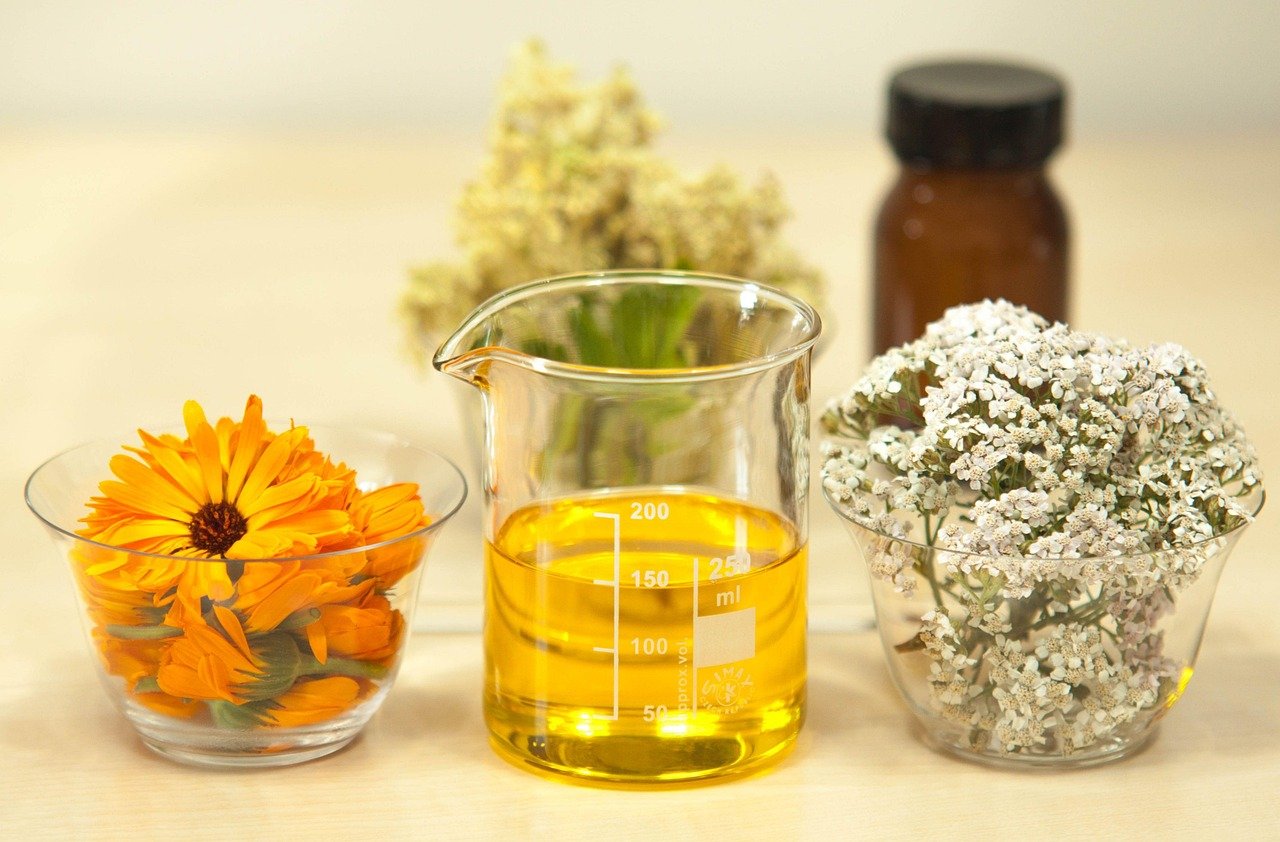






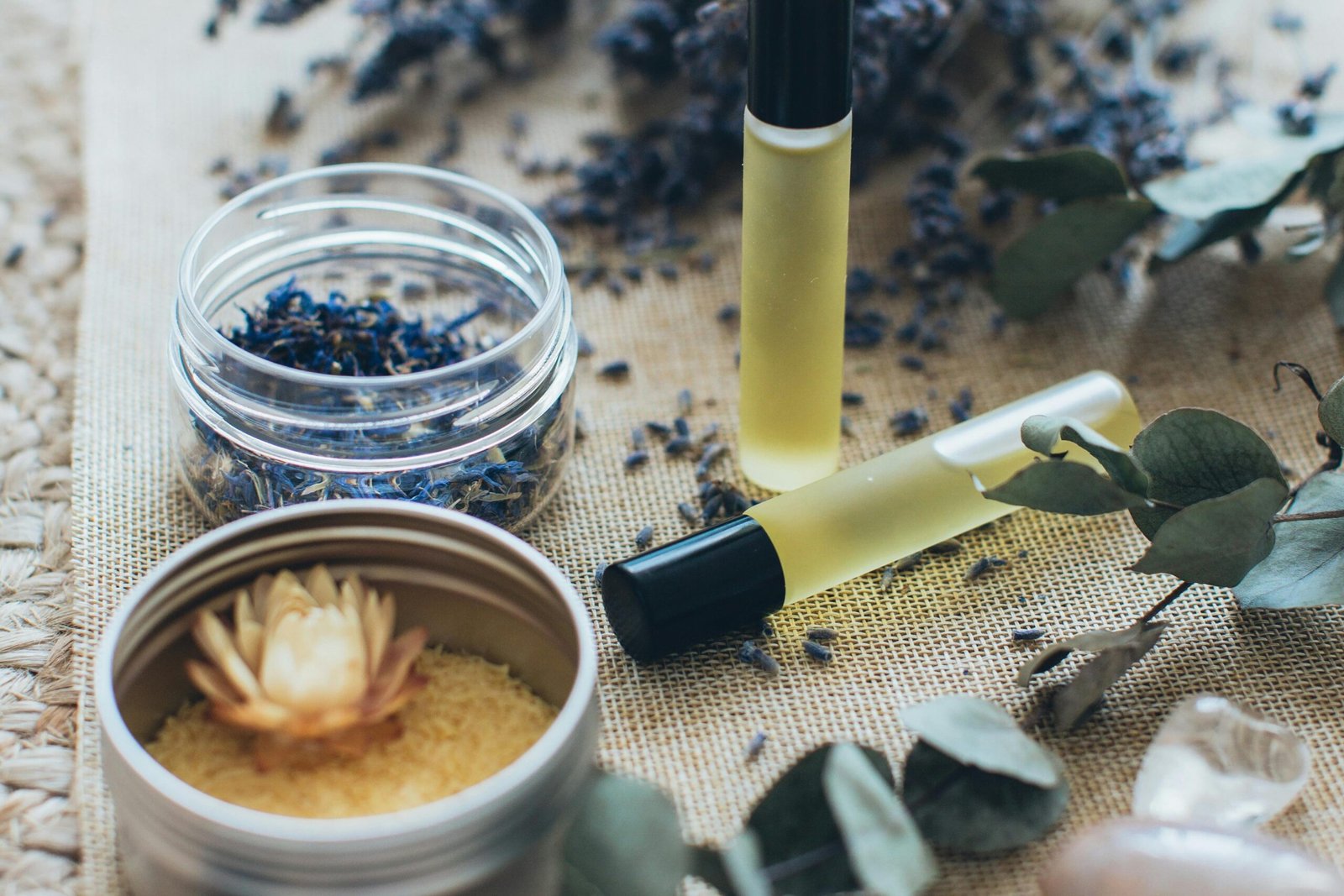
The article is about plants used to make natural perfumes, how they create scent, and how you can use them to craft your own botanical fragrance at home.
“Nature does not just grow beauty—it distills memory into scent, waiting for us to notice.” — The Economic Botanist
| What you will learn: * What are the best plants used to make natural perfumes at home? * How can you create a balanced natural perfume using top, middle, and base notes? * Which essential oils and plant-based ingredients help natural perfumes last longer? * What is the easiest way for beginners to start making DIY natural perfume? |
Natural perfume has made a strong comeback, and it’s easy to see why. Today, many people want to avoid synthetic chemicals and instead choose something more personal, more sustainable, and closer to nature. At the same time, learning how to make natural perfume can feel overwhelming. You might wonder where to start, which plants to use, and how to turn leaves or flowers into a lasting scent.
Fortunately, once you understand the basics, natural perfumery becomes both simple and creative. You don’t need a lab or expensive tools. Instead, you just need a few quality plant-based ingredients, a little patience, and a willingness to experiment. In this guide, you’ll learn about the best plants used to make natural perfumes, how scent works, and how to create your own DIY natural perfume step by step.
- What Are Natural Perfumes?
- How Plants Are Used in Perfume Making
- 15 Beautiful Plants Used to Make Natural Perfumes
- Best Plant Combinations for Natural Perfume Blends
- How to Make Natural Perfume at Home (Step-by-Step)
- Tips for Creating Long-Lasting Natural Fragrances
- Benefits of Using Plant-Based Perfumes
- Common Mistakes to Avoid in Natural Perfumery
- FAQs About Natural Perfume Ingredients
- The Bottom Line
What Are Natural Perfumes?
Natural perfumes use ingredients derived from plants, rather than synthetic fragrance chemicals. These include essential oils, plant extracts, resins, and even infused oils. Because of this, they offer a softer, more complex scent that changes over time on your skin.
Unlike commercial fragrances, which often rely on lab-made aroma compounds, plant-based perfumes highlight real botanical notes. As a result, no two blends smell exactly the same. Your skin chemistry, the environment, and even the freshness of the ingredients can change the final scent.
Moreover, many people choose natural fragrance oils and botanical perfume ingredients because they are gentler on the skin. While not all natural ingredients are risk-free, they tend to avoid the harsher chemicals found in synthetic perfumes.

How Plants Are Used in Perfume Making
Before you start blending, it helps to understand how plants become perfume ingredients. Different extraction methods produce different scent strengths and qualities.
Essential Oils
Essential oils are the most common base for DIY natural perfume. Producers extract them through steam distillation or cold pressing. For example, lavender and peppermint oils come from steam distillation, while citrus oils often come from pressing the peel.
Because they are concentrated, essential oils carry the true scent of the plant. Therefore, you only need a few drops to make a noticeable fragrance.
Absolutes and Extracts
Some delicate flowers, such as jasmine, cannot handle heat. Instead, producers use solvents to create what are called absolutes. These are richer and often more expensive than essential oils. However, they also offer deeper, more complex scent profiles.
Infusions and Tinctures
If you want a more hands-on approach, you can create your own plant extracts at home. For instance, you can soak herbs or flowers in alcohol or oil to pull out their fragrance. While this method produces a lighter scent, it works well for beginners exploring homemade perfume recipes.
Steam Distillation (Simplified)
Steam distillation separates essential oil from plant material using heat and water. Although it sounds technical, it’s simply a way to capture aromatic compounds. This process forms the backbone of modern natural perfumery.
15 Beautiful Plants Used to Make Natural Perfumes
Now let’s explore the heart of natural perfumery: the plants themselves. Each one offers a unique scent and plays a specific role in perfume blending.
Floral Perfume Ingredients
Flowers are often the stars of natural fragrance. They provide rich, romantic, and familiar scents.
Rose stands out as one of the most iconic floral perfume ingredients. It delivers a deep, sweet, and slightly spicy aroma. Because of its complexity, it often acts as a middle note in perfume blends.
Jasmine offers a strong, exotic scent that feels both sweet and slightly musky. Many natural perfumers use it to add depth and sensuality.
Lavender, on the other hand, gives a fresh, clean, and calming scent. It blends well with both floral and herbal notes.
Ylang-ylang brings a creamy, tropical sweetness. Therefore, it often appears in luxurious plant-based perfumes.
Fun Fact
It takes thousands of rose petals to produce just one small bottle of rose essential oil.
Herbal Notes for Natural Fragrance
Herbs add freshness and balance to perfume blends. They often work as middle or top notes.
Rosemary has a sharp, energizing scent. It pairs well with citrus and woody ingredients.
Mint delivers a cool and refreshing aroma. Because of its strength, you should use it in small amounts.
Basil adds a slightly spicy, green note that feels both fresh and complex.
Sage offers an earthy, slightly smoky scent that grounds lighter fragrances.
Woody and Earthy Base Notes
Woody plants provide depth and longevity. These are your base notes, which help the scent last longer.
Sandalwood gives a warm, creamy, and slightly sweet aroma. It also acts as a natural fixative.
Cedarwood has a dry, clean wood scent that adds structure to blends.
Patchouli offers a rich, earthy aroma that has remained popular for decades.
Vetiver delivers a deep, smoky, and slightly grassy scent. Because of its strength, it anchors many natural aroma compounds.
Citrus Notes for Freshness
Citrus oils bring brightness and energy to natural perfumes. However, they tend to fade quickly.
Lemon provides a crisp, clean scent that lifts heavier notes.
Bergamot offers a slightly sweet citrus aroma with a hint of spice.
Orange peel gives a juicy, cheerful scent that works well in beginner blends.
Fun Fact
Citrus oils are extracted from the peel, not the juice, which is why they smell more intense than fresh fruit.
Best Plant Combinations for Natural Perfume Blends
Once you understand individual plants, the next step involves blending them. A well-balanced natural perfume uses three layers: top, middle, and base notes.
Top notes create the first impression. These often include citrus and light herbs. However, they fade quickly.
Middle notes form the heart of the perfume. Floral and herbal ingredients usually sit here.
Base notes anchor the fragrance. Woody and earthy plants help the scent last longer.
For example, you might combine bergamot (top), lavender (middle), and sandalwood (base). As a result, you get a balanced, long-lasting fragrance.
| Blend Name | Top Notes (Fresh/Light) | Middle Notes (Heart) | Base Notes (Lasting) | Scent Profile | Best For |
|---|---|---|---|---|---|
| Floral Citrus Fresh | Bergamot, Lemon | Lavender, Rose | Sandalwood | Bright, clean, slightly sweet | Everyday wear |
| Romantic Floral | Orange Blossom | Jasmine, Rose | Vanilla, Sandalwood | Soft, sweet, sensual | Evening or date nights |
| Herbal Garden | Mint, Basil | Rosemary, Sage | Cedarwood | Fresh, green, slightly earthy | Daytime and summer |
| Earthy Woodlands | Bergamot | Lavender | Patchouli, Vetiver | Deep, grounding, warm | Fall and winter |
| Sweet Citrus Bloom | Orange, Lemon | Ylang-Ylang | Sandalwood | Sweet, tropical, uplifting | Mood-boosting scents |
| Forest Calm | Pine, Eucalyptus | Lavender | Cedarwood, Vetiver | Crisp, woody, calming | Relaxation and stress relief |
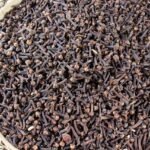
| Spiced Floral | Bergamot | Rose, Clove | Patchouli | Warm, slightly spicy, floral | Unique signature scents |
| Fresh Clean Linen | Lemon | Lavender | White Musk (plant-based alternative) | Clean, airy, light | Subtle daily fragrance |
| Green Earth Blend | Grapefruit | Basil, Mint | Vetiver | Fresh, green, slightly smoky | Nature-inspired scents |
| Exotic Floral Wood | Orange | Jasmine, Ylang-Ylang | Sandalwood, Patchouli | Rich, creamy, exotic | Bold, long-lasting perfumes |
How to Make Natural Perfume at Home (Step-by-Step)
Making your own natural perfume at home is easier than you might think. You can start with just a few ingredients.
First, gather your materials. You will need essential oils, a carrier oil or alcohol, and a small glass bottle.
Next, choose your scent profile. Decide whether you want something floral, fresh, or woody.
Then, follow a simple ratio:
- 30% top notes
- 50% middle notes
- 20% base notes
After that, mix your essential oils first. This step allows you to adjust the scent before diluting it.
Once you are happy with the blend, add it to your carrier. For oil-based perfumes, use jojoba oil. For alcohol-based perfumes, use perfumer’s alcohol.
Finally, let the mixture sit for at least 48 hours. Over time, the scent will mature and become more balanced.
Tips for Creating Long-Lasting Natural Fragrances
Although natural perfumes smell beautiful, they can fade faster than synthetic ones. However, you can improve their staying power with a few simple tips.
First, use fixatives. Ingredients like sandalwood, patchouli, and vetiver help lock in scent.
Next, store your perfume properly. Keep it in a cool, dark place to protect the natural fragrance oils.
Also, apply perfume to pulse points, such as your wrists and neck. Your body heat will help release the scent.
Finally, avoid over-diluting your blend. A stronger concentration will last longer on your skin.
Benefits of Using Plant-Based Perfumes
Natural perfumes offer several advantages beyond scent.
They reduce exposure to synthetic chemicals. As a result, many people find them gentler on sensitive skin.
They also support sustainability. Many botanical perfume ingredients come from renewable sources.
In addition, they allow for creativity. You can design a scent that reflects your personality and mood.
Common Mistakes to Avoid in Natural Perfumery
Even though natural perfumery is simple, beginners often make a few common mistakes.
First, they use too many ingredients. This can create a confusing and unbalanced scent.
Second, they ignore proportions. Without proper ratios, the perfume may smell too strong or too weak.
Third, they rush the process. Natural perfumes need time to develop their full aroma.
Finally, they choose low-quality ingredients. Always look for pure, high-quality essential oils for the best results.
FAQs About Natural Perfume Ingredients
What plants smell best in perfume?
Many plants work well, but popular choices include rose, lavender, jasmine, and sandalwood.
How long do natural perfumes last?
They usually last a few hours. However, using strong base notes can extend their life.
Can you make perfume without essential oils?
Yes, you can use infused oils or tinctures. However, the scent will be lighter.
The Bottom Line
Natural perfumery brings you closer to the plants themselves. Instead of relying on synthetic formulas, you work directly with nature’s own aromatic compounds. As you experiment with different botanical fragrance oils and plant extracts for perfume, you begin to understand how scent evolves and interacts.
Although it may take a few tries to find your perfect blend, the process itself is part of the reward. You are not just making a fragrance—you are creating something personal, meaningful, and completely unique.
Ready to start your natural perfume journey? Try your first blend today and discover how plants can transform into your signature scent.