





Fenugreek is one of those plants that quietly does it all. You’ll find it in kitchens, herbal medicine cabinets, and even in backyard gardens. Known for its warm, slightly bitter flavor and powerful health properties, fenugreek has been used for thousands of years across many cultures.
If you’ve ever tasted curry and noticed a deep, almost maple-like note, there’s a good chance fenugreek was involved. At the same time, herbalists value it for digestion, blood sugar support, and more. So whether you want to grow it, cook with it, or understand its benefits, this Plant Compendium entry will walk you through everything you need to know.
History of Fenugreek
Fenugreek has a long and fascinating history that stretches back over 4,000 years. Ancient civilizations such as the Egyptians, Greeks, and Romans all used this plant in different ways. For example, the Egyptians used fenugreek seeds in embalming practices, while also recognizing its medicinal value.
Later, in ancient Greece, physicians like Hippocrates used fenugreek as a soothing herb. The plant even gets its scientific name, foenum-graecum, meaning “Greek hay,” because it was commonly used as animal fodder.
As trade routes expanded, fenugreek spread into India, the Middle East, and North Africa. Today, it remains a key ingredient in Indian cuisine, especially in spice blends and traditional dishes.
Over time, fenugreek evolved from a simple forage crop into a globally valued plant used in food, medicine, and agriculture.
Botanical Description
Scientific name: Trigonella foenum-graecum L.
Family: Fabaceae
Fenugreek is an annual herb that belongs to the legume family. While it may look simple at first glance, each part of the plant plays an important role.
Roots: Fenugreek develops a relatively shallow root system with a central taproot. Like other legumes, it forms symbiotic relationships with nitrogen-fixing bacteria. As a result, it improves soil fertility, which makes it useful in crop rotations.
Stems: The stems are slender, upright, and slightly branching. They typically grow between 30 to 60 centimeters tall. Although delicate in appearance, the stems are sturdy enough to support multiple leaves and seed pods.
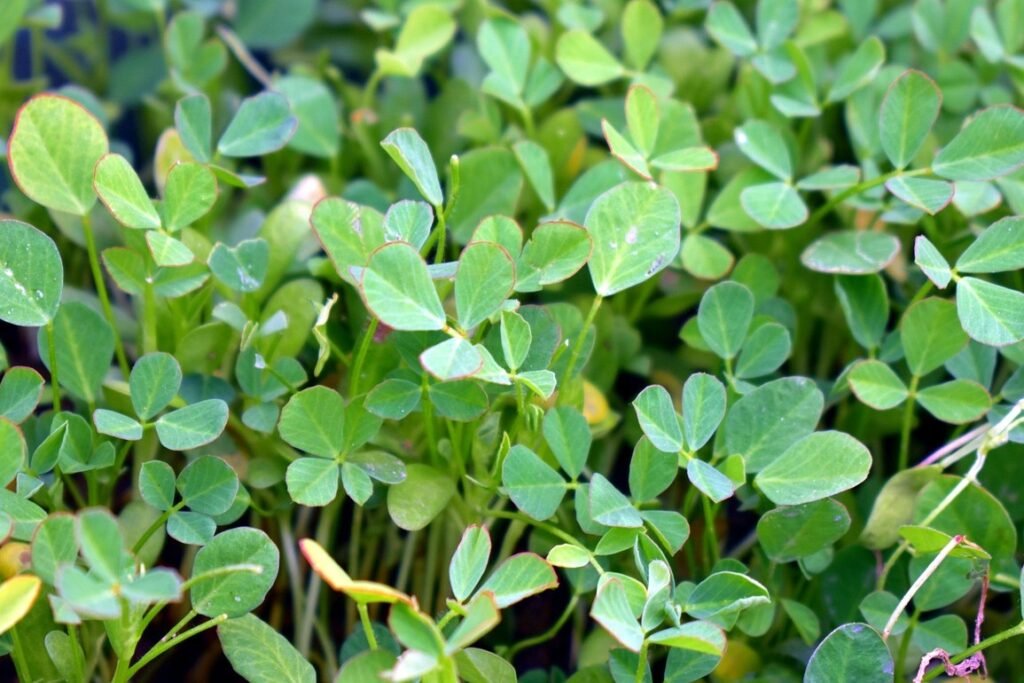
Leaves: Fenugreek leaves are trifoliate, meaning each leaf is made up of three smaller leaflets. They resemble clover leaves but are slightly longer and more pointed. These leaves are edible and commonly used as a leafy vegetable in many cuisines.
Flowers: The plant produces small, pale yellow to white flowers. These flowers are usually solitary or appear in pairs and grow close to the stem. While they may seem modest, they are essential for seed production.
Fruits: Fenugreek fruits are slender, elongated pods that can reach up to 15 centimeters in length. Each pod contains multiple seeds arranged in a row.
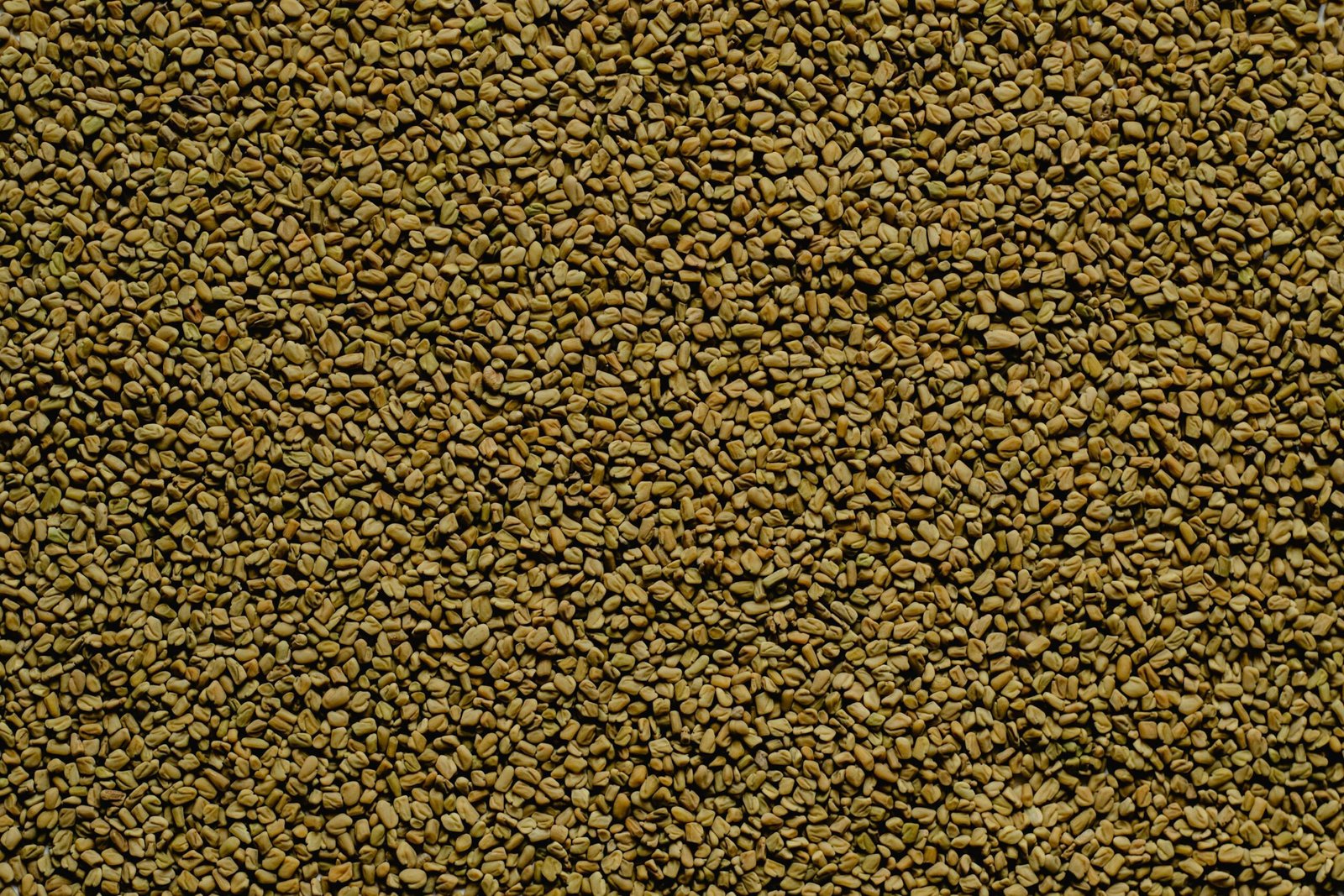
Seeds: The seeds are small, hard, and golden-brown. They have a strong aroma and a slightly bitter taste. When cooked, they develop a nutty, maple-like flavor that is highly prized in cooking.
Growing Instructions
Here’s everything you need to know to get fenugreek off to a great start:
Sunlight: Fenugreek thrives in full sun. Aim for at least 6 to 8 hours of direct sunlight each day. While it can tolerate partial shade, full sun will give you the best leaf and seed production.
Soil: This plant prefers well-drained soil with moderate fertility. It grows well in sandy or loamy soils, but it can adapt to poorer soils thanks to its nitrogen-fixing ability.
Temperature: Fenugreek prefers cool to warm temperatures, ideally between 10°C and 25°C. It grows best in spring or fall climates. High heat can reduce seed quality.
Watering: Keep the soil consistently moist but not waterlogged. Overwatering can lead to root rot, while drought stress can limit growth. A balanced watering schedule works best.
Spacing: Space plants about 10 to 15 centimeters apart. This allows enough airflow while still creating a dense, productive patch.
Pruning: Fenugreek doesn’t require heavy pruning. However, you can trim leaves regularly to encourage bushier growth and extend your harvest.
Support: This plant does not usually need support, as it grows upright and remains relatively compact.
Life Cycle: Fenugreek follows a typical life cycle consisting of:
- Germination: Seeds germinate quickly, often within 3 to 5 days under the right conditions.
- Vegetative Growth: The plant develops leaves rapidly, making it ideal for early harvesting as a leafy green.
- Flowering: Flowers appear within a few weeks, depending on climate conditions.
- Fruit Set: After pollination, pods begin to form and mature over time.
- End of Season: The plant dries out as seeds mature, signaling the right time for seed harvest.
Harvesting and Foraging
Harvesting
You can harvest fenugreek at different stages depending on how you plan to use it.
- For leaves: harvest young leaves within 2 to 4 weeks
- For seeds: wait until pods turn yellow and dry
Cut leaves with scissors to avoid damaging the plant. For seeds, allow pods to fully dry before collecting them.
Foraging
Fenugreek is rarely found growing wild in most regions, so foraging is less common. However, if you do encounter it, proper identification is essential. Always ensure the plant has the characteristic trifoliate leaves and long seed pods.
Plant Companions
Fenugreek works well as a companion plant due to its nitrogen-fixing ability. It can improve soil health for neighboring plants.
Good companions include:
However, avoid planting it too close to plants that require very dry conditions.
Common Pests and Diseases
Fenugreek is relatively hardy, but it can still face a few challenges.
Common pests include:
- Aphids
- Leaf miners
Diseases may include:
- Powdery mildew
- Root rot (usually from overwatering)
To manage these, maintain good airflow, avoid overwatering, and inspect plants regularly.
Shopping Tips
When buying fenugreek, you’ll usually find it in three forms:
- Seeds
- Dried leaves (often labeled as “kasuri methi”)
- Fresh leaves
Choose seeds that are uniform in color and free from moisture. For dried leaves, look for vibrant green color and a strong aroma.
Organic options are often a good choice if you plan to use fenugreek for health purposes.
Storage
Proper storage helps maintain flavor and potency.
- Store seeds in an airtight container in a cool, dark place
- Keep dried leaves away from moisture
- Fresh leaves should be refrigerated and used within a few days
When stored correctly, seeds can last up to a year or more.
Culinary Uses
Fenugreek is a culinary powerhouse, and once you start using it, you’ll notice how it transforms dishes.
First, the seeds offer a deep, slightly bitter flavor with sweet undertones. When toasted, they develop a warm, nutty taste that enhances curries, stews, and spice blends. However, you should use them carefully, as too much can overpower a dish.
In contrast, fenugreek leaves bring a milder, slightly earthy flavor. Fresh leaves work well in sautés, flatbreads, and vegetable dishes. Dried leaves, especially kasuri methi, are often crushed and sprinkled over dishes to add aroma and depth.
Fenugreek is widely used in:
- Indian curries and dals
- Spice blends like curry powder
- Pickles and chutneys
- Bread and flatbreads
Interestingly, fenugreek also appears in some artificial maple flavorings due to its natural aroma.
To get the best results, you can:
- Lightly toast seeds before grinding
- Soak seeds to reduce bitterness
- Combine leaves with other herbs for balance
Once you start experimenting, you’ll find fenugreek adds complexity and warmth to many dishes.
Health Benefits
Fenugreek has earned a strong reputation in traditional and modern herbal medicine.
One of its most well-known benefits is its effect on blood sugar levels. Studies suggest that fenugreek seeds may help improve insulin sensitivity and support glucose control.
In addition, fenugreek supports digestion. It contains soluble fiber, which can help regulate bowel movements and soothe the digestive tract.
It has also been used to:
- Support lactation in breastfeeding mothers
- Reduce inflammation
- Improve cholesterol levels
Fenugreek contains compounds such as saponins and flavonoids, which contribute to its health effects.
However, while these benefits are promising, you should always approach herbal remedies with balance. Fenugreek works best as part of a healthy lifestyle rather than a quick fix.
Toxicity and Safety
Fenugreek is generally safe when used in normal culinary amounts. However, there are a few precautions to keep in mind.
Large doses may cause:
- Digestive discomfort
- A maple-like odor in sweat and urine
Pregnant individuals should avoid high medicinal doses, as fenugreek may stimulate uterine contractions.
In addition, fenugreek can interact with certain medications, especially those related to blood sugar or blood thinning.
As always, moderation and awareness are key.
Environmental Impact
Fenugreek offers several environmental benefits, especially in sustainable agriculture.
Because it fixes nitrogen in the soil, it reduces the need for synthetic fertilizers. This makes it a valuable crop in eco-friendly farming systems.
It also grows relatively quickly and requires fewer inputs compared to many other crops.
In addition, fenugreek can help improve soil structure and support biodiversity when used in crop rotations.
As a result, it fits well into regenerative agriculture practices and home gardening alike.