
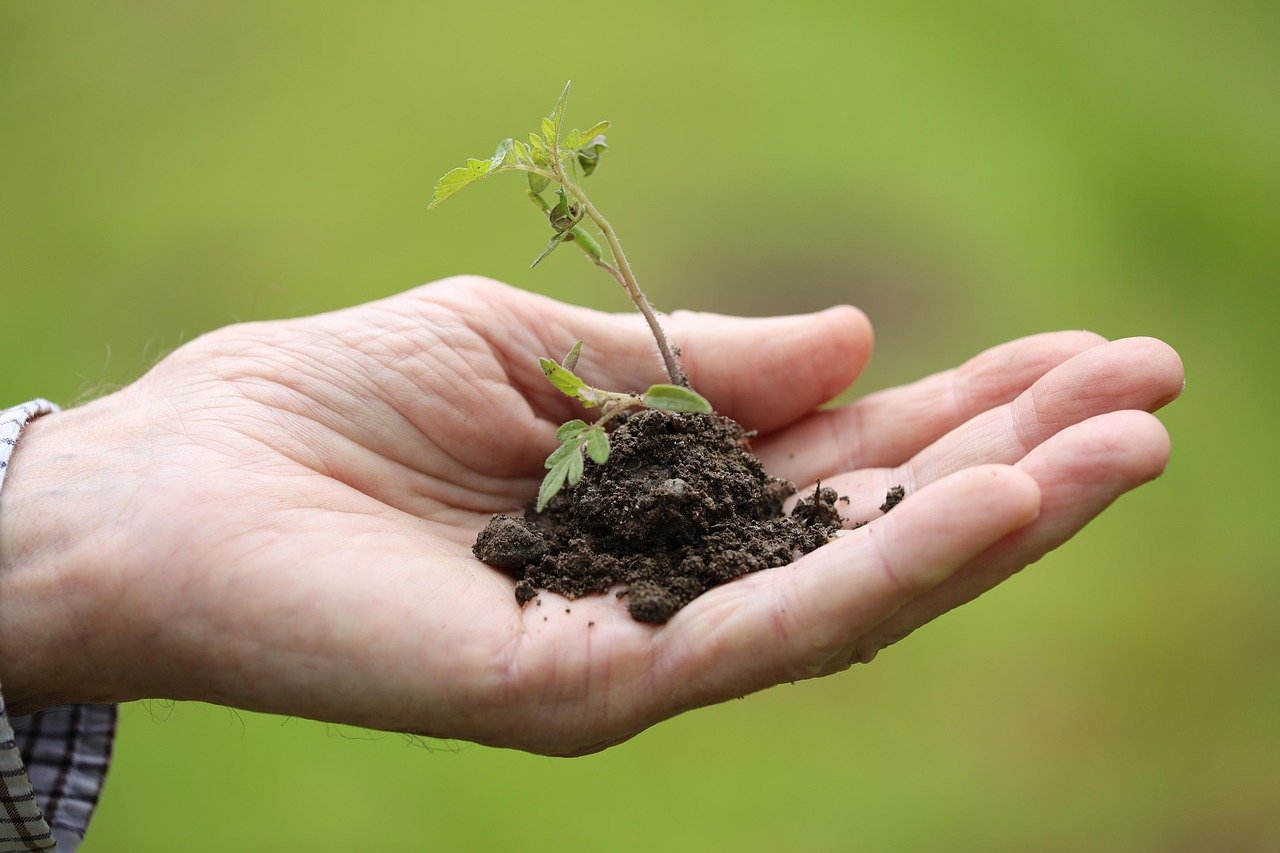
The article is about how you can teach yourself botany from scratch using a clear, step-by-step roadmap, while exploring different paths like pure botany, economic botany, ethnobotany, and marine botany.
“To study plants is to read the quiet language of the Earth—one leaf, one root, one ecosystem at a time.” — The Economic Botanist
| What you will learn: * How can I self-study botany at home as a beginner? * What is the best way to learn plant identification and taxonomy? * What are the main branches of botany (pure, economic, ethnobotany, marine)? * Can you become a botanist without a degree through self-study? |
You don’t need a lab coat, a university degree, or years of formal schooling to understand plants. In fact, you already have the most important tool: curiosity. Once you learn how to guide that curiosity, botany becomes one of the most accessible sciences you can study on your own.
At the same time, botany is not just about memorizing plant names. Instead, it teaches you how life works at a deeper level. You begin to see patterns in nature, understand ecosystems, and even connect plants to food, medicine, and culture. That’s why so many people turn to self study botany—not just as a hobby, but as a meaningful lifelong skill.
So in this guide, you’ll learn exactly how to build your own botany self study guide from the ground up. Along the way, you’ll explore core plant science, develop real-world skills, and choose a path that fits your interests. Whether you want to study plants at home or eventually pursue a botany career path, this roadmap will help you get there.
- What is Botany and Why Self-Study Works So Well
- Step-by-Step Roadmap to Self-Study Botany
- Pure Botany: The Science-Driven Path
- Economic Botany: Understanding the Uses of Plants
- Ethnobotany: Plants, Culture, and Tradition
- Marine Botany: Exploring Ocean Plant Life
- Best Resources to Learn Botany at Home
- How to Stay Consistent with Your Botany Learning Plan
- Common Mistakes to Avoid in Self Study Botany
- Can You Become a Botanist Through Self-Study?
- The Bottom Line
What is Botany and Why Self-Study Works So Well
Botany is the scientific study of plants, but that definition barely scratches the surface. In reality, botany includes everything from plant cells to entire ecosystems. It connects biology, chemistry, ecology, and even human culture.
Because of that, botany works especially well as an independent study. You don’t need expensive equipment to get started. Instead, you can learn by observing the plants around you, reading, and practicing identification skills.
Even better, when you study botany on your own, you can move at your own pace. You can focus on what interests you most, whether that’s plant biology basics or something more applied like economic uses of plants.
As a result, self-study becomes both flexible and deeply personal. You’re not just learning facts—you’re building a relationship with the natural world.
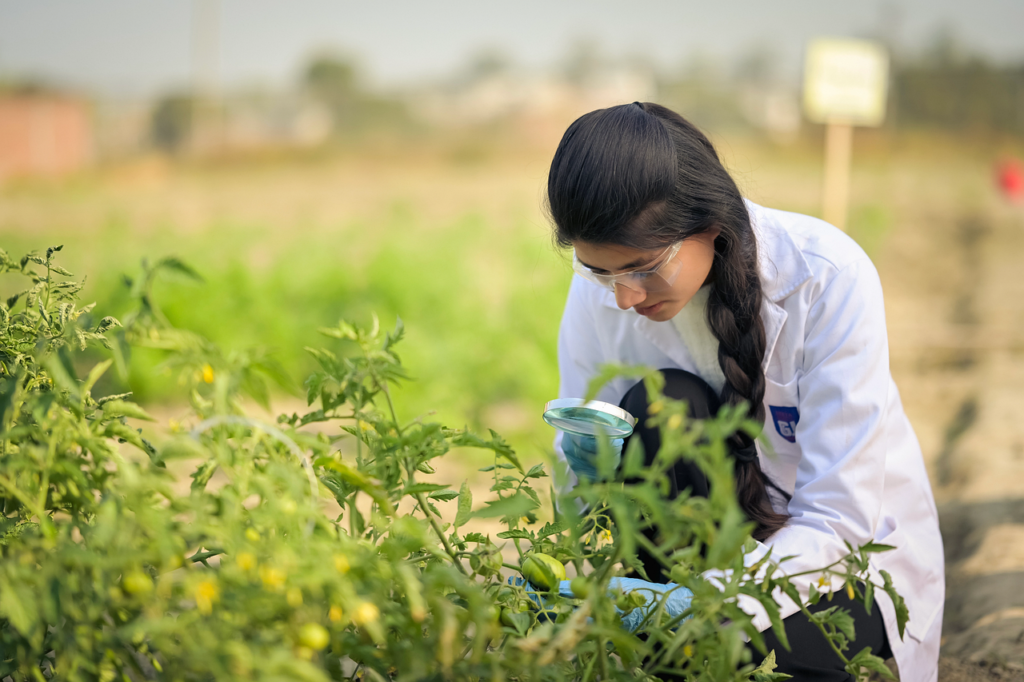
Step-by-Step Roadmap to Self-Study Botany
Step 1 – Build Strong Foundations in Plant Biology Basics
First, you need to understand how plants actually work. Without this base, everything else feels confusing.
Start with the core ideas of plant biology basics:
- Plant cells and how they differ from animal cells
- Photosynthesis and energy production
- Plant anatomy: roots, stems, leaves, and flowers
At this stage, don’t worry about memorizing everything. Instead, focus on understanding the big picture. For example, when you learn about photosynthesis, try to connect it to real plants you see every day.
You can use beginner-friendly botany books or free plant science courses online. Many platforms offer excellent introductions to plant science that are perfect for beginners.
Fun Fact
Plants can “communicate” with each other through chemical signals released into the air or soil. Scientists are still uncovering how complex these systems are.
As you move forward, this foundation will make every other topic easier to understand.
Step 2 – Learn Plant Taxonomy and Identification Skills
Next, you’ll want to learn how to recognize and name plants. This is where botany starts to feel real.
Plant taxonomy basics teach you how scientists classify plants. While the terminology might seem overwhelming at first, you don’t need to master it all at once.
Instead, begin with simple plant identification skills:
- Look at leaf shape and arrangement
- Observe flower structure
- Notice growth patterns
At the same time, use field guides or plant identification apps to help you. When you combine observation with tools, your learning speeds up quickly.
Over time, you’ll notice patterns. For example, certain plant families share similar features. Once you recognize those patterns, identifying plants becomes much easier.
Step 3 – Understand Plant Ecology and Ecosystems
After that, it’s time to zoom out and see how plants interact with the world around them.
Plant ecology basics help you understand:
- How plants adapt to their environment
- How ecosystems function
- Why biodiversity matters
Instead of just studying plants in isolation, you start to see connections. For instance, a single plant species might support insects, animals, and even soil health.
To deepen your learning, spend time outdoors. Even if you live in a city, you can still study plants at home or in local parks.
Fun Fact
About 80% of the oxygen we breathe comes from marine plants like algae, not trees.
As a result, ecology brings your botany knowledge to life.
Step 4 – Develop Field Botany Techniques
At this point, you should begin practicing like a real botanist.
Field botany techniques include:
- Keeping a plant journal
- Sketching or photographing plants
- Recording observations over time
For example, you might track how a plant changes through the seasons. This builds both observation skills and scientific thinking.
In addition, try to learn ethical plant collection. Never take rare plants, and always respect local ecosystems.
The more you practice, the more confident you’ll become. Eventually, you’ll start noticing details that most people miss.
Step 5 – Choose a Focus: Your Botany Specialization
Once you’ve built a strong base, you can choose a direction. This is where your botany learning plan becomes more personal.
Different branches of botany offer different experiences. So let’s explore four powerful paths you can follow.
Pure Botany: The Science-Driven Path
If you enjoy science for its own sake, pure botany might be the right fit.
This path focuses on:
- Plant physiology
- Genetics
- Cellular processes
Here, you dive deeper into how plants function at a microscopic level. You might read scientific papers or follow structured botany curriculum self study plans.
Although this path can feel more academic, it builds a strong foundation for research or advanced study.
At the same time, even hobbyists can enjoy pure botany. If you like understanding “why” things work, this path will keep you engaged.
Economic Botany: Understanding the Uses of Plants
On the other hand, economic botany connects plants to everyday life.
This field explores:
- Agriculture and crops
- Medicinal plants
- Industrial plant uses
When you study economic botany examples, you begin to see how deeply plants shape human society. Food, clothing, medicine—all of it comes back to plants.
You can take a hands-on approach here. For instance, you might study common crops or explore the economic uses of plants in your region.
As a result, this path feels practical and immediately useful.
Ethnobotany: Plants, Culture, and Tradition
If you’re interested in culture and history, ethnobotany offers a unique perspective.
Ethnobotany explained simply is the study of how people use and understand plants in different cultures.
This includes:
- Herbal medicine
- Traditional plant knowledge
- Indigenous practices
However, it’s important to approach this field with respect. Many traditions carry deep cultural meaning.
You can learn through case studies, books, and interviews. Over time, you’ll see how plants connect science with human experience.
In many ways, ethnobotany feels like storytelling through plants.
Marine Botany: Exploring Ocean Plant Life
Finally, marine botany opens the door to a completely different world.
This field focuses on:
- Algae and seaweed
- Seagrasses
- Marine ecosystems
Unlike land plants, marine plants live in dynamic environments. They deal with tides, saltwater, and changing light conditions.
Even if you don’t live near the ocean, you can still study marine plant ecosystems through online resources.
When you explore algae and seagrass study topics, you’ll discover how vital these organisms are to life on Earth.
Best Resources to Learn Botany at Home
Now that you understand the path, let’s talk about tools.
To study botany online effectively, you should mix different types of resources:
- Beginner-friendly books
- Free online lectures
- Plant identification apps
- Documentaries and videos
At the same time, don’t rely only on theory. You need to combine learning with observation.
Many learners make the mistake of collecting too many resources. Instead, pick a few high-quality ones and stick with them.
That way, your botany resources free or paid actually lead to progress.
How to Stay Consistent with Your Botany Learning Plan
Consistency matters more than intensity.
Rather than studying for hours once a week, aim for shorter, regular sessions. For example, you might spend 20–30 minutes a day observing plants or reviewing notes.
In addition, set small goals. You could aim to identify five new plants each week or complete one chapter of a book.
You can also join online communities. When you connect with others, learning becomes more enjoyable.
Most importantly, keep your curiosity alive. That’s what drives long-term success.
Common Mistakes to Avoid in Self Study Botany
Even with a solid plan, mistakes can slow you down.
First, many beginners try to learn everything at once. However, botany is a broad field. Focus on one step at a time.
Second, some people skip hands-on practice. Reading helps, but observation builds real skill.
Third, ignoring plant taxonomy basics can make identification harder later on.
Finally, don’t delay choosing a focus forever. While exploration is important, specialization helps you go deeper.
Can You Become a Botanist Through Self-Study?
This is a common question, and the answer is yes—with some nuance.
You can absolutely build strong skills through independent study botany. Many experts started as self-taught learners.
However, if you want a formal botany career path, you may eventually need certifications or degrees.
That said, self-study still gives you a huge advantage. You can build a portfolio, develop expertise, and even contribute to citizen science projects.
So even if your goal is professional, starting on your own is a smart move.
The Bottom Line
Learning botany on your own is not only possible—it’s deeply rewarding. When you follow a clear roadmap, you move from basic plant biology to real-world understanding step by step.
At first, you build your foundation. Then, you develop identification and ecology skills. Finally, you choose a specialization that matches your interests.
Along the way, you gain more than knowledge. You develop a new way of seeing the world. Plants stop being background scenery and become living systems full of meaning.
So whether you’re exploring economic botany, diving into ethnobotany, or studying marine plant ecosystems, the journey always starts the same way: with curiosity and consistent effort.
Start today by stepping outside, observing one plant closely, and writing down what you notice. That single habit can change the way you learn forever.