









The article is about how Easter plants and flowers became powerful symbols of renewal, faith, and spring traditions, and what they mean for you today.
“When we look closely at Easter plants, we don’t just see flowers—we see stories of renewal written in petals and leaves.” – The Economic Botanist
| What you will learn: * What plants are associated with Easter traditions? * What is the meaning and symbolism of Easter plants and flowers? * Why are lilies, palm branches, and spring flowers used during Easter? * How can you use Easter plants in your home and garden for decoration or gifts? |
Easter arrives at a time when the world feels like it’s waking up again. The snow melts, the days grow longer, and suddenly, life begins to return to gardens, fields, and forests. Because of this, plants naturally became part of Easter traditions. They don’t just decorate homes and churches—they tell a story.
As you explore Easter plants, you’ll notice that each one carries meaning. Some symbolize resurrection and hope, while others reflect peace, forgiveness, or new beginnings. Over time, cultures and religious traditions shaped these meanings, and today, we still use many of the same flowers and plants to celebrate the season.
So, let’s walk through the plants behind Easter traditions and uncover what they really represent—and how you can bring that meaning into your own home.
- Why Easter Plants Symbolize Renewal and Rebirth
- Easter Lily Meaning: The Flower of Resurrection
- Palm Sunday Plants: The Meaning of Palm Branches
- Daffodils and Easter: A Sign of New Beginnings
- Tulips and Easter Symbolism: Love and Renewal
- Hyacinths: Fragrance, Sorrow, and Forgiveness
- Biblical and Historical Roots of Easter Plants
- Easter Floral Traditions Around the World
- How to Use Easter Plants in Your Home and Garden
- Easter Plant Care Tips to Make Them Last Longer
- Choosing the Best Easter Plants for Gifts
- The Deeper Meaning of Easter Plants Today
- The Bottom Line
Why Easter Plants Symbolize Renewal and Rebirth
To begin with, Easter and spring are closely connected. Easter follows the lunar calendar and lands near the spring equinox. At the same time, plants begin to grow again after winter dormancy. Because of this natural cycle, people began linking plants with deeper spiritual ideas.
In Christianity, Easter celebrates resurrection. Similarly, in nature, plants “come back to life” after winter. So, it makes sense that flowers became symbols of rebirth, hope, and renewal.
Moreover, many early traditions used plants in rituals long before modern Easter celebrations existed. Over time, these customs blended with religious meaning. As a result, what you see today—Easter lilies, palm branches, and spring flowers—comes from both nature and history.
Easter Lily Meaning: The Flower of Resurrection
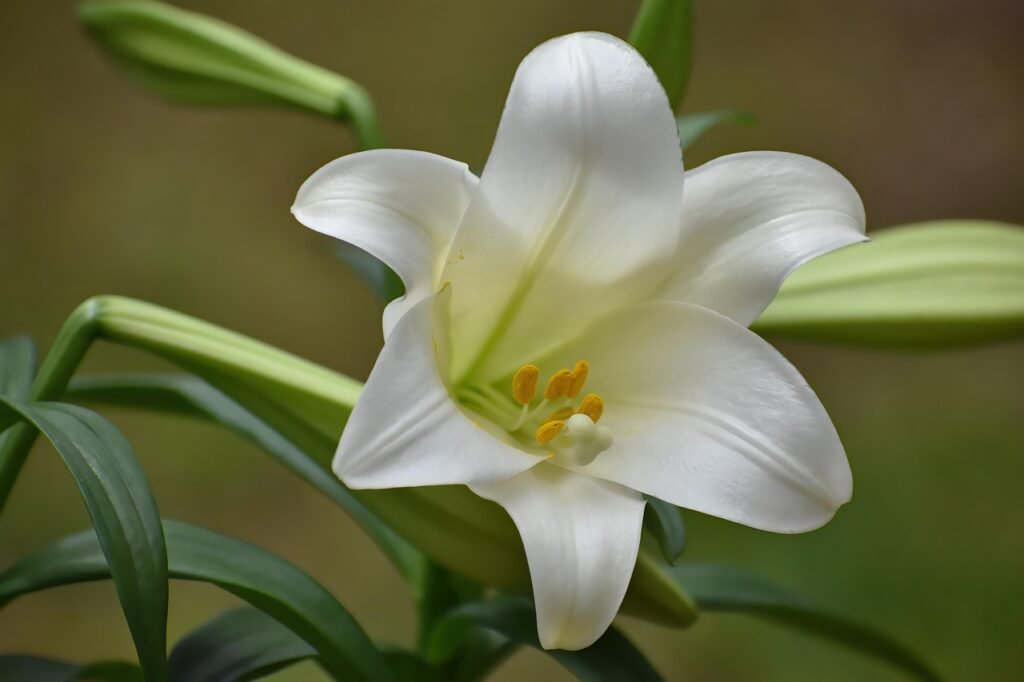
When you think of Easter plants, the Easter lily likely comes to mind first. Its large white blooms and soft fragrance make it a standout in churches and homes.
The Easter lily represents purity, hope, and resurrection. Its white color reflects innocence, while its trumpet shape symbolizes a call to new life. Because of this, churches often place lilies around altars during Easter services.
Interestingly, the plant’s life cycle also adds to its symbolism. The bulb stays hidden underground before blooming into a striking flower. In many ways, this mirrors the idea of resurrection.
If you bring an Easter lily into your home, place it in bright, indirect light and keep the soil slightly moist. With proper care, it can last well beyond the holiday.
Fun Fact
Easter lilies are not originally from Europe—they were brought from Japan to North America in the early 1900s and became widely popular after World War I.
Palm Sunday Plants: The Meaning of Palm Branches

Before Easter Sunday, many people celebrate Palm Sunday. This day marks a key moment in Christian tradition when palm branches were laid down to honor Jesus.
Palm branches symbolize victory, peace, and eternal life. At the time, they represented triumph and respect. Today, many churches still hand out palm leaves during services.
Afterward, some people keep these palms in their homes as a reminder of faith and renewal. In some traditions, churches even burn dried palms from the previous year to create ashes for Ash Wednesday.
Because of this, palm branches connect different parts of the Easter season in a meaningful way.
Daffodils and Easter: A Sign of New Beginnings
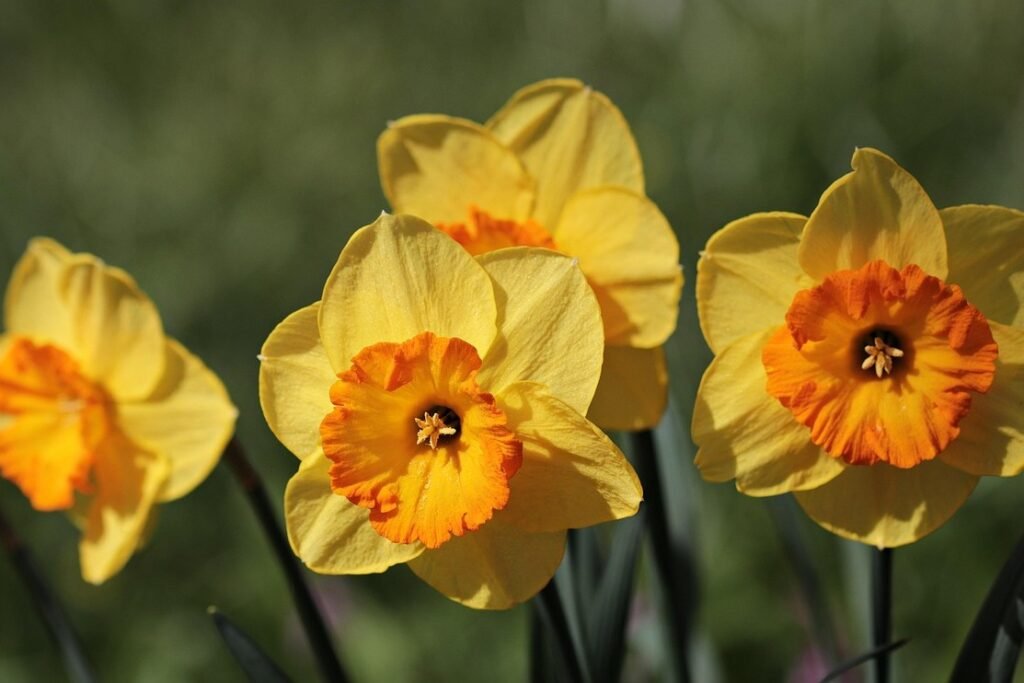
Daffodils often bloom right around Easter, which makes them a natural symbol of the season. Their bright yellow color stands out after a long winter, and they often signal that spring has truly arrived.
These flowers represent new beginnings and renewal. Since they are among the first plants to bloom, they remind you that growth and change are possible—even after difficult seasons.
In gardens, daffodils are easy to grow and return year after year. So, if you want a lasting symbol of Easter, they are a great choice.
Tulips and Easter Symbolism: Love and Renewal
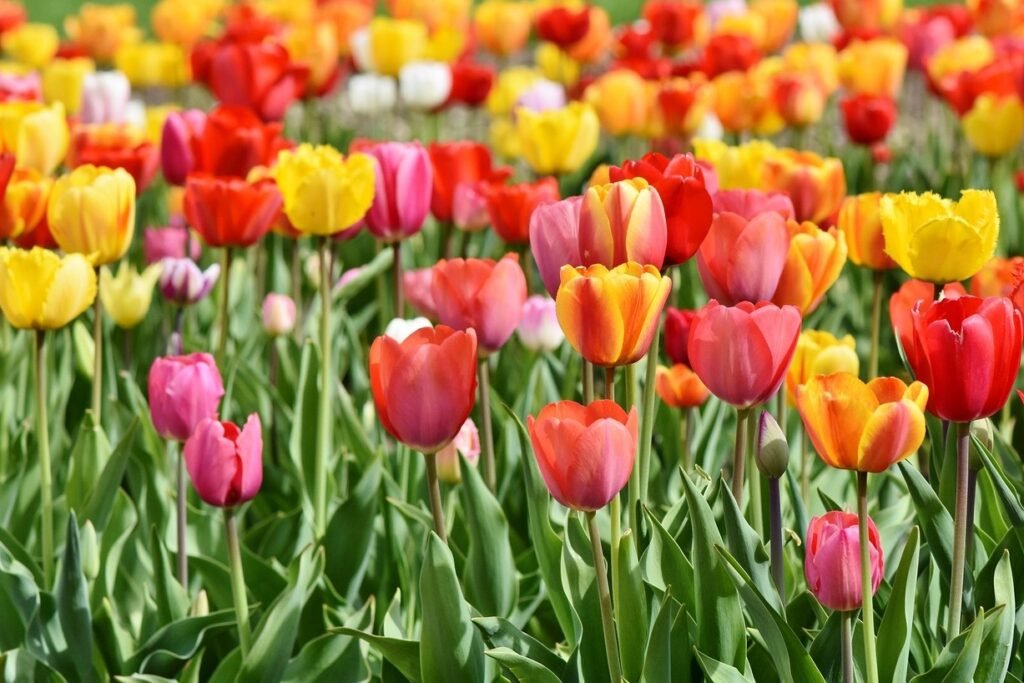
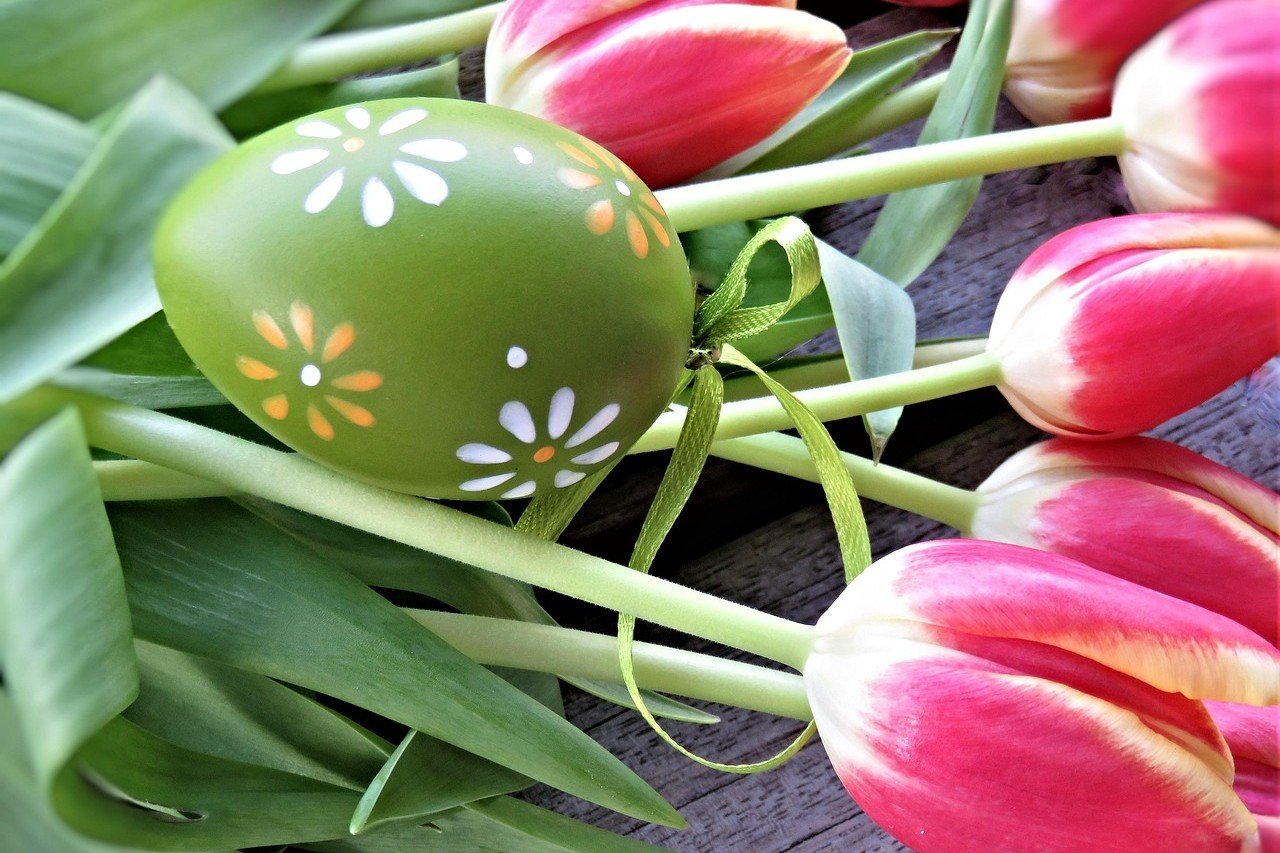
Tulips are another popular Easter flower, especially in spring arrangements. Their simple shape and wide range of colors make them easy to use in décor.
Generally, tulips symbolize perfect love and renewal. However, different colors can carry slightly different meanings. For example, red tulips often represent deep love, while white tulips can symbolize forgiveness.
Because of their strong stems and bold colors, tulips add life to any Easter setting. You can use them in centerpieces or give them as gifts to share the spirit of the season.
Hyacinths: Fragrance, Sorrow, and Forgiveness
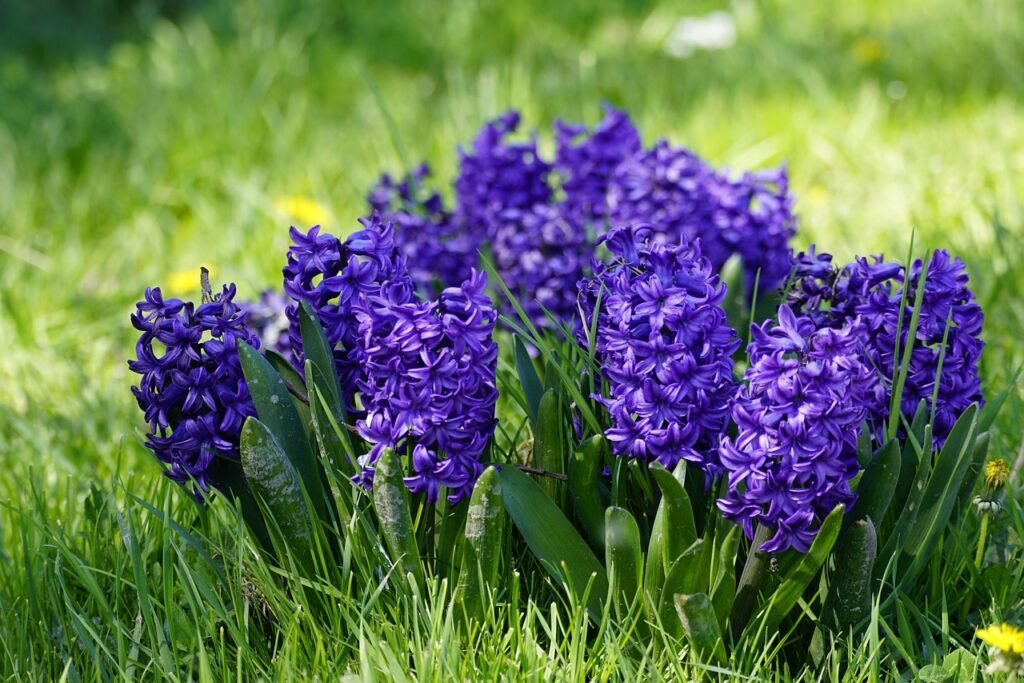
Hyacinths bring a rich fragrance to spring gardens and indoor spaces. Their clusters of small flowers create a full, textured look that many people love.
Symbolically, hyacinths connect to both sorrow and forgiveness. This makes them especially meaningful during Easter, which reflects both sacrifice and renewal.
In addition, their early bloom time ties them closely to the themes of transition and change. When you include hyacinths in your Easter décor, you add both beauty and depth of meaning.
Biblical and Historical Roots of Easter Plants
To understand Easter plants fully, it helps to look at their origins. Many of these plants appear in or connect to biblical stories and ancient traditions.
For example, palm branches played a role in important events long before modern celebrations. Similarly, flowers have always been part of religious ceremonies across cultures.
Over time, these elements blended together. As Christianity spread, local traditions influenced how people celebrated Easter. Therefore, different regions developed their own plant-based customs while keeping shared symbolic meanings.
Fun Fact
In medieval Europe, churches decorated with fresh flowers during Easter to represent paradise and new life after winter.
Easter Floral Traditions Around the World
Although Easter traditions vary, many cultures use similar plants to express the same ideas.
In Europe, people often decorate with lilies, tulips, and flowering branches. In North America, Easter lilies dominate church displays, while families use a mix of spring flowers at home.
Meanwhile, in Orthodox traditions, flowers still play an important role, but timing may differ due to calendar variations. Even so, the core idea remains the same—plants represent life, renewal, and hope.
Because of this shared symbolism, Easter plants create a universal language that connects people across cultures.
How to Use Easter Plants in Your Home and Garden
If you want to bring Easter traditions into your daily life, plants offer an easy and meaningful way to do it.
Start with simple arrangements. For example, you can combine tulips, daffodils, and hyacinths in a vase for a bright spring display. Alternatively, you can place an Easter lily in a central spot to highlight its symbolism.
In your garden, consider planting bulbs in the fall so they bloom in spring. This way, you create a natural cycle that matches the meaning of Easter.
Additionally, you can give plants as gifts. Unlike cut flowers, potted plants last longer and continue to grow. This makes them a powerful symbol of lasting renewal.
Easter Plant Care Tips to Make Them Last Longer
Once you bring Easter plants home, proper care helps them thrive.
First, pay attention to light. Most spring flowers prefer bright, indirect sunlight. Next, water them regularly, but avoid overwatering. Too much moisture can damage roots.
Temperature also matters. Keep plants away from extreme heat or cold, as sudden changes can shorten their lifespan.
For outdoor planting, choose a location with good drainage and appropriate sunlight. Over time, many bulbs will multiply, giving you even more blooms in future seasons.
Choosing the Best Easter Plants for Gifts
When selecting Easter plants as gifts, think about both meaning and practicality.
Easter lilies work well for traditional symbolism. Meanwhile, tulips and daffodils offer cheerful colors and easy care. Hyacinths add fragrance, which many people appreciate.
Also, consider the recipient’s space. If they have a garden, bulbs make a great long-term gift. If not, potted plants are a better option.
By choosing thoughtfully, you give more than just a plant—you give a message of hope and renewal.
The Deeper Meaning of Easter Plants Today
Today, Easter plants still carry the same core meanings, even as traditions evolve. While some people focus on decoration, others connect more deeply with the symbolism.
Either way, these plants remind you of something important: life moves in cycles. Just as plants grow, rest, and bloom again, people also experience change and renewal.
Because of this, Easter plants remain relevant. They offer a simple but powerful way to reflect on growth, hope, and new beginnings.
The Bottom Line
Easter plants are more than just seasonal decorations. They connect nature, tradition, and meaning in a way that feels both simple and profound. From the purity of the Easter lily to the bright promise of daffodils, each plant tells a story.
As you celebrate Easter, consider how these plants can add depth to your experience. Whether you decorate your home, plant a garden, or give a meaningful gift, you take part in a tradition that has lasted for generations.
Bring the meaning of Easter into your home this year by choosing plants that symbolize renewal, hope, and new beginnings—and let them grow with you.