
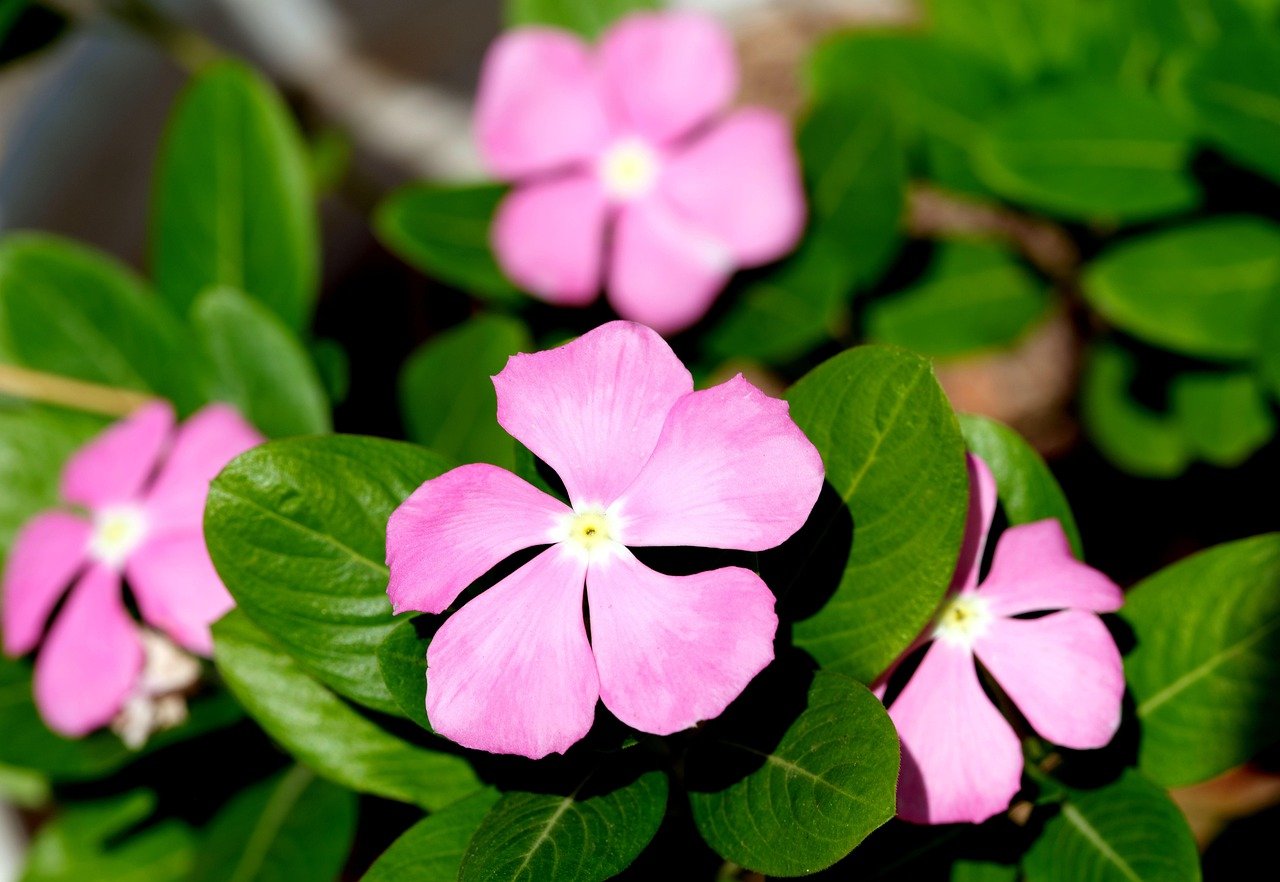
Periwinkle is one of those plants that quietly earns a place in gardens all over the world. You may have seen it spilling over stone walls, filling shady corners, or forming a lush green carpet beneath trees. With its glossy leaves and charming blue-purple flowers, periwinkle manages to look delicate while being surprisingly tough.
Popularly known as Madagascar periwinkle , this plant is famous for its ability to grow where many other plants struggle. Gardeners love it as a groundcover, herbalists have studied it for its medicinal compounds, and historians trace its presence in European gardens back centuries. In short, this is a plant with a fascinating story and many practical uses.
If you enjoy growing useful plants—or simply want to understand the ones already in your garden—periwinkle is worth getting to know. In this guide, we’ll explore its history, how to grow it, how it has been used in food and traditional medicine, and why it plays an interesting role in economic botany.
History of Periwinkle
Periwinkle has been part of human culture for a very long time. Native to parts of Europe, western Asia, and North Africa, the plant spread across continents through trade, gardening traditions, and herbal medicine.
In ancient Europe, periwinkle carried symbolic meaning. Medieval herbalists often called it “sorcerer’s violet” or “witch’s violet.” People believed the plant had protective qualities and sometimes used it in charms meant to ward off evil spirits. Garlands of periwinkle were even placed on homes and livestock for protection.
But periwinkle’s story is not only about folklore. It also has deep roots in traditional herbal medicine. Historical herbal texts describe periwinkle being used for issues such as bleeding, inflammation, and memory problems. While many of these uses were based on observation rather than modern clinical research, scientists later discovered that the plant does indeed contain powerful alkaloids.
By the 18th and 19th centuries, periwinkle had become a popular ornamental plant in European gardens. Its ability to thrive in shade and suppress weeds made it extremely useful in landscape design.
Later, during the 20th century, periwinkle became famous in medical research. Scientists discovered compounds in the plant that led to important chemotherapy drugs used to treat certain cancers. While the common garden periwinkle (Vinca minor and Vinca major) is not the same species, this discovery increased interest in the medicinal potential of the entire group.
Today, periwinkle is found around the world. It grows in gardens, parks, forests, and sometimes even in places where it was never intentionally planted.
Botanical Description
Scientific name: Catharanthus roseus (L.) G. Don
Family: Apocynaceae
Periwinkle is a low-growing evergreen plant known for its creeping habit and attractive flowers.
Here’s what to look for if you want to identify this plant.
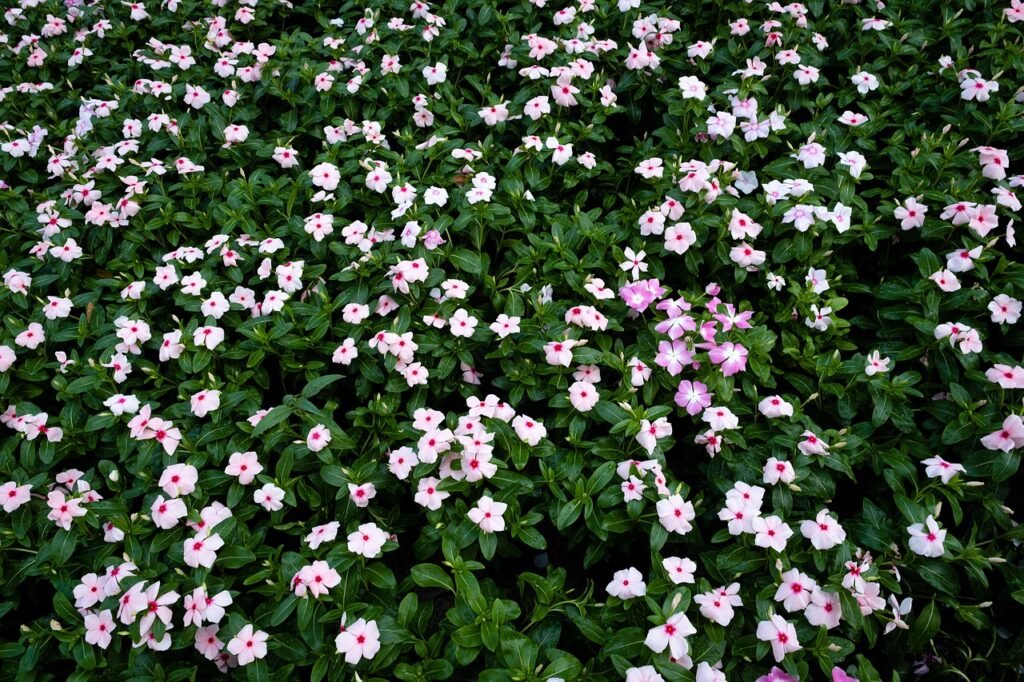
Roots: Periwinkle develops a shallow but spreading root system. Roots form at nodes along the creeping stems. When stems touch the soil, they often produce new roots. This rooting habit allows periwinkle to spread quickly and form dense groundcover. Because of this growth pattern, a single plant can eventually cover several square feet of ground.
Stems: Periwinkle stems are flexible and trailing. Stems creep along the soil surface. They can reach 1–2 feet long or more. Nodes along the stem frequently root when they touch soil. The stems help create the plant’s characteristic mat-like growth pattern.
Leaves: Periwinkle leaves are one of its most recognizable features. Their shape is oval to lance-shaped; the texture is smooth and slightly leathery; color is glossy dark green and they are arranged in an opposite way along the stems. These evergreen leaves remain on the plant throughout winter in many climates, which is one reason gardeners value periwinkle as a year-round groundcover.
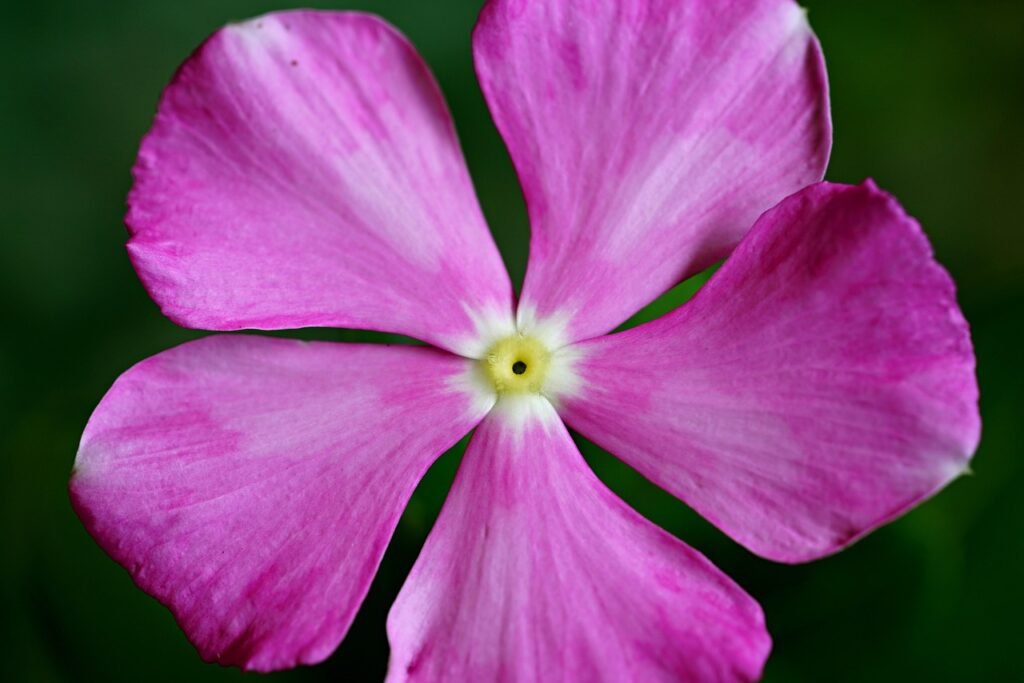
Flowers: Periwinkle flowers are small but very charming. Typically, they have five petals in a star or pinwheel shape and are usually blue-purple in color. However, cultivated varieties may produce lavender flowers, pale blue flowers, or white flowers. Flowers appear mainly in spring, although some plants continue blooming sporadically through summer.
Fruits: The fruit of periwinkle is not very noticeable. They are usually a pair of slender pods (follicles). Pods develop after successful pollination and they eventually split open when mature. In many garden settings, fruit production is relatively uncommon.
Seeds: Periwinkle seeds are small and brown and produced inside the pods. They are dispersed naturally when the pods split. In practice, most periwinkle spreads vegetatively rather than by seed.
Growing Instructions
Periwinkle is often described as one of the easiest plants you can grow. It adapts to a wide range of conditions and is especially useful in difficult garden spots.
Here’s everything you need to know to get periwinkle off to a great start:
Sunlight: Periwinkle grows best in partial shade to full shade. It is ideal for woodland gardens and works well beneath trees. It tolerates some sun in cooler climates. Too much direct sunlight in hot regions may cause leaf scorch.
Soil: Periwinkle prefers well-drained soil, but it is not very picky. It grows well in sandy soil, loamy soil or slightly clay soils. A slightly acidic to neutral pH is ideal, though the plant tolerates a wide range of conditions.
Temperature: Periwinkle is hardy in many temperate climates. It tolerates frost reasonably well once established.
Watering: Young plants appreciate consistent moisture. Once established, periwinkle becomes fairly drought tolerant. General watering tips: (a) water regularly during the first growing season; (b) after establishment, water only during prolonged dry periods; and (c) avoid overly wet soil.
Spacing: Periwinkle spreads quickly, so spacing is important. Space plants about 12–18 inches apart. They will gradually grow together to form a dense mat. If planted too closely, airflow may be reduced, increasing the risk of disease.
Pruning: Periwinkle requires very little pruning. However, occasional trimming helps control its spread, maintain a neat appearance and encourage fresh growth. Many gardeners simply trim the edges of patches once or twice per year.
Support: Periwinkle does not require support. Its natural creeping habit allows it to grow along the ground or spill gracefully over edges.
Life Cycle: Periwinkle follows a typical life cycle consisting of:
- Germination: Seeds germinate in moist soil during spring, although this is less common in cultivated settings.
- Vegetative Growth: Plants spread through creeping stems that root at nodes. This phase allows rapid expansion across garden beds.
- Flowering; Most flowering occurs in spring. Flowers attract pollinators such as bees.
- Fruit Set: If pollination occurs, seed pods form. These later split open to release seeds.
Harvesting and Foraging
Harvesting
If you plan to harvest periwinkle for herbal use, timing matters.
Leaves and flowering tops are typically harvested during the flowering season, when the plant contains the highest concentration of certain compounds.
To harvest:
- Use clean scissors or pruning shears.
- Cut healthy stems with leaves and flowers.
- Avoid removing more than one-third of the plant.
Harvesting in the morning, after dew has dried but before the heat of the day, helps preserve plant quality.
Dry the material quickly in a warm, well-ventilated area if you plan to store it for herbal use.
Foraging
Periwinkle is often found growing wild or naturalized.
You may encounter it in:
- forest edges
- abandoned gardens
- parks
- shaded roadsides
When foraging, keep these guidelines in mind:
- Make sure you correctly identify the plant.
- Avoid harvesting near roads or polluted areas.
- Harvest responsibly so the plant population remains healthy.
Also remember that periwinkle spreads aggressively in some regions. Responsible harvesting can actually help control its spread.
Plant Companions
Periwinkle pairs well with many shade-loving plants.
Good companions include:
- Hostas
- Ferns
- Bleeding heart
- Lungwort
- Woodland phlox
These plants enjoy similar growing conditions and create beautiful layered garden designs.
Periwinkle is especially useful as a living mulch beneath taller plants because it suppresses weeds and helps retain soil moisture.
Common Pests and Diseases
Periwinkle is generally resistant to many garden problems, which is one reason it is so widely planted.
However, a few issues can appear.
Common pests:
- aphids
- spider mites
- scale insects
These pests rarely cause severe damage but may require treatment if populations grow large.
Common diseases:
- leaf spot
- stem blight
- root rot in poorly drained soil
Good air circulation and proper spacing usually prevent most problems.
Shopping Tips
When purchasing periwinkle plants, quality matters.
Look for plants with:
- healthy green leaves
- compact growth
- no signs of yellowing or disease
Avoid plants that appear wilted or have brown leaf spots.
Periwinkle is usually sold as:
- nursery pots
- groundcover flats
- rooted cuttings
Garden centers often offer several varieties with different flower colors.
Storage
Fresh periwinkle leaves are best used soon after harvest.
If storing:
- Keep fresh leaves in the refrigerator for short-term use.
- Dry leaves in a cool, dark location for herbal preparations.
- Store dried plant material in airtight containers.
Properly dried leaves can remain usable for several months.
Culinary Uses
Periwinkle is not widely used as a culinary herb, and this is important to understand before experimenting with it in the kitchen.
In fact, most modern sources consider periwinkle unsuitable for regular consumption because of the powerful alkaloids present in the plant. However, historically, very small amounts were sometimes used in traditional herbal preparations.
That said, periwinkle has occasionally appeared in culinary traditions in extremely limited ways.
Historical Herbal Infusions
In some European folk traditions, small quantities of periwinkle leaves were used to make herbal infusions.
These preparations were typically:
- mild teas
- diluted herbal tonics
- mixed with other herbs
The flavor of periwinkle is often described as:
- slightly bitter
- mildly astringent
- earthy
Because of its bitterness, it was rarely consumed on its own.
Traditional Herbal Wine Preparations
Some historical herbalists prepared periwinkle by steeping it in wine. These preparations were believed to help digestion or circulation.
The wine helped extract the plant’s active compounds while also masking its bitter taste.
However, these practices belong mostly to historical herbal traditions rather than modern culinary use.
Why Periwinkle Is Rarely Used in Food Today
Today, periwinkle is almost never used as a food ingredient.
There are several reasons:
- The plant contains biologically active alkaloids.
- Dosage matters significantly.
- Some compounds can be harmful if consumed improperly.
For this reason, modern herbalists and food experts usually recommend enjoying periwinkle primarily as an ornamental plant rather than a culinary ingredient.
In other words, it is a fascinating plant—but not one that belongs regularly on your dinner plate.
Health Benefits
Periwinkle has attracted scientific interest because of the complex chemical compounds found in its tissues.
These compounds belong mainly to a group called indole alkaloids, which can have strong effects on the human body.
It’s important to note that many of the most significant medical discoveries associated with periwinkle come from related species rather than the common garden periwinkle itself. Still, the genus has played an important role in pharmaceutical research.
Circulatory Support
Some traditional herbal systems used periwinkle to support circulation.
Historically it was used for:
- improving blood flow
- addressing minor bleeding
- supporting vascular health
The plant’s astringent properties may have contributed to these traditional uses.
Cognitive Support
Certain compounds found in periwinkle species have been studied for their potential effects on brain function.
One compound, vincamine, has been investigated for its possible ability to:
- increase cerebral blood flow
- support memory and cognition
- improve oxygen use in brain tissue
These effects have made periwinkle extracts a subject of interest in neurological research.
Anti-Inflammatory Properties
Traditional herbalists also used periwinkle to help soothe inflammation.
Preparations made from the leaves were sometimes applied externally to:
- minor wounds
- skin irritation
- insect bites
Modern research suggests some plant compounds may have anti-inflammatory activity, although more studies are needed.
Anticancer Research
Perhaps the most famous medical discovery related to periwinkle involves a relative of the plant.
Researchers studying Madagascar periwinkle discovered compounds that led to important chemotherapy drugs such as vincristine and vinblastine. These medicines are used to treat certain cancers, including leukemia and lymphoma.
This discovery is often cited as one of the most remarkable examples of plants contributing to modern medicine.
It also highlights why preserving plant biodiversity matters. A humble garden plant may hold compounds with enormous medical potential.
Toxicity and Safety
Periwinkle contains biologically active compounds that require caution.
Important safety points include:
- The plant contains alkaloids that can affect the body.
- Consuming large amounts may cause adverse effects.
- It should not be used casually as a food ingredient.
Symptoms of excessive ingestion may include:
- digestive upset
- low blood pressure
- neurological effects
Pets and livestock may also experience toxicity if they consume significant amounts.
For this reason, periwinkle is generally considered an ornamental and medicinal research plant rather than a culinary herb.
If you are exploring herbal medicine, always consult qualified professionals before using plants therapeutically.
Environmental Impact
Periwinkle’s ability to spread quickly makes it both useful and potentially problematic.
In gardens, this spreading habit is beneficial because the plant:
- suppresses weeds
- stabilizes soil
- reduces erosion
- provides evergreen groundcover
However, in some regions periwinkle has escaped cultivation and become invasive.
Dense mats of periwinkle can:
- outcompete native plants
- reduce biodiversity
- alter forest floor ecosystems
Because of this, some environmental organizations discourage planting periwinkle near natural forests.
Gardeners can help reduce environmental impact by:
- planting responsibly
- controlling spread with edging or barriers
- removing unwanted growth
Like many plants, periwinkle is neither purely good nor purely harmful. Its impact depends largely on how and where it is grown.