

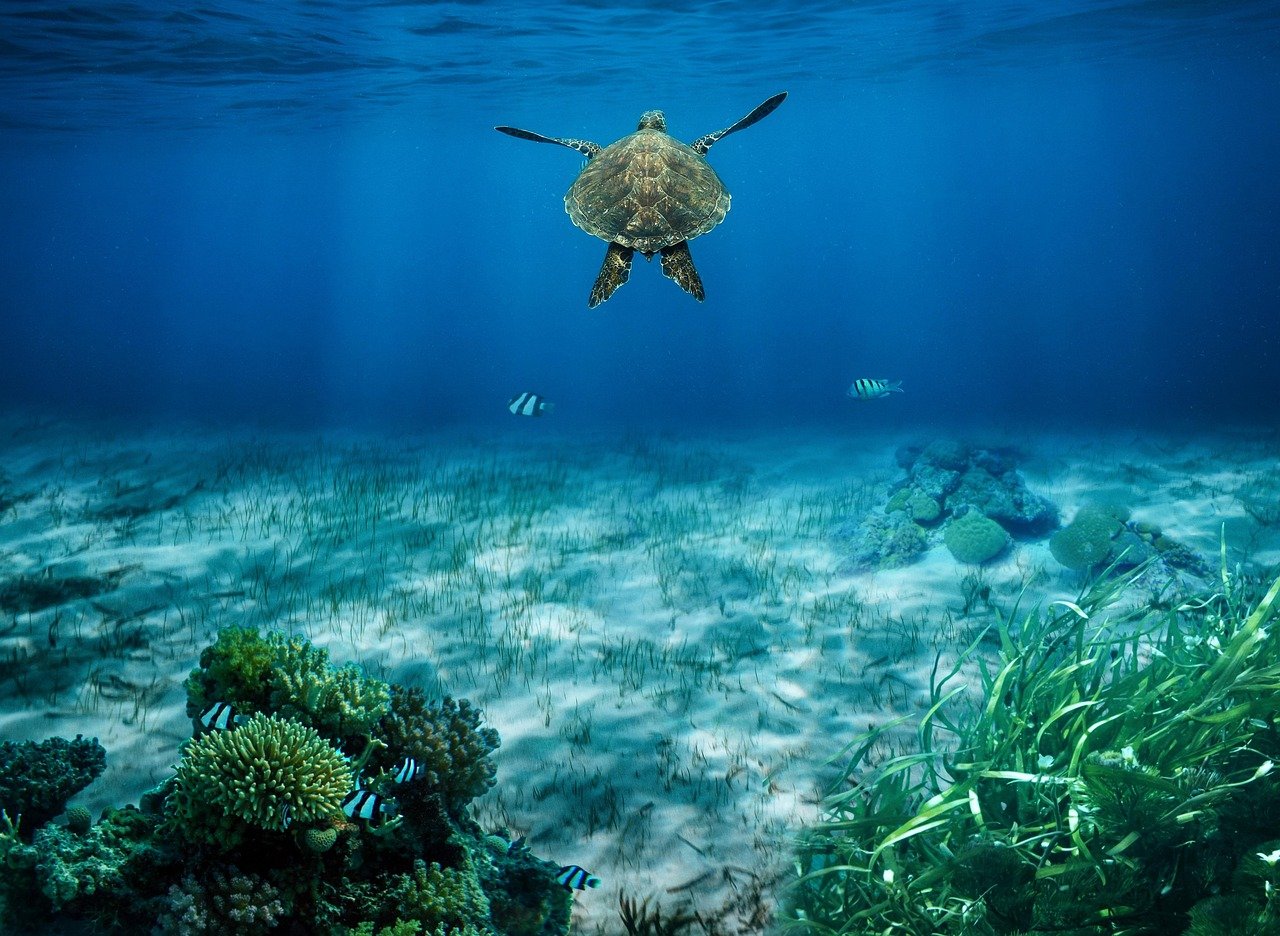
The article is about understanding the fascinating world of marine plants and how they shape our oceans.
“The plants of the sea are silent teachers, showing us that life thrives wherever it finds a home.” – The Economic Botanist
When you think about the ocean, your mind might immediately jump to dolphins, coral reefs, or perhaps giant whales. But did you know that the true backbone of these marine ecosystems isn’t always the flashy creatures we see, but the plants that quietly live underwater? Marine botany—the study of plants in the ocean—is an incredible field that helps us understand how the ocean works, why biodiversity thrives, and even how we can fight climate change. From waving kelp forests to meadows of seagrass, the plants in the sea are both resilient and essential, and their story is one you can dive into right from your living room.
Marine plants may not move or make a sound, but they play a starring role in the health of our oceans. They produce oxygen, provide food and shelter, and even influence the planet’s climate. You’ll discover that what looks like a simple patch of green or brown seaweed on the shore is actually part of a complex underwater community that supports countless species. Let’s explore the amazing world of marine botany, from the tiny algae floating in the currents to the towering kelp forests, and see why these ocean plants deserve our attention and protection.
- What is Marine Botany?
- Major Types of Marine Plants
- The Role of Marine Plants in Ocean Ecosystems
- Kelp Forests and Seagrass Meadows: Critical Marine Habitats
- Adaptations of Ocean Plants
- Economic and Human Uses of Seaweed and Marine Plants
- Threats to Marine Plant Ecosystems
- Protecting Marine Plant Biodiversity
- The Bottom Line
What is Marine Botany?
Marine botany might sound like a term reserved for scientists in lab coats, but it’s actually about understanding the plants that live in our oceans and coastal areas. Unlike terrestrial plants, marine plants have to survive in salty water, with varying sunlight, and under strong waves. Marine botany covers everything from tiny algae that drift in the currents to large, anchored plants like kelp and seagrass.
Scientists study marine plants for many reasons. They act as indicators of ecosystem health, meaning if the plants are thriving, so are many other species. They also help us understand global processes like carbon cycling and oxygen production, which are crucial for life on Earth. If you’ve ever wondered why some beaches have lush underwater greenery while others are barren, marine botany gives us the answers.
Marine plants grow in various habitats, from shallow intertidal zones to deep underwater valleys. You can find them along coastlines, in coral reefs, and even in deep-sea environments where light barely penetrates. Each species has unique adaptations that allow it to survive and thrive, making the study of marine botany a fascinating glimpse into the resilience of life.
Major Types of Marine Plants
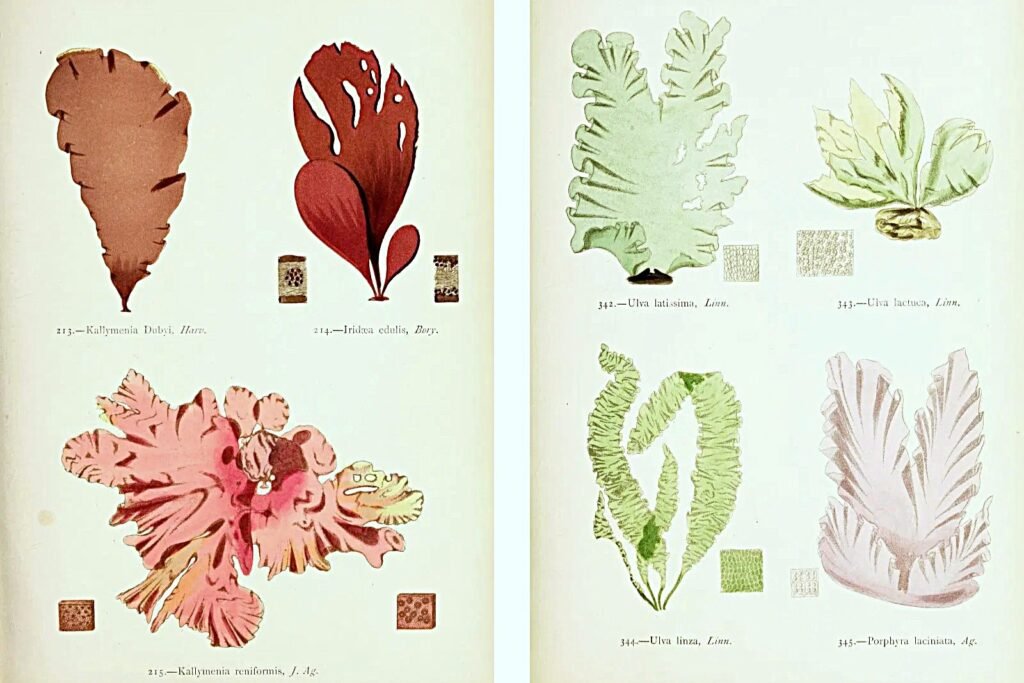
When it comes to marine plants, there are three main groups you should know about: seaweeds, seagrasses, and microalgae. While they all share the ability to photosynthesize and live in water, they each have unique features and roles in the ecosystem.
Seaweeds (Marine Macroalgae)
Seaweeds, or macroalgae, are some of the most visible marine plants. You’ve probably seen them washed up on the beach or forming underwater forests. They come in three main types: brown algae, red algae, and green algae.
Brown algae includes giant kelp, which can grow over 60 cm per day under ideal conditions. These underwater forests provide shelter and food for many marine animals, from small fish to sea otters. Red algae, often found in tropical waters, are important for coral reef building, while green algae frequently inhabit shallow coastal areas and tide pools.
Fun Fact
Some species of kelp can grow up to 60 cm in a single day, making them some of the fastest-growing plants on Earth.
Seagrasses: True Marine Flowering Plants
Unlike seaweed, seagrasses are true flowering plants. They anchor into the ocean floor with roots and form dense underwater meadows. These meadows are hotspots of biodiversity, providing food and shelter for fish, turtles, and invertebrates. Seagrasses also stabilize sediments and store significant amounts of carbon, which is why they’re sometimes called “blue carbon” ecosystems.
Microalgae and Phytoplankton
Not all marine plants are visible to the naked eye. Microalgae, including phytoplankton, are microscopic organisms that drift in the ocean currents. They produce a massive portion of the Earth’s oxygen and form the base of the marine food web. Without them, larger marine life, including the fish we eat, wouldn’t survive.
Fun Fact
Phytoplankton produce about 50% of the oxygen on Earth, which is more than all the forests combined.
The Role of Marine Plants in Ocean Ecosystems
Marine plants do a lot of work quietly, yet their impact is massive. Through photosynthesis, they convert sunlight into energy and release oxygen, supporting life both in the ocean and on land. These plants are the foundation of marine food webs, feeding herbivorous fish and invertebrates, which are then eaten by larger predators.
Marine plants also create habitats. Kelp forests, for example, are like underwater skyscrapers, providing shelter for thousands of marine species. Seagrass meadows act as nurseries for juvenile fish and crabs, giving them a safe place to grow before venturing into the open ocean.
Beyond providing food and shelter, marine plants influence water quality and help prevent coastal erosion. Their roots and holdfasts stabilize sediments, and their presence reduces wave energy along coastlines. Without them, many coastal regions would be far more vulnerable to storms and rising seas.
Kelp Forests and Seagrass Meadows: Critical Marine Habitats
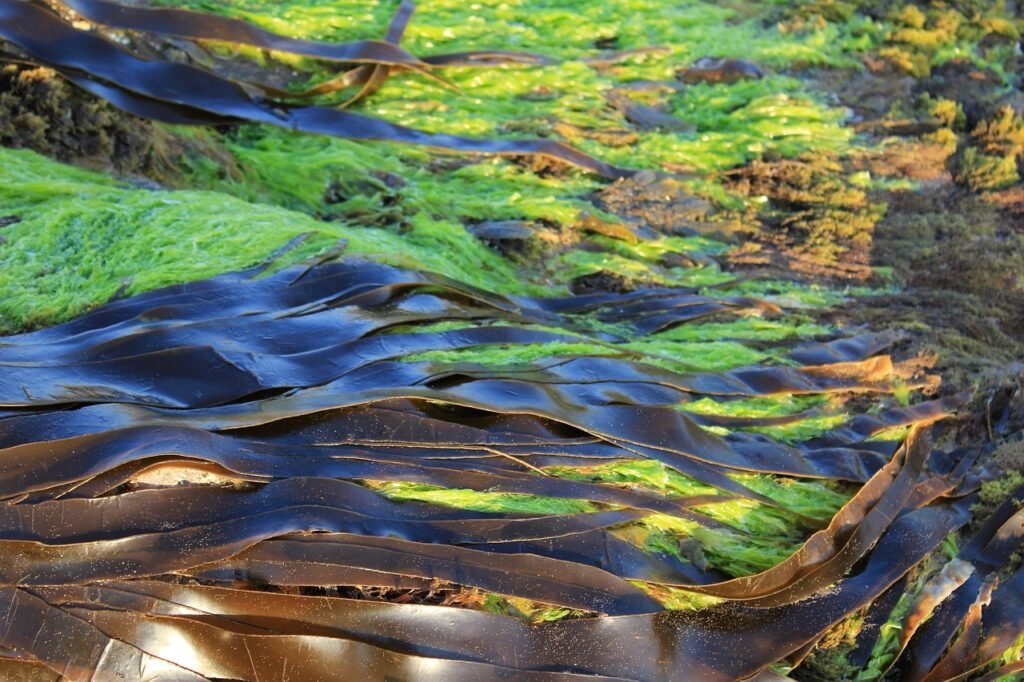
Kelp forests are some of the most dynamic marine plant communities. They tower underwater, reaching heights of up to 45 meters in some regions, and host an incredible diversity of life. Fish, invertebrates, and even mammals like sea otters rely on these forests for food and shelter.
Seagrass meadows, while not as visually dramatic as kelp forests, are equally important. They stabilize the seafloor, filter pollutants, and store carbon at rates much higher than many terrestrial forests. If you’ve ever snorkeled over a healthy seagrass meadow, you might have noticed small fish darting in and out—a sign of the rich biodiversity these plants support.
Wildlife that depends on marine vegetation is incredibly diverse. Fish species, sea turtles, crabs, and countless invertebrates all rely on plants like seagrass and kelp for survival. Protecting these habitats ensures the survival of these species and the health of the oceans overall.
Adaptations of Ocean Plants
Living in the ocean isn’t easy. Saltwater, waves, and fluctuating light make survival challenging, yet marine plants have remarkable adaptations.
Seaweeds use holdfasts instead of roots to anchor themselves to rocks, keeping them stable against strong currents. Seagrasses have strong roots to hold in soft sediments and survive in both calm and turbulent waters. Marine plants also have specialized pigments that allow them to capture light even in deeper waters where sunlight is minimal.
Salt tolerance is another key adaptation. Marine plants can manage high salinity by regulating water and salt balance within their cells, a process known as osmoregulation. These adaptations ensure they can survive where terrestrial plants cannot.
Economic and Human Uses of Seaweed and Marine Plants
You might be surprised to learn that marine plants aren’t just important for the environment—they also benefit humans in many ways. Seaweed has been part of human diets for thousands of years, particularly in Asian countries. It’s rich in vitamins, minerals, and antioxidants.
Industrially, seaweed is used in cosmetics, pharmaceuticals, and fertilizers. Researchers are even exploring seaweed as a sustainable source of biofuel. With global interest growing in sustainable practices, seaweed farming is on the rise. This practice not only provides economic opportunities but also helps restore degraded marine ecosystems.
Threats to Marine Plant Ecosystems
Despite their importance, marine plants face numerous threats. Climate change has increased ocean temperatures and acidification, both of which can stress or kill sensitive species. Coastal pollution, including nutrient runoff and plastic waste, damages habitats. Invasive species can outcompete native plants, disrupting ecosystems.
The loss of these plants isn’t just a problem for wildlife—it affects humans too. Reduced plant coverage can lead to lower fish populations, poorer water quality, and weaker coastal protection. Protecting marine plant ecosystems is essential for both environmental and economic reasons.
Protecting Marine Plant Biodiversity
Conservation strategies are critical. Marine protected areas help safeguard habitats from human interference. Seagrass restoration projects aim to replant and restore lost meadows, while kelp forest management ensures these ecosystems remain healthy. Communities and governments can work together to monitor and protect marine plant biodiversity, creating a resilient ocean for the future.
More Fascinating Facts About Marine Botany
– Seaweeds are not true plants in the traditional sense, but they perform the same essential functions like photosynthesis.
– Some seagrass meadows can live for thousands of years, acting as living time capsules of marine history.
The Bottom Line
Marine botany opens a window into the hidden world of ocean plants that sustain life both in the sea and on land. Seaweeds, seagrasses, and microalgae provide food, shelter, oxygen, and even help fight climate change. By understanding and protecting these plants, we protect entire ecosystems, the wildlife that depends on them, and the health of our planet.
Next time you visit the beach or snorkel in shallow waters, take a moment to notice the greenery beneath the waves. Consider how much life depends on these silent, yet powerful, plants—and how you can help protect them.