





The article is about the amazing cupuassu fruit and its role in creating sustainable economic opportunities through non-timber forest products and the bioeconomy.
“A fruit is more than food; it’s a bridge between people, forests, and the future we want to build.” – The Economic Botanist
Cupuaçu might sound like just another exotic fruit from the Amazon, but it’s so much more than that. For anyone curious about sustainable products, bioeconomy innovations, or even just delicious tropical flavors, this fruit deserves your attention. You might know it as a close cousin of cacao, and if you’ve ever tasted cupuaçu pulp or its butter, you know it has a rich, tangy flavor that’s hard to forget. But beyond taste, cupuaçu is a powerhouse in the world of non-timber forest products (NTFPs). It supports local economies, encourages sustainable forest management, and is becoming a darling of the bioeconomy sector.
In this article, we’ll explore what cupuaçu is, why it matters for forests and communities, how it’s used in food and cosmetics, and why it could be a key player in sustainable business models worldwide. We’ll also sprinkle in some fun facts along the way, so stick with me—you’re in for an informative and enjoyable journey.
- What is Cupuaçu Fruit?
- Why Cupuaçu is an Important Non-Timber Forest Product
- Cupuaçu and the Amazon Bioeconomy
- Nutritional Value and Health Benefits of Cupuaçu
- Major Uses of Cupuassu in Food Products
- Cupuassu in Cosmetics and Personal Care Products
- Cultivation and Agroforestry Systems
- The Cupuaçu Value Chain and Market Potential
- How Cupuaçu Supports Sustainable Development in the Amazon
- The Bottom Line
What is Cupuaçu Fruit?
Botanical Background
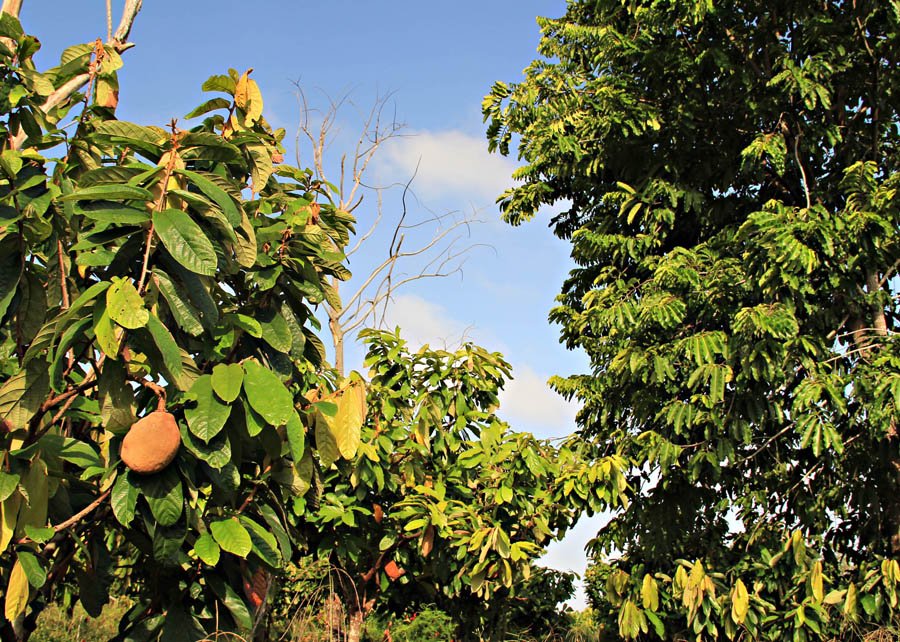
Cupuaçu (or cupuassu), scientifically known as Theobroma grandiflorum, is part of the same plant family as cacao. Native to the Amazon rainforest, it thrives in tropical climates across Brazil, Peru, Colombia, and Venezuela. Farmers often grow cupuaçu in shaded agroforestry systems alongside other crops like cacao, açaí, and timber species. This integration helps maintain biodiversity and keeps forests healthy.
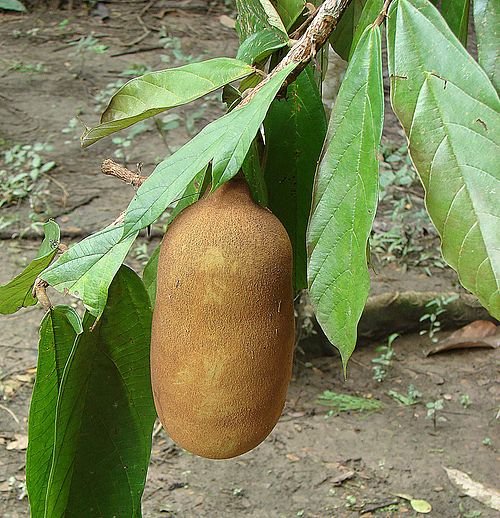
Cupuaçu trees can reach up to 10 meters in height, and their fruits are large, oval, and covered with a thick, brown shell. Inside, you’ll find creamy, aromatic pulp surrounding large seeds that are used to make cupuaçu butter—a natural, sustainable ingredient for chocolate alternatives and cosmetics.
Physical Characteristics
The fruit itself is quite remarkable. The pulp has a creamy texture and a unique flavor that’s often described as a mix of chocolate and pineapple. This tangy-sweet taste makes it perfect for juices, desserts, and even health foods. The seeds, on the other hand, are harvested for cupuaçu butter, which is high in antioxidants and used widely in skin and hair care products.
Fun Fact
The flavor of cupuaçu is so distinctive that it’s often called “white chocolate from the Amazon,” even though it’s naturally dairy-free.
Traditional Uses in Amazonian Communities
Local communities in the Amazon have used cupuaçu for centuries. Indigenous peoples often eat the pulp fresh or turn it into sweets and beverages. The seeds are roasted or fermented to create a chocolate-like product known as cupulate, which has become increasingly popular in both local markets and international niche products. For communities, cupuaçu isn’t just food; it’s a source of income, culture, and tradition.
Why Cupuaçu is an Important Non-Timber Forest Product
Understanding Non-Timber Forest Products (NTFPs)
Non-timber forest products are resources harvested from forests that do not require cutting down trees. These include fruits, nuts, resins, oils, and medicinal plants. NTFPs like cupuaçu provide financial opportunities without destroying forest ecosystems, making them essential for sustainable development.
Economic Importance for Rural and Indigenous Communities
By harvesting and selling cupuaçu, smallholder farmers and local communities generate extra income while preserving forests. The cupuaçu value chain—from cultivation to pulp extraction, butter production, and export—creates multiple revenue streams. This flexibility is particularly valuable in rural Amazonian areas where economic opportunities are limited.
Forest Conservation Benefits
When people see financial value in keeping forests intact, they’re more likely to protect them. Cupuaçu encourages agroforestry practices, which integrate trees and crops in a way that sustains biodiversity, improves soil health, and maintains ecosystem services. In this way, cupuaçu doesn’t just feed people; it helps keep forests alive for future generations.
Cupuaçu and the Amazon Bioeconomy
What Is the Amazon Bioeconomy?
The bioeconomy is all about using natural resources in ways that are sustainable, innovative, and economically valuable. The Amazon bioeconomy focuses on turning its vast biodiversity into products like food, cosmetics, medicines, and materials—all while ensuring the forests remain healthy.
Why Cupuaçu Fits Bioeconomy Models
Cupuassu is ideal for bioeconomy initiatives because almost every part of the fruit can be used. The pulp feeds people, the seeds produce butter for cosmetics and chocolate alternatives, and even the shells can be composted or used as biomass. This zero-waste approach fits perfectly with modern sustainability principles.
Expanding Global Demand for Amazon Superfruits
More consumers are seeking natural, functional foods with proven health benefits. Cupuaçu has caught the eye of international markets due to its unique flavor, antioxidants, and versatility. Whether you’re in Europe, North America, or Asia, there’s a growing appetite for products that are both delicious and eco-friendly.
Nutritional Value and Health Benefits of Cupuaçu
Key Nutrients in Cupuaçu Pulp
Cupuaçu pulp is rich in vitamins, minerals, and antioxidants. It contains vitamin C, which supports immune health, and theobromine, a natural stimulant that provides a mild mood boost. The pulp also contains fiber, which is excellent for digestion.
Potential Health Benefits
Regularly consuming cupuaçu can support digestive health, boost energy levels, and provide antioxidants that help fight free radicals. Its pulp can also be used in smoothies, juices, and functional snacks for a natural energy lift.
Why Cupuassu Is Considered an Amazon Superfood
Compared to other tropical fruits, cupuaçu stands out for its combination of nutrients, functional compounds, and versatility. Health-conscious consumers love it not only for flavor but also for its natural energy and antioxidant properties.
Fun Fact
Cupuaçu seeds contain a high percentage of fat, which is why the butter extracted from them is a natural moisturizer that can hold water up to 240% of its weight.
Major Uses of Cupuassu in Food Products
Cupuaçu Pulp Products
Cupuaçu pulp is incredibly versatile. You’ll find it in juices, smoothies, ice creams, jams, and even baked goods. Its tangy chocolate-pineapple flavor makes it stand out in tropical desserts.
Cupulate: A Chocolate Alternative
The seeds of cupuaçu can be roasted, fermented, and processed into cupulate—a chocolate alternative that is dairy-free and has a unique flavor profile. Cupulate is increasingly popular in vegan and specialty markets and offers an environmentally friendlier option compared to traditional chocolate.
Processed Food and Beverage Opportunities
Entrepreneurs and food innovators are exploring ways to use cupuassu in functional foods, natural snacks, and beverages. Its rising popularity in health foods and sustainable products indicates strong market potential.
Cupuassu in Cosmetics and Personal Care Products
Cupuaçu Butter Production
Cupuaçu butter is extracted from the seeds and is rich in fatty acids, antioxidants, and vitamins. This natural butter is a star ingredient in lotions, creams, hair masks, and lip balms.
Benefits for Skin and Hair
Cupuaçu butter absorbs water quickly, moisturizes deeply, and protects the skin from environmental damage. Its emollient properties also make it ideal for hair care, helping improve elasticity and shine without relying on synthetic ingredients.
Growing Demand in Natural Beauty Products
With consumers increasingly looking for eco-friendly and natural cosmetics, cupuassu butter has become a sought-after ingredient in skincare lines around the world. It’s sustainable, effective, and supports local economies in the Amazon.
Cultivation and Agroforestry Systems
How Cupuaçu is Cultivated
Cupuaçu trees thrive in warm, humid conditions with rich, well-drained soil. Farmers often plant them in shaded agroforestry systems, which protect the trees from direct sunlight and improve soil health. These systems also encourage biodiversity, attracting beneficial insects and birds.
Cupuaçu in Agroforestry Systems
By growing cupuaçu alongside cacao, açaí, and timber species, farmers create diverse ecosystems that sustain both nature and their livelihoods. These integrated systems also improve resilience against pests and climate variability.
Sustainable Farming Practices
Low-input, shade-grown systems reduce the need for chemical fertilizers and pesticides. Harvesting cupuaçu responsibly ensures long-term productivity while preserving forest cover. This approach makes cupuaçu cultivation a model of sustainable agriculture in the Amazon.
The Cupuaçu Value Chain and Market Potential
Production and Processing Stages
The cupuaçu value chain begins with harvesting mature fruits, followed by pulp extraction and seed processing. Pulp can be sold fresh, frozen, or processed into juice or jams, while seeds produce butter and cupulate. Proper handling ensures high-quality products that meet international standards.
Market Opportunities
Both domestic and international markets are growing. Brazilian markets remain strong, but export opportunities are expanding in Europe, North America, and Asia. Increasing demand for natural, sustainable, and functional products gives cupuassu a competitive edge.
Challenges in Scaling Cupuaçu Production
Infrastructure limitations, lack of processing facilities, and variable yields are challenges. However, training programs, cooperative initiatives, and certifications like organic and fair-trade can help smallholders scale production while maintaining sustainability.
How Cupuaçu Supports Sustainable Development in the Amazon
Supporting Smallholder Farmers
Cupuaçu provides income diversification and enhances resilience for small-scale farmers. With access to markets and processing knowledge, families can earn a steady income while conserving forests.
Reducing Pressure on Forest Resources
By making forests economically valuable without logging them, cupuaçu incentivizes conservation. This model shows that economic development and forest protection can go hand in hand.
Opportunities for Future Bioeconomy Innovation
New products, technologies, and market strategies continue to emerge. From beverages to natural cosmetics, cupuaçu’s versatility positions it as a cornerstone of the Amazon bioeconomy.
The Bottom Line
Cupuaçu is more than a tropical fruit—it’s a powerful example of how nature, culture, and economy can come together. It nourishes people, supports smallholder farmers, sustains forests, and fuels innovation in the bioeconomy. Whether in your morning smoothie, your skincare routine, or on a shelf in Europe, cupuaçu shows that sustainable products can also be profitable and delicious. By investing in cupuaçu and other NTFPs, we create opportunities for the Amazon, for communities, and for a greener, healthier future.
If you’re curious about exploring cupuaçu in your diet, business, or skincare routine, start by sourcing it from ethical, sustainable producers—because supporting the forest means supporting the future.



.jpg)