






The article is about Amazon Indigenous fermented wines and traditional beverages made from buriti, carana, cupuaçu seeds, bacuri, cassava, corn, and pineapple—and how these ancient fermentation traditions still shape Amazon culture today.
“Fermentation is not just a chemical process in the Amazon; it is a living bridge between forest, people, and time.” – The Economic Botanist
When you think of wine, you probably picture grapes growing in tidy vineyards. However, deep in the Amazon rainforest, fermentation follows a very different path. Instead of grapes, Indigenous communities use palms, cassava, tropical fruits, seeds, corn, and pineapple. As a result, Amazon indigenous fermented wines reflect the forest itself.
In this guide, you will explore buriti wine, carana palm wine, fermented cupuaçu and bacuri drinks, corn and pineapple aluá, tarubá, caxiri, and tudipi. Along the way, you will see how Amazon traditional fermentation works, why it matters for sustainability, and how it supports Indigenous cultural identity.
- What Are Amazon Indigenous Fermented Wines and Traditional Beverages?
- Why Fermentation Matters in the Amazon Rainforest
- Palm and Fruit-Based Amazon Fermented Wines
- Cassava and Grain-Based Fermented Beverages
- How Amazon Traditional Fermentation Works
- Sustainability and Biodiversity in Amazon Fermented Drinks
- Flavor Profiles and Tasting Notes of Amazon Fruit Wines
- Amazon Indigenous Fermented Wines vs Modern Craft Fermentation
- Where You Can Experience Amazon Traditional Beverages Today
- The Bottom Line
What Are Amazon Indigenous Fermented Wines and Traditional Beverages?
Amazon indigenous fermented wines are traditional drinks made by Indigenous peoples of the Amazon using local plants and fruits. While some contain alcohol, many remain mildly fermented and serve as daily nourishment rather than strong intoxicants.
Unlike industrial alcohol, these beverages rely on wild fermentation. In other words, natural yeasts and bacteria found on fruit skins, tools, and even in the air begin the process. Because no commercial yeast controls the outcome, each batch reflects its environment. Therefore, these indigenous Brazilian drinks taste slightly different depending on region, season, and even household practice.
Moreover, these beverages form part of Amazon cultural heritage drinks. People share them at ceremonies, community gatherings, and daily meals. In many groups, women lead the fermentation process, passing down ancestral Amazon recipes through generations. So when you learn about these drinks, you also learn about knowledge systems rooted in the forest.
Why Fermentation Matters in the Amazon Rainforest
Because the Amazon climate stays hot and humid, food spoils quickly. Fermentation solves that problem. It preserves nutrients, extends shelf life, and improves safety.
For example, cassava contains natural compounds that can release cyanide if not processed properly. Through soaking, pressing, heating, and fermenting, Indigenous communities reduce these toxins. As a result, traditional cassava fermentation protects health while providing calories and hydration.
However, fermentation does more than preserve food. It builds social bonds. Families gather to prepare caxiri or tarubá. They talk, sing, and share stories while waiting for fermentation to develop. Consequently, fermentation strengthens community life.
Fun Fact
In some Amazon communities, fermentation gatherings double as storytelling sessions where elders teach history while younger members prepare the drink.
Palm and Fruit-Based Amazon Fermented Wines
The Amazon rainforest contains extraordinary biodiversity. Therefore, many Amazon fruit wines and palm wines come directly from native species.
Buriti Wine and Amazon Palm Wine Traditions
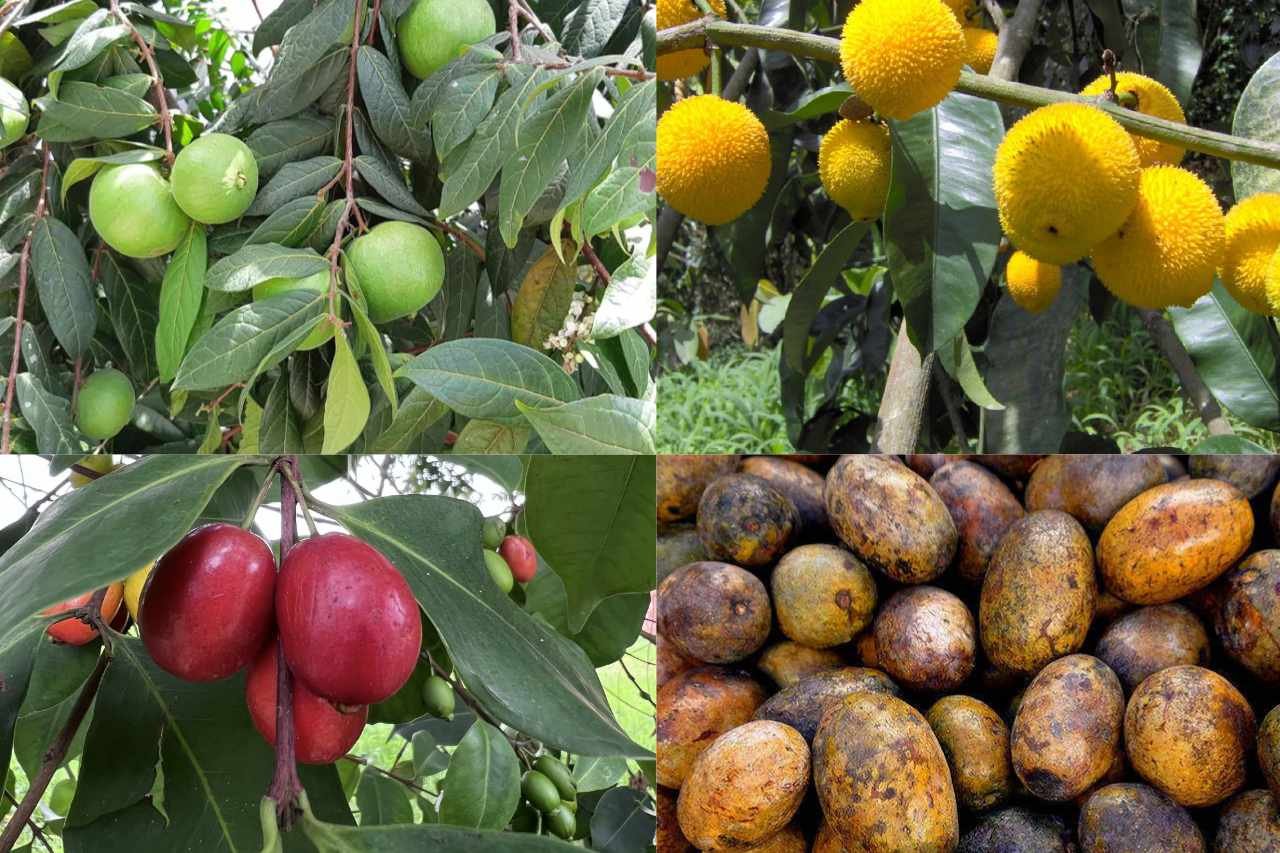
Buriti wine comes from the fruit of the buriti palm, scientifically known as Mauritia flexuosa. This palm grows in wetlands across the Amazon and produces bright orange fruit rich in nutrients.
To make buriti wine, people harvest ripe fruit, mash the pulp, and allow wild fermentation to begin. Natural yeasts convert sugars into alcohol. Because the process remains simple, the drink often tastes fruity, slightly sweet, and earthy.
Importantly, buriti belongs to a broader category of Amazon palm wine traditions. In many regions, families harvest fruit instead of cutting down the tree. Therefore, buriti wine supports sustainable Amazon ingredients and forest conservation.
Fun Fact
Buriti fruit contains some of the highest natural beta-carotene levels of any tropical fruit, giving buriti wine its deep golden color.
Carana Palm Fermented Beverage
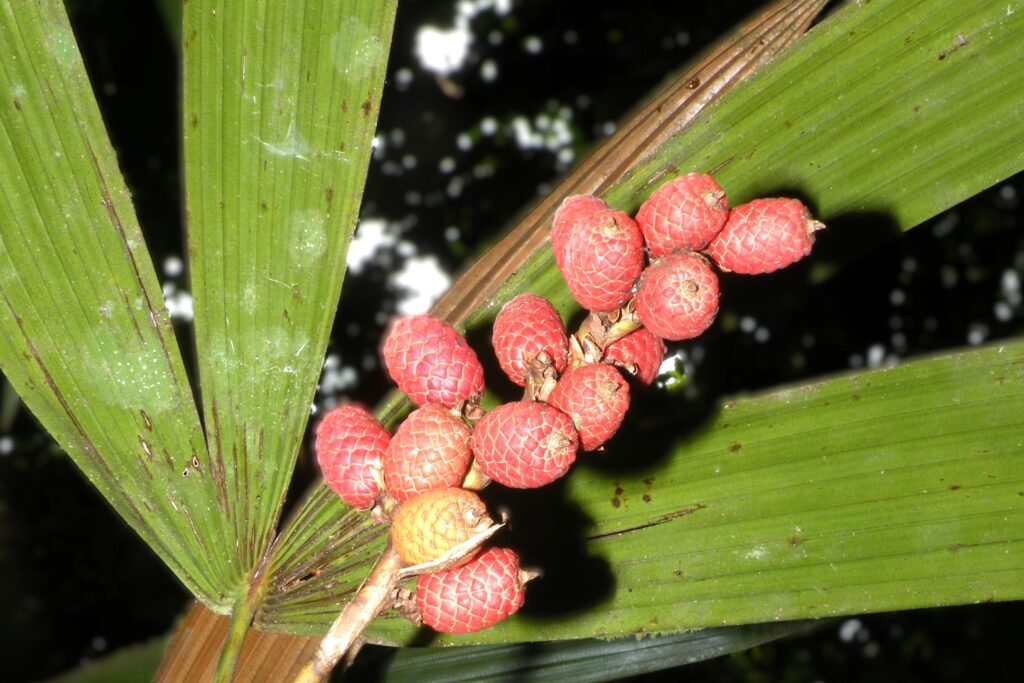
Carana palm wine comes from Lepidocaryum tenue. Although less known internationally, this palm plays a meaningful role in local communities.
People may ferment fruit or sap, depending on regional customs. Because tropical heat speeds up fermentation, the beverage often develops within one or two days. As a result, freshness matters.
When you compare carana palm wine to palm wines from Africa or Asia, you notice similarities in technique. However, flavor differs because local microbes and plant chemistry shape the outcome. That difference highlights how native Brazilian fermentation reflects its environment.
Fermented Cupuaçu Seed Wine
Cupuaçu grows on Theobroma grandiflorum and belongs to the same family as cacao. While many people enjoy cupuaçu pulp in sweets, some communities ferment its seeds or pulp into traditional beverages.
After cleaning the seeds, fermenters allow natural microbes to transform sugars into alcohol and acids. Because cupuaçu carries aromatic compounds similar to chocolate, the resulting drink can taste tangy, fruity, and slightly rich.
In addition, using seeds supports zero-waste systems. Rather than discarding byproducts, communities turn them into artisanal Amazon beverages. Consequently, fermented tropical fruits like cupuaçu demonstrate sustainable forest use.
Bacuri Fermented Drink
Bacuri grows on Platonia insignis, a tree native to the Amazon. The fruit contains thick skin and fragrant pulp.
To create a bacuri fermented drink, people mash the pulp and allow wild fermentation to occur. Because bacuri balances sweetness and acidity, fermentation produces a smooth and aromatic beverage.
Furthermore, bacuri ranks among Amazon rainforest superfruits due to its strong scent and flavor. Therefore, bacuri fermentation highlights the diversity of Amazon ethnobotany drinks.
Cassava and Grain-Based Fermented Beverages
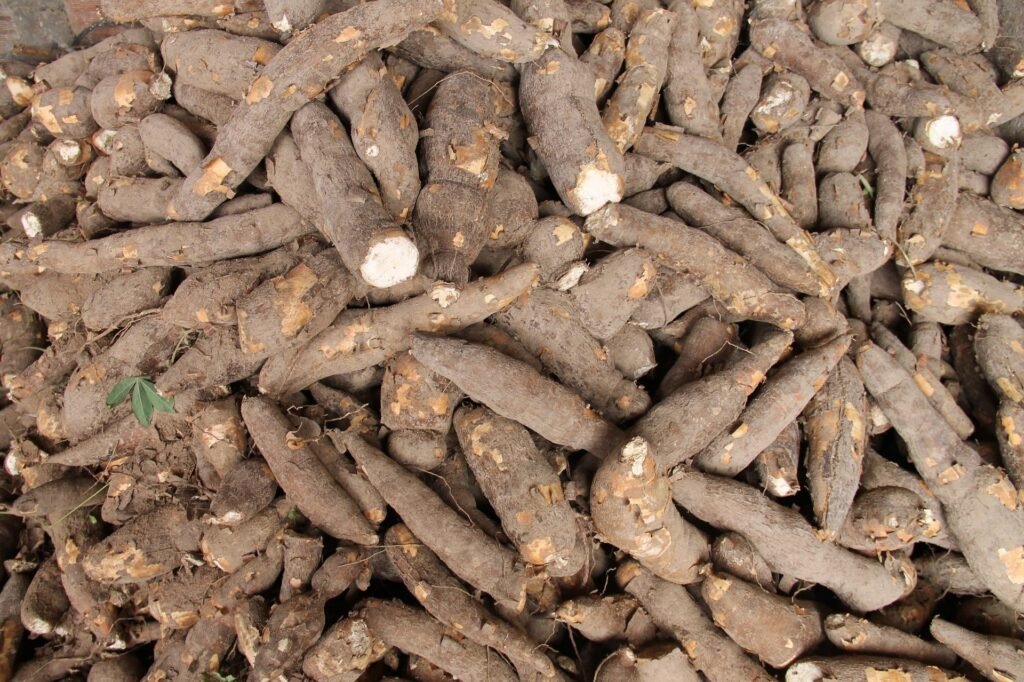
Although fruit wines attract attention, cassava-based drinks form the foundation of many Amazon food systems.
Caxiri: The Sacred Cassava Brew
Caxiri stands as one of the most important traditional cassava fermentation drinks in the Amazon. People grate cassava, cook it, and then allow it to ferment.
In some traditions, women chew part of the cassava mixture. Their saliva introduces enzymes that break starch into sugar. Then, wild yeasts convert sugar into alcohol. Although this method may surprise you, it represents a scientifically effective technique developed long before modern laboratories.
Caxiri usually contains low to moderate alcohol levels. However, it plays a central role in ceremonies and gatherings. Therefore, caxiri connects nutrition, ritual, and indigenous fermentation techniques.
Tarubá: The Everyday Fermented Cassava Drink
Tarubá often begins with cassava bread. People crumble the bread into water and allow wild fermentation to start. Compared to caxiri, tarubá feels lighter and often serves as a daily beverage.
Because tarubá ferments quickly, families prepare it regularly. As a result, it supports hydration and caloric intake in remote communities. Moreover, tarubá reflects indigenous Brazilian drinks rooted in practicality and culture.
Aluá: Corn and Pineapple Variations
Aluá includes both corn aluá and pineapple aluá. Corn aluá uses soaked and fermented corn, sometimes with sugar and spices. Pineapple aluá uses pineapple peels or pulp, which ferment naturally due to wild yeast on the skin.
Although aluá typically contains low alcohol, it still qualifies as part of Amazon traditional beverages. Additionally, pineapple aluá offers refreshing acidity, while corn aluá provides mild sweetness.
Fun Fact
Pineapple peels naturally carry yeast on their surface, which means you can start fermentation without adding commercial yeast.
Tudipi: Fermented Cassava Broth
Tudipi comes from the liquid extracted during cassava processing. After pressing grated cassava, people boil the liquid to reduce toxins. Then, they may ferment it slightly or use it in cooking.
Because tudipi develops acidity and depth, cooks use it in soups and sauces as well as beverages. Therefore, tudipi bridges drink and cuisine within Brazilian Amazon gastronomy.
How Amazon Traditional Fermentation Works
Fermentation occurs when microorganisms, especially yeast, consume sugar and produce alcohol and carbon dioxide. In the Amazon, wild fermentation Amazon methods rely on natural microbes rather than packaged yeast.
Because warm temperatures speed up microbial activity, fermentation often completes within days. However, experienced fermenters rely on smell, taste, and texture to judge readiness. They adjust timing based on climate and ingredient.
When cassava enters the process, fermentation also reduces toxins. Through soaking, pressing, heating, and fermenting, communities make cassava safe. Therefore, native Brazilian fermentation combines chemistry and cultural knowledge.
Sustainability and Biodiversity in Amazon Fermented Drinks
Amazon indigenous fermented wines depend on forest biodiversity. Without buriti, carana, cupuaçu, bacuri, cassava, corn, and pineapple, these traditions would fade.
However, many communities practice agroforestry. Instead of clearing forest completely, they grow crops within diverse ecosystems. Consequently, they maintain wildlife habitat and soil health.
Additionally, zero-waste processing strengthens sustainability. Seeds, peels, pulp, and juice all serve a purpose. As a result, sustainable Amazon ingredients remain central to these artisanal Amazon beverages.
Flavor Profiles and Tasting Notes of Amazon Fruit Wines
If you tasted these beverages side by side, you would notice wide variation.
Buriti wine tastes fruity and slightly rich. Carana palm wine feels light and mildly sweet. Cupuaçu fermentation offers tangy notes with subtle chocolate hints. Bacuri drinks feel aromatic and creamy.
Meanwhile, caxiri and tarubá taste earthy and gently sour. Corn aluá feels mildly sweet, while pineapple aluá tastes bright and refreshing.
Although alcohol levels remain modest in many cases, these drinks resemble rustic craft beers or ciders more than strong wines. Still, each beverage expresses local identity.
Amazon Indigenous Fermented Wines vs Modern Craft Fermentation
Modern craft fermentation uses stainless steel tanks, lab-selected yeast, and strict temperature control. In contrast, Amazon traditional fermentation relies on wild microbes and community knowledge.
While craft systems prioritize consistency, Indigenous systems prioritize cultural continuity. Therefore, both approaches offer value, but they serve different goals.
As interest in traditional Amazon alcohol grows, ethical questions arise. Who controls commercialization? Who benefits from global demand? Respecting Indigenous sovereignty remains essential.
Where You Can Experience Amazon Traditional Beverages Today
You may not find caxiri or tarubá in a supermarket. However, travelers can encounter them in parts of the Brazilian Amazon through community-based tourism.
Some chefs also explore Brazilian Amazon gastronomy by drawing inspiration from these drinks. Nevertheless, authentic versions remain rooted in Indigenous territories and cultural contexts.
If you ever taste these beverages, approach them with respect. Listen to the stories behind them. Understand that you participate in a living tradition.
The Bottom Line
Amazon indigenous fermented wines and beverages represent resilience, science, and culture combined. From buriti and carana palm wine to fermented cupuaçu and bacuri drinks, and from caxiri and tarubá to corn and pineapple aluá and tudipi, each drink carries centuries of knowledge.
Moreover, Amazon traditional fermentation teaches us about biodiversity, sustainability, and zero-waste food systems. While modern craft fermentation evolves in urban spaces, Indigenous Amazon communities continue to practice methods refined over generations.
When you learn about these indigenous Brazilian drinks, you help preserve awareness of ancestral Amazon recipes and native Brazilian fermentation techniques. These traditions deserve recognition, respect, and protection.
If this article expanded your understanding of Amazon cultural heritage drinks, share it, explore ethical Amazon products, and continue learning about Indigenous food systems that keep forest knowledge alive.