






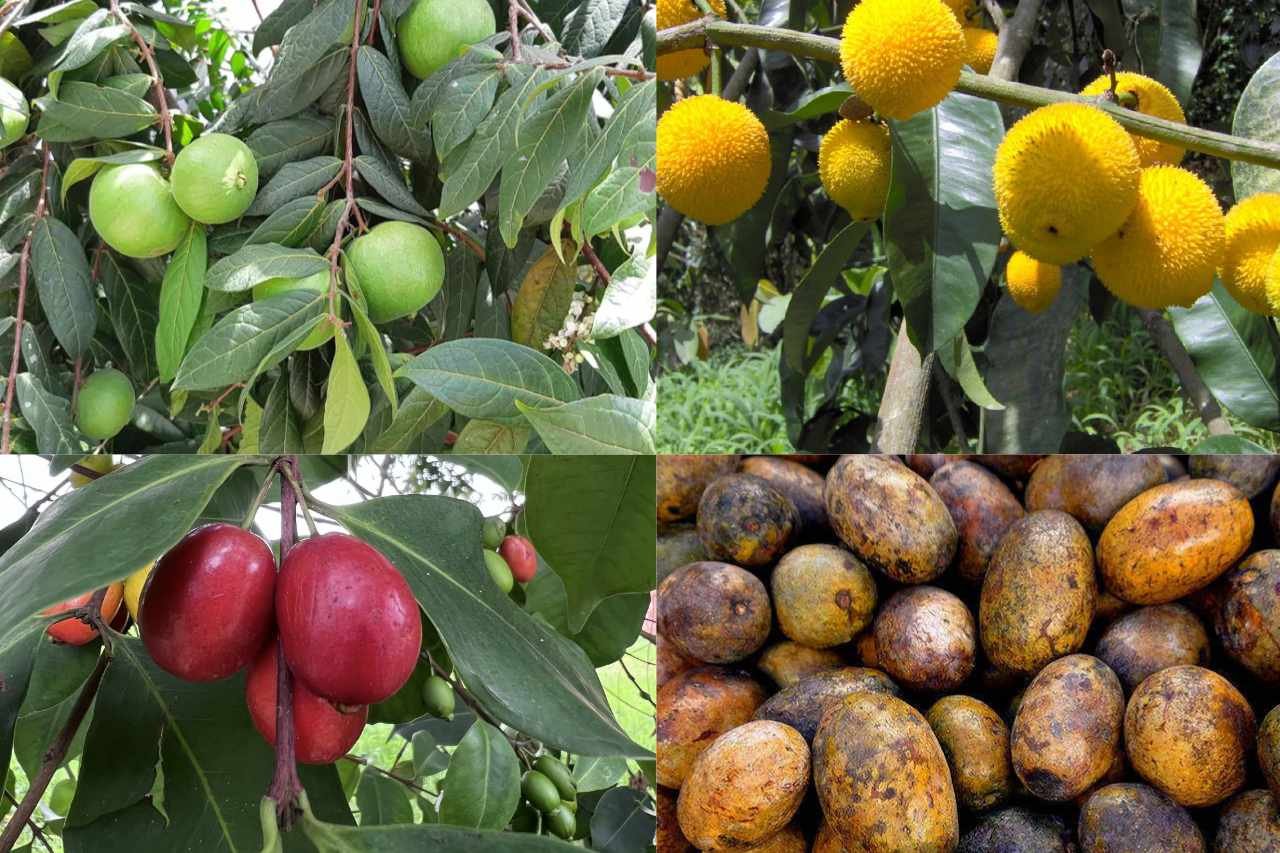
The article is about Amazon wild fruits and how five powerful rainforest superfruits can support your health while protecting biodiversity.
“When we protect wild fruits, we protect both the forest and the future of human nutrition.” – The Economic Botanist
The Amazon rainforest holds more plant life than anywhere else on Earth. Yet most of us only know a tiny fraction of its edible treasures. While supermarkets stock apples, bananas, and oranges, the rainforest grows thousands of nutrient-dense tropical fruits that rarely leave their home region. Among them are araza, uchi, wild pitanga, and madroño—four remarkable examples of Amazon biodiversity fruits that deserve your attention.
If you care about immune health, antioxidant-rich foods, or sustainable sourcing, these Amazon wild fruits offer more than just exotic flavors. They also tell a deeper story about how nature designs powerful nutrition. Today, we will explore what makes these rainforest superfoods so unique, what research says about their benefits, and how you can add them to your life in a practical way.
- Why Amazon Wild Fruits Matter for Biodiversity and Human Health
- Araza (Eugenia stipitata McVaugh): A Tangy Amazon Superfruit with Digestive Power
- Uchi (Endopleura uchi (Huber) Cuatrec.): A Traditional Amazonian Medicinal Fruit
- Wild Pitanga (Eugenia punicifolia (Kunth) DC.): A Lesser-Known Antioxidant Gem
- Madroño (Garcinia madruno (Kunth) Hammel): A Sweet-Tart Rainforest Treasure
- Nutritional Comparison of Amazon Wild Fruits
- How Indigenous Knowledge Guides Modern Science
- How to Add Amazon Superfruits to Your Diet
- The Bottom Line
Why Amazon Wild Fruits Matter for Biodiversity and Human Health
The Amazon is not just a forest. It acts as a living laboratory of evolution. Because plants must survive heat, humidity, pests, and intense competition, they produce high levels of protective compounds. As a result, many Amazon rainforest fruits contain strong antioxidants, vitamin C, polyphenols, and other bioactive compounds.
When you eat wild harvested Amazon fruits, you often consume plants that evolved without heavy breeding or genetic narrowing. Unlike many commercial fruits that farmers select for sweetness or shelf life, wild fruits often keep their original nutrient density. Therefore, they can deliver higher levels of certain protective compounds.
At the same time, indigenous communities have used these fruits for generations. They understand which fruits support immunity, digestion, inflammation balance, and women’s health. Modern science now studies these Amazonian medicinal fruits and often confirms what traditional knowledge already suggested.
However, biodiversity faces serious threats. Deforestation reduces plant diversity every year. Therefore, when we support sustainable Amazon fruits and ethical sourcing, we encourage conservation instead of destruction. You support both your body and the forest.
Araza (Eugenia stipitata McVaugh): A Tangy Amazon Superfruit with Digestive Power
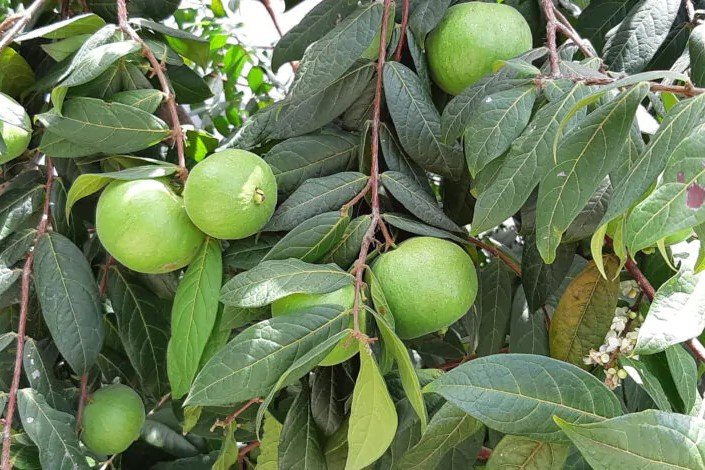
Araza grows on small trees in the western Amazon. Botanists classify it as Eugenia stipitata, and local communities value it for juice and fresh consumption. The fruit looks round and yellow, and it offers a bright, tangy flavor that reminds many people of citrus with a tropical twist.
Araza fruit benefits begin with vitamin C and vitamin A content. Because both vitamins support immune health and tissue repair, araza fits well into the category of immune boosting fruits from the Amazon. In addition, the fruit contains fiber, which supports digestion.
Many Amazon rainforest fruits help digestion because they combine fiber with plant acids. Araza’s natural acidity stimulates saliva and digestive enzymes. Therefore, it often appears in refreshing beverages in its native region.
Research also highlights its antioxidant capacity. While it may not match camu camu in vitamin C, Eugenia stipitata fruit still delivers meaningful antioxidant activity. That makes it one of the more promising exotic Amazon fruits for global markets.
Cooks in the Amazon use araza for juices, jams, and fermented drinks. Because the fruit bruises easily, you rarely see it fresh outside the region. As a result, frozen pulp or processed products offer the most realistic option for international consumers.
If you enjoy trying rare tropical fruits, araza gives you both flavor and function.
Uchi (Endopleura uchi (Huber) Cuatrec.): A Traditional Amazonian Medicinal Fruit
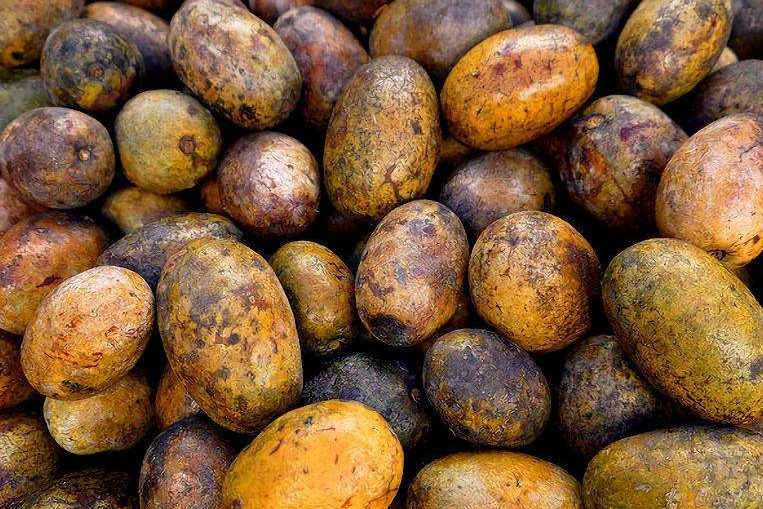
Uchi grows on large forest trees that can live for decades. The fruit comes from Endopleura uchi, and communities in northern Brazil have long valued it for medicinal use. The fruit has a thick outer shell and a rich, oily pulp.
Endopleura uchi health benefits often focus on anti-inflammatory properties. Traditional healers use preparations made from the bark and fruit to support women’s reproductive health. While modern clinical research remains limited, laboratory studies suggest the plant contains bioactive compounds with anti-inflammatory potential.
Because uchi fruit contains healthy fats along with plant compounds, it offers a different nutritional profile than many other Amazon wild fruits. Those fats may help the body absorb fat-soluble nutrients. Therefore, uchi represents an interesting example of how nutrient-dense tropical fruits can vary widely.
Moreover, uchi fruit uses extend beyond direct consumption. Some communities prepare decoctions from the bark. However, if you seek uchi products, you should prioritize sustainable sourcing. Overharvesting bark can harm trees if producers do not follow careful guidelines.
As interest in Amazonian medicinal fruits grows, uchi stands as a reminder that traditional knowledge still guides scientific discovery.
Wild Pitanga (Eugenia punicifolia (Kunth) DC.): A Lesser-Known Antioxidant Gem
Wild pitanga belongs to the same botanical family as araza. Scientists classify it as Eugenia punicifolia. Although it receives less global attention, it remains an important indigenous Amazon fruit.
The fruit appears small and often reddish. Its flavor balances sweet and tart notes. Because wild pitanga grows naturally in forest ecosystems, it contributes to Amazon fruit biodiversity.
Eugenia punicifolia fruit contains polyphenols, which function as antioxidants. Antioxidant tropical fruits help protect cells from oxidative stress. Therefore, regular intake of polyphenol-rich foods supports long-term health.
In addition, wild pitanga may support immune function due to its vitamin content. While research remains early, scientists continue to examine how compounds in related Eugenia species affect inflammation and metabolic health.
Fun Fact
Many wild Amazon fruits, including pitanga species, attract wildlife that spreads their seeds across vast forest areas, helping maintain rainforest biodiversity.
Because wild harvested Amazon fruits often depend on forest animals for seed dispersal, preserving wildlife directly supports fruit diversity. Therefore, when you support sustainable Amazon fruits, you also support entire ecosystems.
Madroño (Garcinia madruno (Kunth) Hammel): A Sweet-Tart Rainforest Treasure
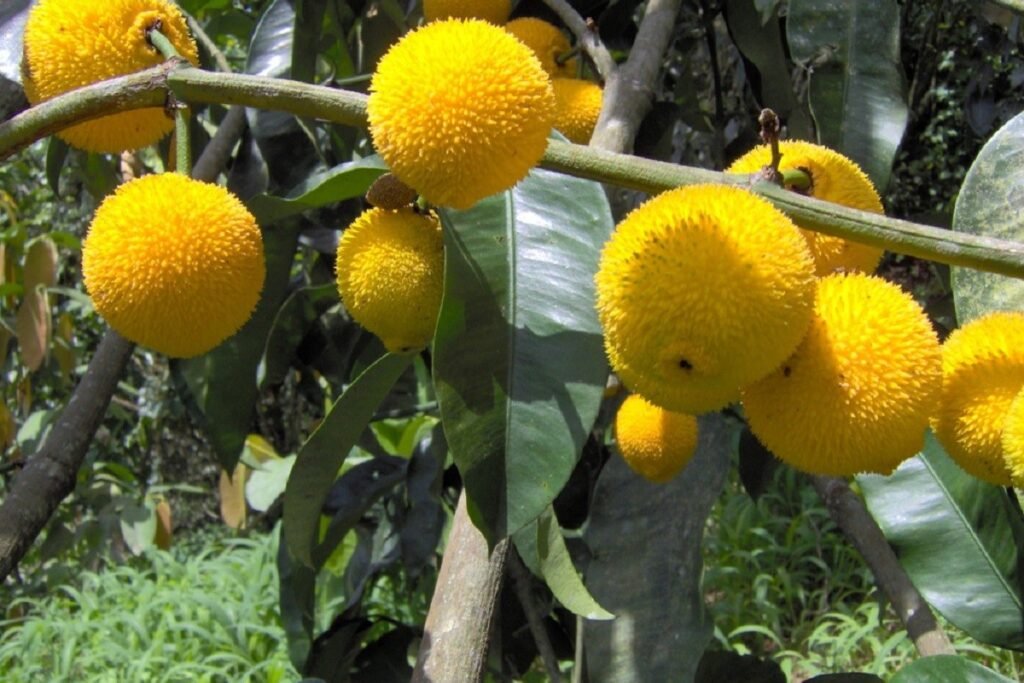
Madroño grows in tropical regions of South America and belongs to the Garcinia genus. Botanists identify it as Garcinia madruno. The fruit features thick yellow skin and soft white pulp inside.
Garcinia madruno fruit offers a sweet-tart flavor that many compare to mangosteen. Like other rare tropical fruits, it contains antioxidants and plant compounds that researchers continue to explore.
Madroño fruit benefits may include digestive support. The fruit contains fiber and bioactive compounds that could assist gut health. While more human studies remain necessary, traditional use suggests digestive and anti-inflammatory potential.
Because Garcinia species often contain unique xanthones and other phytochemicals, scientists pay attention to this group. However, you should avoid exaggerated claims. Instead, focus on the fruit as part of a varied diet rich in whole foods.
As interest in rainforest superfoods grows, madroño offers both culinary enjoyment and nutritional intrigue.
Nutritional Comparison of Amazon Wild Fruits
When you compare these five Amazon superfruits, you notice clear differences. Camu camu leads in vitamin C. Araza provides vitamin C along with digestive support. Uchi offers anti-inflammatory potential with healthy fats. Wild pitanga delivers polyphenols. Madroño contributes fiber and unique phytochemicals.
Therefore, no single fruit does everything. Instead, variety strengthens your nutrient intake. Because tropical fruit nutrition facts vary widely, combining different fruits helps you cover more nutritional ground.
If you look for immune boosting fruits from the Amazon, camu camu and araza stand out. If you focus on antioxidant tropical fruits, pitanga and madroño deserve attention. If you explore Amazonian medicinal fruits with traditional depth, uchi provides a fascinating case.
How Indigenous Knowledge Guides Modern Science
For generations, indigenous communities relied on Amazon rainforest fruits for survival. They observed which fruits supported healing and which seasons offered the richest harvests. Today, researchers increasingly collaborate with local experts to document these uses.
Because indigenous Amazon fruits grow within complex ecosystems, communities understand harvesting rhythms. Sustainable collection protects future harvests. Therefore, ethical supply chains must respect traditional knowledge and land rights.
When you purchase sustainable Amazon fruits, you help create economic value that competes with deforestation. Instead of clearing land for cattle or monocrops, communities can maintain forest cover. That approach protects Amazon fruit biodiversity and global climate stability.
How to Add Amazon Superfruits to Your Diet
You do not need to travel to the rainforest to try these fruits. Today, companies sell frozen araza pulp, and other products online. However, you should read labels carefully. Look for transparent sourcing and fair-trade partnerships.
You can blend araza pulp into juices. You might experiment with pitanga products if you find specialty suppliers. Although uchi and madroño remain harder to source, specialty markets sometimes offer extracts.
Because these fruits taste strong, start with small amounts. Over time, you can adjust recipes to balance flavor and nutrition.
As always, whole foods work best within a balanced diet. Therefore, use Amazon superfruits to complement—not replace—other nutrient-dense foods.
The Bottom Line
Amazon wild fruits represent more than exotic flavors. They reflect millions of years of plant evolution and generations of indigenous knowledge. Araza supports digestion and immunity. Uchi highlights traditional medicinal potential. Wild pitanga adds antioxidant diversity. Madroño introduces unique phytochemicals from rainforest ecosystems.
When you choose sustainably sourced Amazon rainforest fruits, you support both your health and forest conservation. You also expand your understanding of what food can be. Instead of relying only on familiar produce, you explore the broader world of nutrient-dense tropical fruits.
As research continues, we will likely discover even more about these remarkable plants. For now, the science already suggests that Amazon superfruits can play a meaningful role in a diverse, whole-food diet.
If you want to support biodiversity while upgrading your nutrition, start by exploring ethically sourced Amazon wild fruits and share what you learn with others. The forest’s future may depend on informed choices like yours.