





Scientific name: Zingiber officinale Roscoe
Family: Zingiberaceae
Ginger is one of those plants that almost everyone knows, even if they don’t realize how fascinating it really is. You might recognize ginger as a knobby beige root sitting in the produce aisle, a spicy ingredient in stir-fries, or the comforting flavor in ginger tea when you’re not feeling your best. But behind that familiar taste is a plant with a long history, a unique biology, and an impressive range of culinary and health uses.
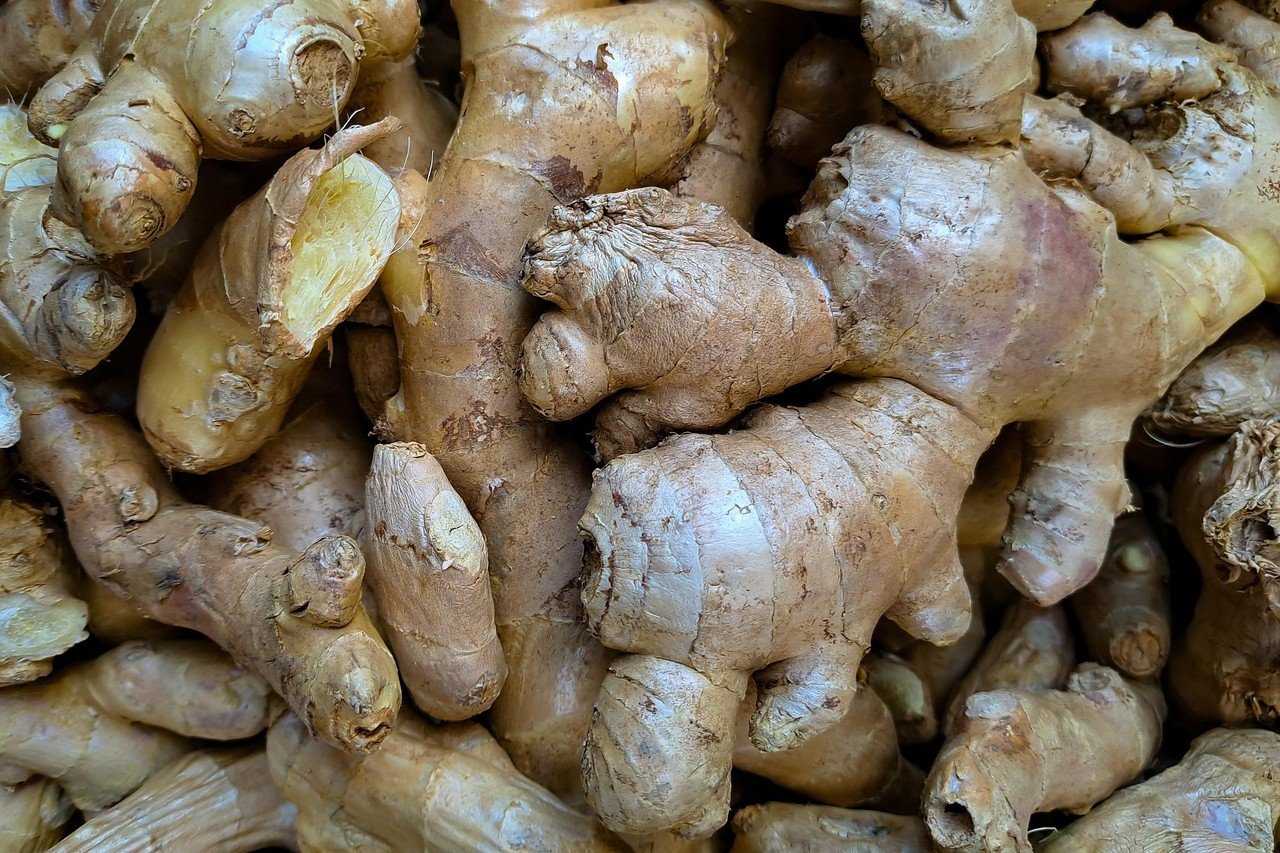
Ginger is a tropical plant grown for its underground stem, called a rhizome. That rhizome is what we grate, slice, dry, pickle, candy, and brew. People have been using ginger for thousands of years as both food and medicine, and modern research continues to explore why it has stayed so popular for so long.
In this Plant Compendium entry, you’ll get a complete, practical, and easy-to-understand guide to ginger. We’ll look at where it comes from, how it grows, how to use it in the kitchen, what science says about its health benefits, and what to know when shopping, storing, or growing it yourself. Think of this as a deep dive into ginger, translated from science into everyday language.
History of Ginger
Ginger has one of the longest and most well-documented histories of any spice. It is believed to have originated in Southeast Asia, likely in regions that are now part of southern China, India, and Indonesia. From there, ginger spread across Asia and eventually around the world through trade routes.
More than 5,000 years ago, ginger was already being cultivated and traded. Ancient Chinese texts describe ginger as both a food and a medicinal plant, often used to support digestion and warmth in the body. In India, ginger became a cornerstone of Ayurvedic medicine, where it was valued for balancing digestion, circulation, and overall vitality.
Ginger made its way to the Middle East and Europe through the spice trade. By the time of ancient Greece and Rome, it was a prized import, sometimes costing as much as livestock. Medieval Europeans used ginger to flavor bread, preserve food, and mask unpleasant tastes in an era before refrigeration.
As global exploration expanded, ginger traveled to Africa, the Caribbean, and the Americas. Today, major ginger-producing countries include India, China, Nigeria, Thailand, and Jamaica. Despite its global reach, ginger has remained closely tied to traditional cooking and healing systems, even as modern science continues to study it.
Botanical Description
Ginger belongs to the Zingiberaceae family, which also includes turmeric and cardamom. While it’s often called a “root,” ginger is technically a rhizome—an underground stem that grows horizontally and sends up shoots and roots.
Roots: Ginger produces fibrous roots that grow downward from the rhizome. These roots anchor the plant in the soil and absorb water and nutrients. They are not typically used for culinary or medicinal purposes, but they are essential for the plant’s growth and stability.
Stems: What look like stems above ground are actually pseudostems formed by tightly rolled leaf bases. These upright structures can grow two to four feet tall under the right conditions and give the plant its grassy, reed-like appearance.
Leaves: Ginger leaves are long, narrow, and lance-shaped, with a smooth surface and pointed tips. They grow alternately along the pseudostem and are a bright to deep green. The leaves help the plant capture sunlight and are sometimes used in traditional cooking to wrap or flavor foods.
Flowers: Ginger flowers are striking and unusual. They grow on separate stalks and form cone-shaped clusters with overlapping bracts. The flowers may be green, yellow, or pale purple, often with darker markings. While beautiful, flowering is uncommon in ginger grown for harvest.
Fruits: True ginger fruits are rare in cultivation. When they do form, they are small capsules containing seeds, but most cultivated ginger does not produce fruit under normal growing conditions.
Seeds: Ginger is almost never grown from seed. Instead, it is propagated by planting pieces of rhizome. This method ensures consistent flavor, growth habits, and quality.
Growing Instructions
Here’s everything you need to know to get ginger off to a great start:
Sunlight: Ginger prefers bright, indirect sunlight or partial shade. Too much direct sun can scorch the leaves, while too little can slow growth. Morning sun with afternoon shade is ideal.
Soil: Loose, well-draining soil is essential. Ginger thrives in rich soil with plenty of organic matter. A sandy loam amended with compost works especially well and helps prevent the rhizomes from rotting.
Temperature: As a tropical plant, ginger loves warmth. Ideal temperatures range from 70°F to 85°F (21°C to 29°C). Growth slows significantly below 55°F (13°C), and frost will kill the plant.
Watering: Ginger likes consistently moist soil but does not tolerate waterlogging. Water regularly, allowing the top layer of soil to dry slightly between watering. Good drainage is key.
Spacing: Plant ginger pieces about 8 to 12 inches apart. This gives each rhizome enough room to spread and develop without competing for nutrients.
Pruning: Pruning is minimal. Remove yellowing or damaged leaves to improve airflow and reduce the risk of disease.
Support: Ginger usually does not require support, but in windy areas, taller plants may benefit from light staking.
Life Cycle: Ginger follows a typical life cycle consisting of:
- Germination: Shoots emerge from planted rhizomes within a few weeks in warm soil.
- Vegetative Growth: Leaves and pseudostems grow rapidly, and the rhizome expands underground.
- Flowering: Flowering may occur in mature plants, though it is not common in cultivated ginger.
- Fruit Set: Rare in most growing conditions.
- End of Season: As temperatures cool, leaves yellow and die back, signaling that the rhizomes are ready for harvest.
Harvesting and Foraging
Harvesting
Ginger can be harvested at different stages depending on how you plan to use it. Young ginger, sometimes called “green ginger,” is harvested around 4 to 6 months after planting. It has thin skin, a milder flavor, and a juicy texture. Mature ginger takes 8 to 10 months and develops thicker skin and a stronger, spicier taste.
To harvest, gently loosen the soil and lift the rhizomes by hand. You can harvest the entire plant or remove only what you need, allowing the rest to continue growing.
Foraging
True wild ginger (Asarum species) is not the same as culinary ginger and should not be confused with Zingiber officinale. Culinary ginger is not typically foraged in the wild, as it is a cultivated plant. Foraging is not recommended unless you have expert identification skills.
Plant Companions
Ginger grows well alongside other tropical or subtropical plants that enjoy similar conditions. Good companion plants include turmeric, lemongrass, chili peppers, and basil. These plants share water and soil needs and can help create a humid microclimate that ginger enjoys.
Avoid planting ginger near aggressive root systems that may compete for space and nutrients.
Common Pests and Diseases
Ginger is relatively hardy but can face a few challenges. Common pests include aphids, spider mites, and root-feeding nematodes. These pests can weaken plants and reduce yields.
Diseases are often related to excess moisture. Rhizome rot and fungal infections can occur in poorly drained soil. Using clean planting material, rotating crops, and maintaining good drainage greatly reduces these risks.
Shopping Tips
When shopping for fresh ginger root, look for rhizomes that are firm, heavy for their size, and smooth. Wrinkled skin, soft spots, or mold are signs of old or poorly stored ginger.
Young ginger will have lighter skin and a fresher aroma, while mature ginger will be darker and more fibrous. Choose based on how you plan to use it.
Storage
Fresh ginger can be stored in the refrigerator for several weeks. Keep it in a breathable bag or wrapped loosely in a paper towel to prevent excess moisture buildup.
For longer storage, ginger can be frozen whole or grated. Dried ginger should be stored in an airtight container away from heat and light. Pickled and candied ginger should be kept sealed and refrigerated after opening.
Culinary Uses
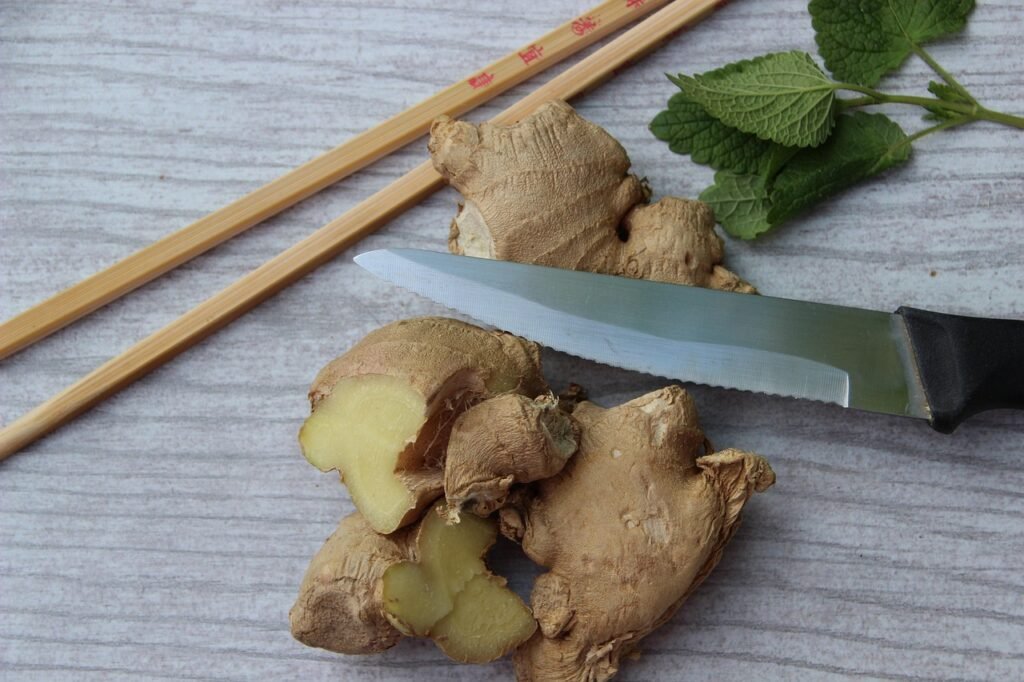
Ginger is one of the most versatile ingredients in the kitchen, and this is where it truly shines. Its flavor is warm, spicy, slightly sweet, and aromatic, with a freshness that brightens both savory and sweet dishes.
In savory cooking, fresh ginger is a staple in many Asian cuisines. You’ll find it in stir-fries, curries, soups, and marinades. It pairs especially well with garlic, soy sauce, sesame oil, coconut milk, and chili. Ginger helps cut through richness, making it perfect for fatty meats, fried foods, and creamy sauces.
In baking and desserts, ginger brings warmth and depth. Many recipes suggest the use of ground ginger in gingerbread, cookies, cakes, and spice blends. Fresh ginger can add a surprising kick to fruit desserts, compotes, and syrups.
Ginger is also widely used in beverages like tea made by simmering fresh slices in water, often with lemon or honey. Ginger is the key flavor in ginger beer, ginger ale, and many herbal infusions.
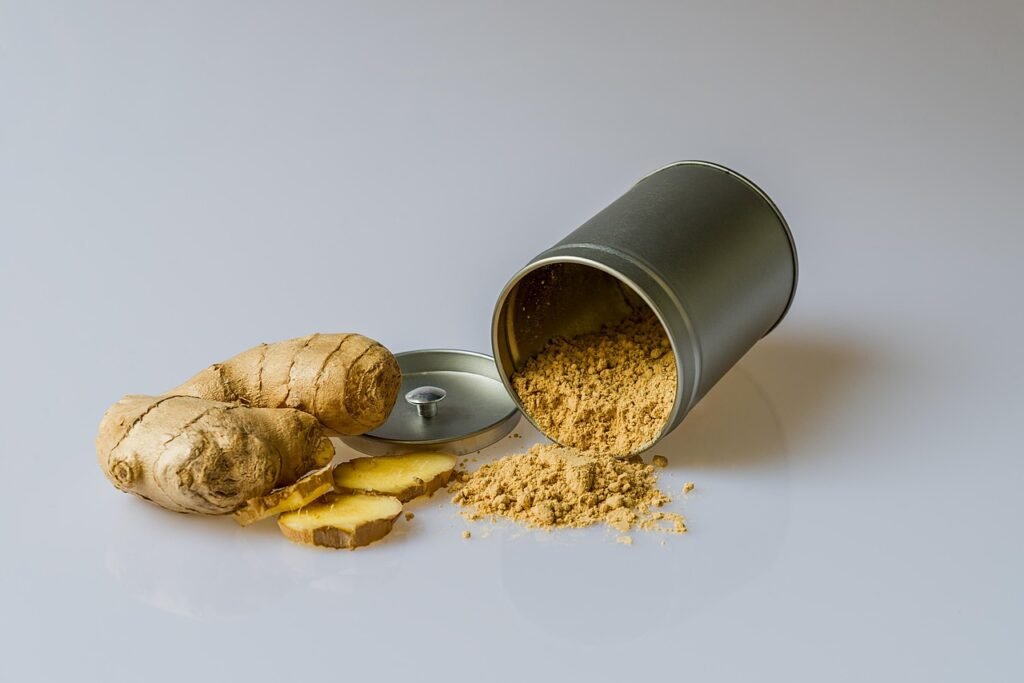
Different forms of ginger offer different experiences:
- Fresh ginger: Bright, spicy, and aromatic
- Dried ginger: Warmer, more concentrated, and slightly sweet
- Pickled ginger: Mild and tangy, commonly served with sushi
- Candied ginger: Sweet and spicy, often eaten on its own or used in baking
Because ginger can be intense, a little goes a long way. You can always add more, but it’s harder to take it out once it’s in the dish.
Health Benefits
Ginger has a long reputation as a healing plant, and modern research has helped explain why. Biochemical analysis have discovered that gingerols and shogaols, which have antioxidant and anti-inflammatory properties, are the compounds linked to the powerful health benefits associated to ginger.
One of the most well-known benefits of ginger is digestive support. Ginger can help stimulate digestion, reduce bloating, and ease nausea. It has been studied for its effectiveness in relieving motion sickness, pregnancy-related nausea, and nausea caused by medical treatments.
As mentioned above, medicine strongly recognizes the anti-inflammatory effects of ginger. This makes it useful for managing muscle soreness, joint stiffness, and mild inflammatory conditions. In addition, the scientific literature suggests that ginger may help reduce pain in people with osteoarthritis when used regularly.
Another area of interest is ginger’s effect on circulation and heart health. Ginger may help support healthy blood flow and cholesterol levels, although it should not replace medical treatment.
Ginger also has antimicrobial properties, which may help the body fight certain bacteria. Its warming effect can be comforting during colds, especially when consumed as a hot tea.
While ginger is not a cure-all, it is a powerful example of how food and health often overlap. Using ginger regularly in cooking is an easy way to add both flavor and functional benefits to your diet.
Toxicity and Safety
Ginger is generally considered very safe when consumed in normal culinary amounts. Most people tolerate it well, whether fresh, dried, or cooked.
In large supplemental doses, ginger may cause mild side effects such as heartburn or stomach discomfort. People taking blood-thinning medications or those with gallbladder conditions should talk to a healthcare provider before using concentrated ginger supplements.
For everyday cooking and tea, ginger is safe and well-tolerated for the vast majority of people.
Environmental Impact
Ginger farming can have both positive and negative environmental effects, depending on how we grow it. Small-scale and organic ginger farming often uses fewer chemicals and supports soil health through composting and crop rotation.
Large-scale commercial production, however, can involve heavy fertilizer and pesticide use, which may impact soil and water quality. Choosing organically grown ginger when possible can help reduce environmental impact.
Because ginger is a perennial-like crop grown from rhizomes, we can cultivate it efficiently in home gardens and small farms, making it a relatively sustainable spice when grown responsibly.