








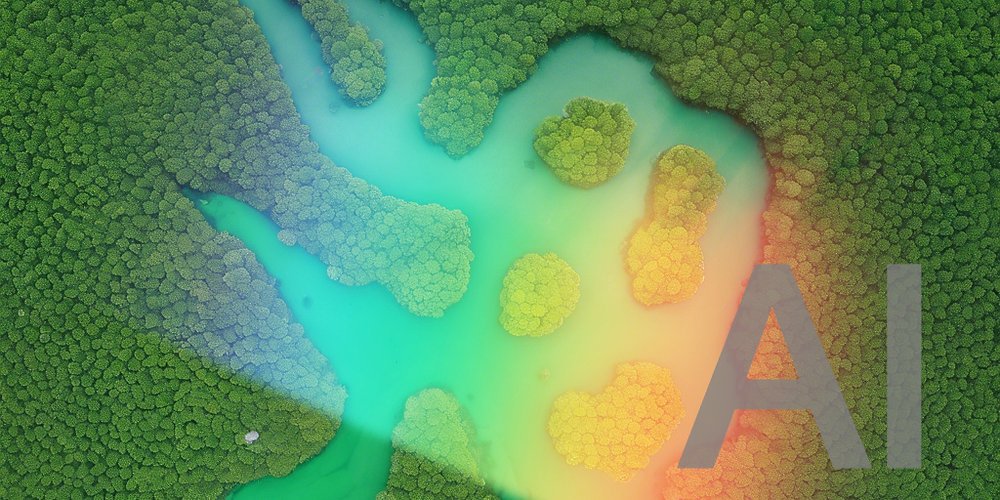
This article is about how green algorithms and artificial intelligence are helping protect forests and fight climate change—and how you can be part of the solution.
“Nature doesn’t ask for much—just to be left standing. Luckily, we’ve got smart tools that can help us listen better.” – The Economic Botanist
If I told you that artificial intelligence (AI) could help save forests and fight climate change, would you believe me? It might sound like science fiction, but it’s already happening. All across the globe, researchers, scientists, and environmentalists are using smart tech—what we’re calling green algorithms—to protect the natural world.
And here’s the best part: this isn’t just about big corporations or top-secret labs. You and I? We’re part of the solution too.
In this post, we’ll break down what green algorithms are, how they work, where they’re being used in conservation today, and why you should care. We’ll keep it real, easy to follow, and a little bit fun.
- What Are Green Algorithms, Really?
- The Role of AI in Conservation Efforts
- Fighting Deforestation with Smart Data
- AI in Climate Change Monitoring
- Green Algorithms in Agriculture and Ecosystem Health
- The Ethics of AI in Nature Conservation
- Success Stories: Where It’s Already Working
- Challenges We Still Face
- What’s Next for Green Algorithms?
- How You Can Get Involved
- The Bottom Line
What Are Green Algorithms, Really?
Let’s start with the basics.
Green algorithms are computer programs powered by AI or machine learning (ML) that help solve environmental problems. They analyze huge amounts of data—from satellite images to sound recordings—to make sense of what’s happening in nature.
In simpler terms: they’re like super smart digital detectives working behind the scenes to protect ecosystems.
You’ve probably heard of AI being used in cars, customer service, or even your phone. But when it’s applied to nature, it becomes a game-changer for conservation technology.

The Role of AI in Conservation Efforts
AI is transforming nature conservation in ways we couldn’t imagine a decade ago. Here are some of the main ways AI for nature conservation is making waves:
Pattern recognition in wildlife movement and its impact on flora
Predictive models for ecosystem threats
Real-time data monitoring for habitats
AI drones for aerial mapping
Machine learning tools that help identify plant species from images
The big win here? Speed. What used to take months to analyze now takes minutes.
Fighting Deforestation with Smart Data
Deforestation is one of the biggest threats to our planet. But green algorithms are stepping in.
Using satellite images and remote sensing AI, researchers can:
Spot illegal logging in real-time
Predict which areas are at risk
Alert local authorities before it’s too late
A great example? Global Forest Watch, which uses AI for environmental monitoring to track forest loss and tree cover change around the world.
Thanks to this tech, forests are getting a fighting chance.
AI in Climate Change Monitoring
Here’s where things get serious.
Climate change is tricky to track because it’s happening everywhere, all the time. AI helps by:
Monitoring carbon emissions
Analyzing climate models
Detecting subtle temperature changes in oceans and air
Even big players like NASA use AI-driven sustainability tools to predict how ice sheets are melting or how sea levels are rising. So yeah, green algorithms aren’t just cool—they’re essential.
Green Algorithms in Agriculture and Ecosystem Health
Healthy ecosystems start with healthy soil and food systems. Here’s how AI is helping there too:
Smart irrigation systems use AI to reduce water waste
AI crop monitoring predicts pests and diseases
Data-driven planting techniques support biodiversity
AI in environmental science isn’t just for forests and oceans. It’s helping farmers grow smarter and greener.
The Ethics of AI in Nature Conservation
Now, let’s pause for a second.
Just because we can use AI doesn’t always mean we should. Ethical questions come up, like:
Who owns the data collected in remote villages?
What happens if AI systems fail or are hacked?
Are we over-relying on tech instead of local knowledge?
Good questions. Smart conservation means being thoughtful, transparent, and respectful—especially when AI meets indigenous land, cultural heritage, or sensitive ecosystems.
Success Stories: Where It’s Already Working
Here are a few real-world wins where green algorithms have helped:
Rainforest Connection: Using old smartphones and AI to detect illegal logging sounds in real time.
iNaturalist: Apps where anyone (yes, even you) can contribute to species tracking and biodiversity data.
These success stories show that when humans and machines work together, amazing things can happen.
Challenges We Still Face
No tech is perfect. Green algorithms still face hurdles like:
Limited internet access in remote areas
Data bias or low-quality data
High costs of AI implementation
Gaps in digital skills for conservation workers
But hey—awareness is the first step toward fixing things.
What’s Next for Green Algorithms?
Looking ahead, here’s what the future might hold:
More open-source AI conservation tools
Global networks of smart sensors and satellite data
Real-time feedback loops for conservation decision-making
Stronger partnerships between AI developers and environmentalists
We’re not just dreaming—we’re building the tools now.
How You Can Get Involved
You don’t need a PhD to make a difference.
Here’s how you can support AI in conservation:
Join citizen science platforms
Support nonprofits working with AI for sustainability
Learn a bit about how data works (you’d be surprised how easy it is)
Spread the word—talk about AI and the environment on social media
The Bottom Line
AI might not save the world on its own, but it sure gives us a fighting chance. Green algorithms are smart, fast, and full of potential—and they’re already helping protect the planet you and I call home.
So the next time you think of AI, don’t just picture robots and data centers. Picture forests growing back and a planet that’s healing—with a little help from tech and a whole lot of heart.
********************
Want to be part of the green algorithm revolution? Share this article, explore one of the citizen science apps, or support an organization using AI.