

This article is about the smallest flowers in the world.
“Nature’s tiniest wonders often leave the biggest impressions in our hearts.” – The Economic Botanist
Ready to go on a delightful journey into the world of nature’s smallest flowers? Together, we’re about to spotlight the world’s 5 smallest flowers, unpacking their secrets and savoring their microscopic beauty. So let’s get blossoming.
- Understanding “smallest flowers”
- Why tiny matters
- #1 Watermeal (Wolffia globosa (Roxb.) Hartog & Plas)
- #2 Common watermeal (Wolffia arrhiza (L.) Horkel ex Wimm.)
- #3 Asian fawn lily (Erythronium japonicum Poit.)
- #4 Snowdon lily / Alpine lily (Lloydia serotina (L.) Rchb.)
- #5 Three birds orchid (Triphora trianthophoros (Sw.) Rydb.)
- Special mentions: Honorable tiny blooms
- How do they survive?
- Threats to tiny blooms
- How you can help protect them
- The Bottom Line
Understanding “smallest flowers”
When we talk about smallest flowers in the world, we’re focusing on the size of the bloom—the part that holds pollen and attracts pollinators—not the entire plant. Some plants look tiny because their leaves are small; but what really earns the title “smallest flower” is having a flower under just a few millimeters in diameter.
Flowers this small often blend into their surroundings. You might step right over them! Yet, these tiny flowers are full of beauty, science, and ecological importance. They are astonishing examples of how nature maximizes every millimeter. And while it sounds niche, their study reveals big lessons in botany, conservation, and environmental resilience.
Why tiny matters
You could ask, “What’s the big deal about tiny blooms?” Great question. Here’s why these miniature florals are honestly a big deal:
Biodiversity heroes. These flowers may be small, but they play a crucial role in ecosystems by supporting insects, fungi, microbes, and even small fish.
Evolution in action. Studying how a flower can function at such a tiny scale gives us insights into plant genetics, reproductive structures, and how life can adapt.
Environmental indicators. Many of these flowers are super sensitive to changes. Their decline often signals problems like pollution or habitat changes early on.
Potential helpers to humans. Some, like the Wolffia species, show promising uses in nutrition, water cleaning, and even biofuel.
So yes, tiny matters—and these little champions prove it.
#1 Watermeal (Wolffia globosa (Roxb.) Hartog & Plas)
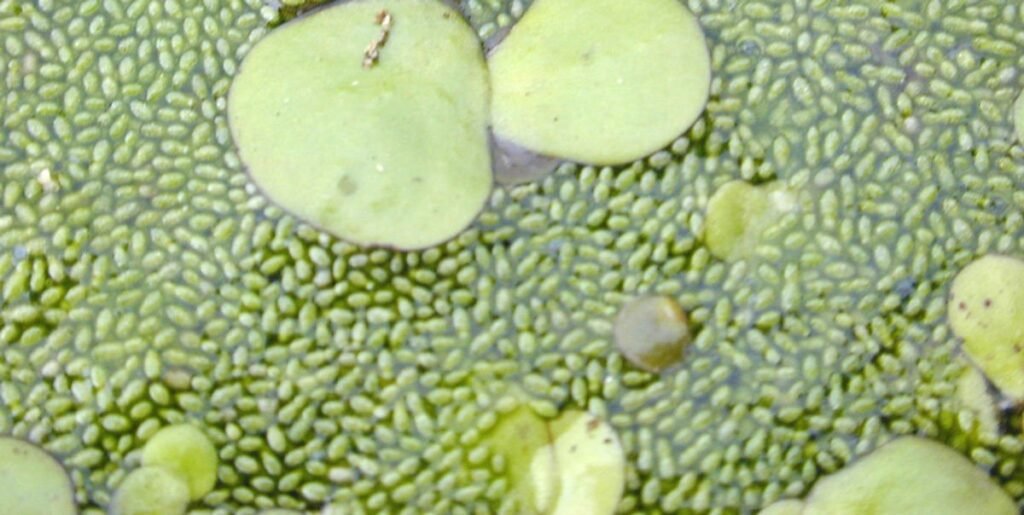
What is it?
Wolffia globosa, often called watermeal, is arguably the world’s smallest flowering plant. Picture a green seed floating in water—that’s it. No stems, no leaves, just a simple oval.
Size stats
Flower: ~1 millimeter wide—so small you’ll need a microscope
Plant body: almost the same
Fun Fact
Protein-packed future: Wolffia globosa, sometimes called “duckweed,” packs nearly twice the protein of soybeans—scientists are exploring it as a superfood or feed!
Habitat
Ponds, wetlands, slow-moving freshwater
Found in Asia, the Americas—pretty widespread in warm, nutrient-rich waters
What makes it special
Grows like crazy: duplicates every 24–48 hours in ideal conditions
Value-packed: protein-rich, up to 45% protein by dry weight, making it a contender for sustainable superfood
Water-cleaning champ: absorbs nutrients like nitrogen and phosphorus—helpful in polluted water bodies
Fun Fact
Studies have shown how W. globosa can reduce nutrient pollution in slow-moving or stagnant water—and even help curb algae blooms. Scientists are also decoding its genome to enhance its use as human food and animal feed.
#2 Common watermeal (Wolffia arrhiza (L.) Horkel ex Wimm.)
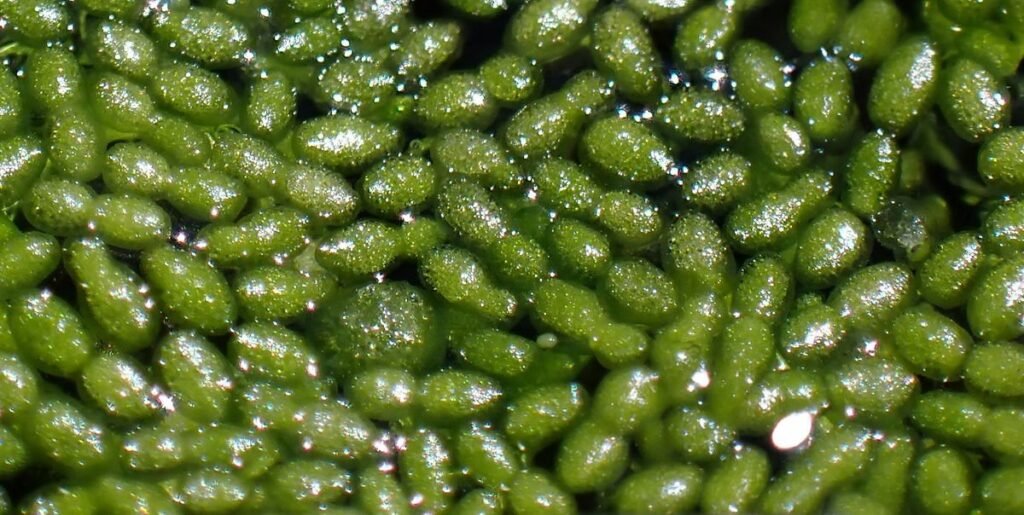
Let’s meet the close cousin—Wolffia arrhiza, aka common watermeal. If you thought plant size variation was minimal before, this takes it to another level.
Size stats
Bloom and plant: 0.9–1.5 mm—still in the realm of “blink and you miss it”.
Habitat
Freshwater across Europe, Asia, Africa, and North America
Loves still or slow-moving ponds and swamps
Traits & importance
Among the tiniest flowering plants on Earth
Exhibits rapid vegetative reproduction like W. globosa
Potential for biofuel due to its fatty biomass
Fun Fact
This little plant has one of the smallest known genomes, making it a favorite among geneticists studying flowering plant evolution and adaptation.
#3 Asian fawn lily (Erythronium japonicum Poit.)
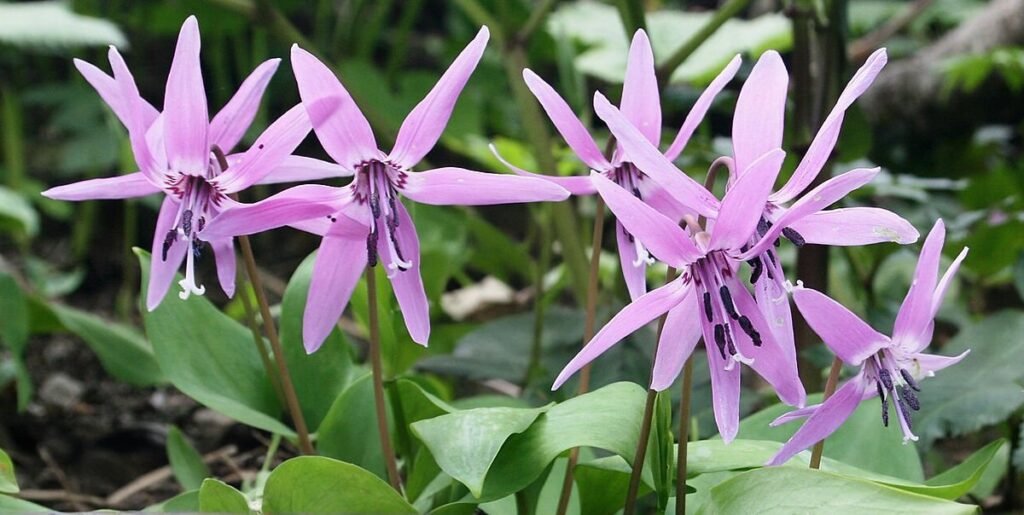
Now let’s shift from microscopic to modest—but still pretty small! These lilies are sometimes called Asian fawn lilies for their gentle, deer-like appearance.
Size stats
Bloom: ~1–2 cm across—tiny compared to other lilies
Habitat
Native to Japan, Korea, and China
Prefers moist, shaded woodlands in spring
Features
Pinkish-lavender petals, often with mottled leaves
Nodding flowers—look like tiny deer heads if you let your imagination wander
Why it matters
It’s an early spring bloomer, awakening before trees leaf out
Provides vital pollen and nectar for spring insects—helping jumpstart the season
Fun Fact
Early pollinators like bees and butterflies depend on plants like E. japonicum. Their emergence signals the waking of woodland life each spring.
#4 Snowdon lily / Alpine lily (Lloydia serotina (L.) Rchb.)
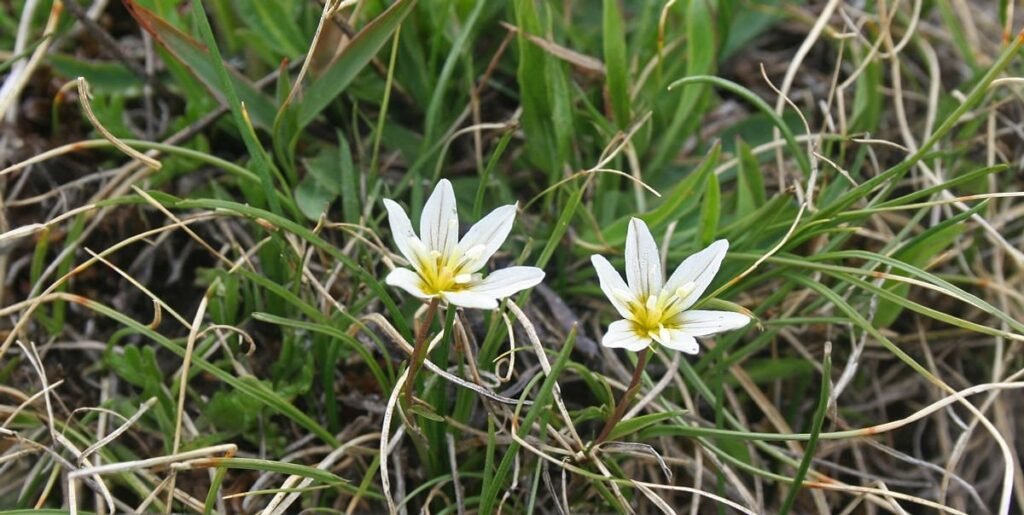
From woodlands, we’re climbing up—yes, literally! This lily thrives in tough alpine zones.
Size stats
Bloom: ~2–3 cm across—still small for lilies, but bold at high altitudes
Habitat
High-mountain areas like Mount Snowdon (Wales), the Alps, and Scandinavian peaks
Perfectly suited for rocky, gravelly environments stuff full of sun, wind, and cold
Why it’s amazing
Stunning white, yellow-throated flowers that bloom in short alpine summers
Highly rare and protected in many places, especially Wales
Fun Fact
Populations are fragile: climate change, habitat disturbance, and tourism put it at risk. Efforts are underway to monitor and conserve alpine pockets.
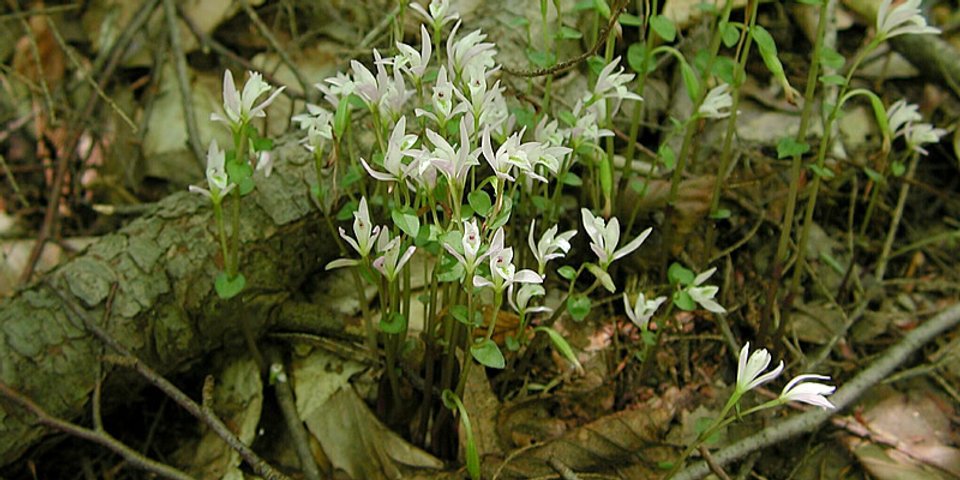
#5 Three birds orchid (Triphora trianthophoros (Sw.) Rydb.)
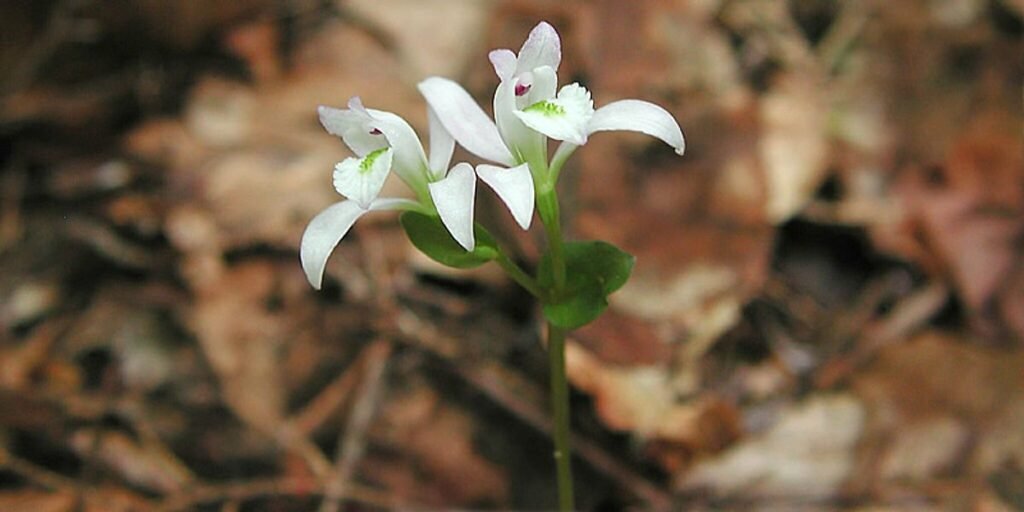
Finally, let’s meet the forest ninja of the tiny flower world—the Three Birds Orchid.
Size stats
Bloom: ~1–2 cm
Plant: ~10–20 cm tall—small, but noticeable if you know where to look
Habitat
Deep in moist, deciduous forests of eastern North America
Especially in undisturbed, leafy forest floors with rich, damp soil
Fun Fact
Secret bloom alert: Triphora trianthophora flowers open for just a few precious hours—and usually just at dawn. It’s like a tiny floral crescendo in the woods.
Special features
Bears three small reddish-brown blooms—thus the “Three Birds” name
Flowers open just a few hours, usually at dawn in mid-summer—like a secret woodland event
Special mentions: Honorable tiny blooms
There are plenty of other tiny botanical wonders that didn’t make the top five, but are still super cool:
Shoreshinella species: tropical rain forest understory orchids with blooms under 1 cm
Genlisea species, also known as corkscrew plants: carnivorous plants with tiny flowers that trap micro-organisms
Even if these aren’t headline stars, they show how wildly creative evolution can be on a micro scale.
How do they survive?
It’s wild how such small flowers survive—and thrive! Here’s how:
A) Niche specializing
They live where larger competitors struggle—pond surfaces, alpine cracks, shaded leaf litter.
B) Speedy reproduction
Wolffia twins fast by budding
Triphora blooms briefly, just when conditions are perfect
C) Nutrient smarts
Filters pond nutrients
Orchids tap fungi for food
D) Seasonal timing
Woodland lilies open early spring before canopy grows
Alpine lilies use the short summertime window effectively
Threats to tiny blooms
Tiny doesn’t mean safe. Many of these flowers face threats:
| Threat | Affected Plants |
|---|---|
| Habitat loss | Pond drainage, wetland conversion (threatens Wolffia spp.) |
| Climate change | Warming and changing precipitation patterns (risks alpine and woodland species) |
| Human disturbance | Tourism and trampling (harmful to Lloydia and woodland lilies) |
| Pollution | Water contamination and air pollution impacting delicate habitats |
Just because they’re small doesn’t mean they’re invincible.
How you can help protect them
You can absolutely help protect these micro-marvels. Here’s the checklist:
Conserve wetlands – supporting local watershed efforts keeps water clear and plants thriving
Tread lightly in natural settings – especially ponds, alpine trails, and leaf litter areas
Don’t pick or dig rare plants—just snap photos or leave them be
Back conservation groups – volunteer or donate! Specialists help monitor and protect rare blooms
Garden natively – plant small wildflowers and pond plants in your own space to offer refuge
You—even one person—can make a big difference.
The Bottom Line
Exploring the world’s 5 smallest flowers reminds us how nature uses all scales—from giant redwoods to micro watermeals—to fluff the tapestry of life. These tiny botanical wonders may escape our notice, but they fill key ecological roles, inform science, and inspire conservation.
Next time you walk by a pond, peek into a mountain scree, or wander in the woods, pause and look closer—you might just spot one of these miniature marvels. And when you do, you’ll know it’s more than tiny—it’s a window into a world where big science meets small beauty.