









This article is about exploring how solar energy can power essential oil extraction from aromatic plants, making the process greener and more sustainable.
“Harnessing sunlight to capture nature’s scents—it’s science made simple, green, and smart.” – The Economic Botanist
Essential oils aren’t just about fancy diffusers and spa days. They’re part of a much bigger story—one that begins with sunlight, travels through fields of lavender, peppermint, and eucalyptus, and ends up in that tiny bottle of concentrated plant magic on your shelf.
You know those strong-smelling oils you dab behind your ears or add to homemade cleaners?
They don’t just appear out of thin air. Behind every drop is a surprisingly complex mix of chemistry, agriculture, and—more and more—solar technology. That’s right: your favorite calming scent might soon come from a process powered entirely by the sun.
In this article, we’re going to roll up our sleeves and take a sunny stroll through the world of solar-powered essential oil extraction. From how these systems work to why they matter for farmers, the planet, and your wellness routine, this guide breaks down the science, the sustainability, and the potential for a cleaner, greener way to harness nature’s scents. Whether you’re an herbal hobbyist, a small business owner, or just curious about where your oils come from, you’re in the right place.
Solar Energy & Essential Oils
Imagine capturing the sunshine to help extract your favorite lavender or peppermint oils—that’s what solar essential oil extraction is all about. You get eco‑friendly essential oils and save on energy costs. It’s a win-win!
Why Sustainability Matters
Essential oils are amazing—they’re used in natural remedies, cleaning products, perfumes, and more. But traditional methods like hydro-distillation or steam distillation often rely on burning fuel. That means more carbon emissions and higher costs. That’s where sustainable essential oil production steps in—using solar energy for agriculture helps reduce emissions and saves money, without compromising on quality.
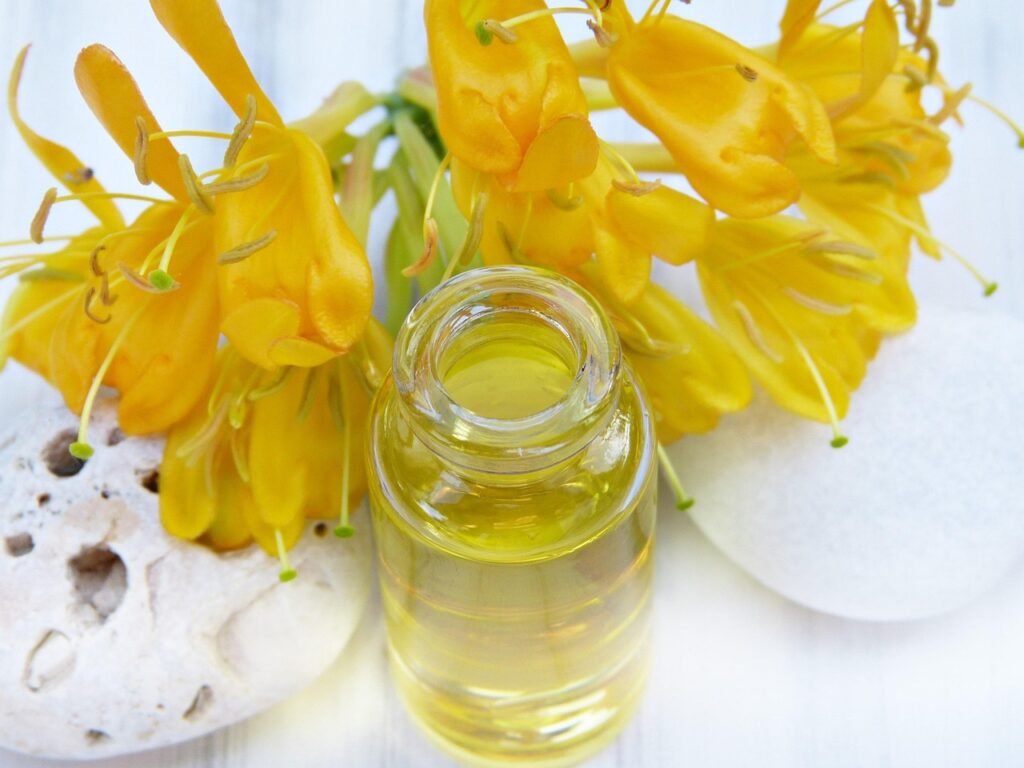
Traditional vs. Solar-Based Extraction
Traditional Methods
Steam distillation: Common but energy-heavy.
Hydro‑distillation: Works well but burns fuel, leaving a carbon footprint.
Solar-Based Extraction
Uses sunlight to heat the plant material.
Methods include solar distillation systems, solar stills, and solar concentrators.
| Factor | Traditional Extraction | Solar-Based Extraction |
|---|---|---|
| Energy source | Gas, fuel, electricity | Sunlight (free and renewable) |
| Environmental impact | Higher CO₂ emissions | Lower carbon footprint |
| Operating cost | Ongoing fuel or power bills | Minimal after setup |
| Quality | High, but risk of overheating | Gentle heating preserves aroma |
That makes solar steam distillation a game-changer for anyone after clean energy essential oils.
How Solar Distillation Works
Here’s a step-by-step breakdown:
Solar collector or still: Captures sunlight and heats the water or the plant.
Evaporation: Plant oils vaporize along with steam.
Condensation: Vapors cool in a condenser.
Collection: You collect the oil separate from water.
These solar thermal systems mean no fossil fuel, just sunshine doing the heavy lifting.
Fun Fact
Some desert farms use solar concentrators to reach temperatures over 200 °C, enough to extract even tough resin oils!
Case Studies: Real‑World Applications
Small‑scale farmers: In India and Africa, people use off‑grid essential oil production—no power lines needed!
DIY enthusiasts: They build solar stills for oils at home using mirrors and glass.
Small businesses: They switch to solar-based herbal distillation, reducing energy bills and cutting CO₂.
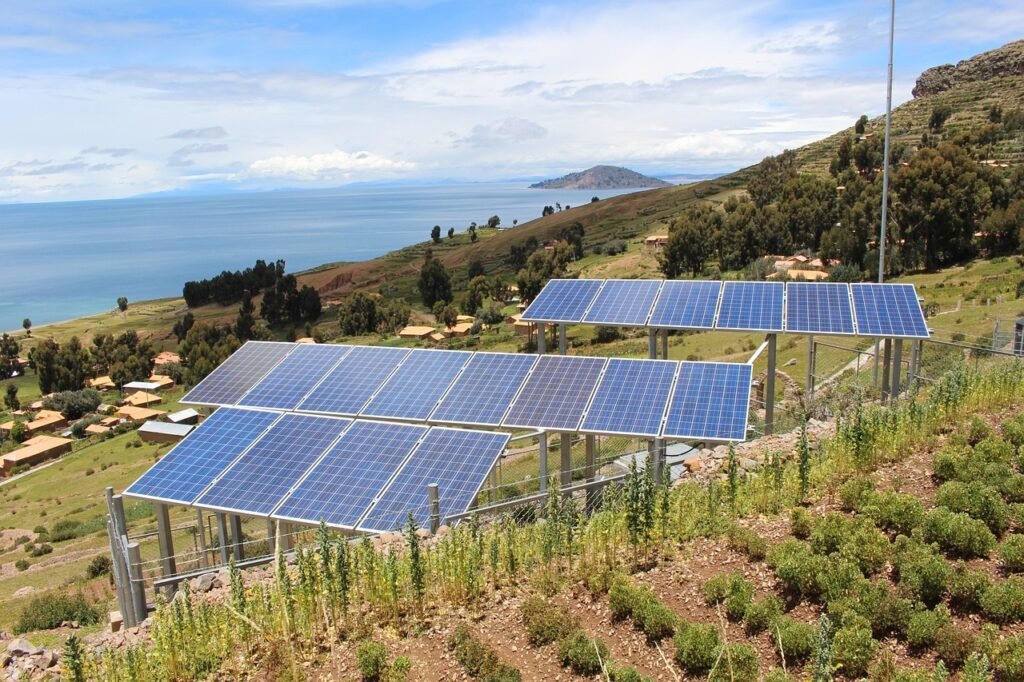
These stories show how the solar extraction units can transform essential oil production around the world.
Benefits of Solar Oil Extraction
Environmental: Zero fuel, lower emissions, full use of renewable energy distillation.
Economic: Saves money on low-cost essential oil production, reduces reliance on electricity.
Quality: Gentle heat equals better aroma and better yields.
Why You’ll Love It
When you use solar technology for herbs, you’re not just making oils—you’re making a difference.
Fun Fact
A well-built solar still can reduce energy costs by up to 90% compared to traditional distillation.
Challenges & Limitations
Sunlight varies—weather dependence can slow things down.
Initial setup costs for collectors and stills can be steep.
Scaling up to commercial levels takes planning.
Research is ongoing—for example, hybrid and smart systems with solar-driven distillation systems and solar energy in farming IoT integration.
Setting Up Your Own Solar Distillation Unit
Here’s what you’ll need:
Solar collector or mirror array
Still or distillation vessel
Condenser
Collection container
DIY vs. Commercial
DIY: Good for hobbyists; you can even repurpose old windows or mirrors.
Commercial units: Come ready to go—just plug and distill!
Tips
Arrange for maximum sun exposure.
Insulate well to reduce heat loss.
Clean and maintain your gear frequently.
This lets anyone enjoy natural oil extraction techniques powered purely by the sun.
Future Outlook
The future looks bright (literally):
Growing interest in renewable energy distillation in the essential oil market.
Governments offering incentives and programs promoting green tech.
Emerging tech: using AI and IoT for smart solar distillation systems.
The Bottom Line
You’ve seen how solar distillation of herbs blends science with sustainability. It’s not just practical—it’s a responsible choice for anyone who loves nature.
Solar-powered extraction offers low-cost essential oil production with real environmental and quality benefits. Whether you’re a hobbyist or entrepreneur, it’s worth considering.
********************
Ready to make the switch to sustainable, solar-powered essential oil extraction? Start small, explore DIY setups, or check out solar distillation units online.