









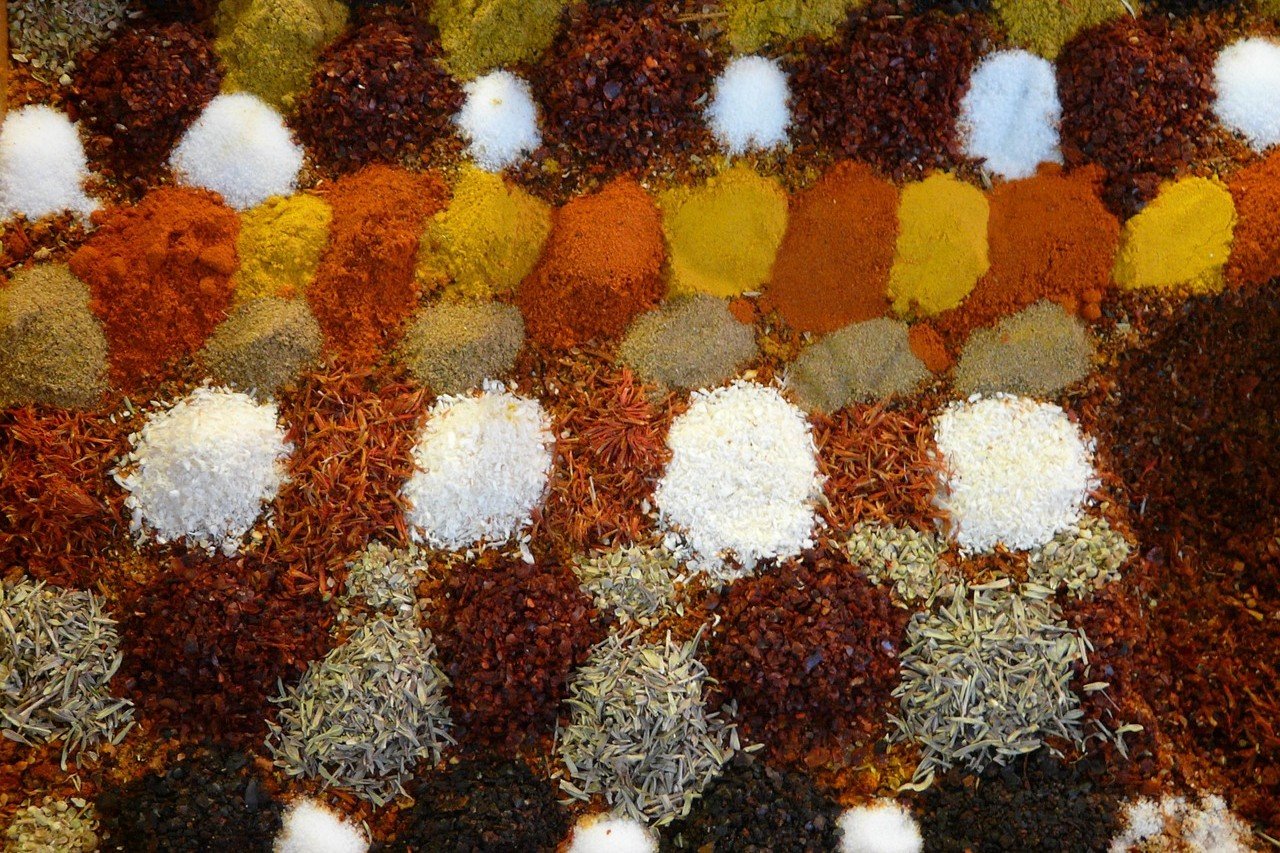
The article is about the most expensive spices in the world, why they cost so much, and how you can use them to elevate your cooking at home.
“The value of a spice is never just in its flavor, but in the story of the land, labor, and time it carries.” – The Economic Botanist
Spices have shaped trade routes, built empires, and transformed simple meals into unforgettable dishes. Yet, when you look at the price of some spices today, it can feel surprising—sometimes even shocking. Why does a small jar cost so much? And more importantly, is it worth it for you?
As you explore the world of the most expensive spices, you’ll quickly see that their high price is not random. Instead, it comes from a mix of careful harvesting, limited supply, and powerful flavor. In this article, we’ll break it all down in a simple, clear way so you can understand what makes these spices special—and whether they belong in your kitchen.
- What Makes the Most Expensive Spices So Valuable
- Top 10 Most Expensive Spices in the World
- Spice Price Comparison and Market Trends
- Where to Buy Luxury Spices
- Cooking with Expensive Spices
- Why Expensive Spices Are Worth It
- Affordable Alternatives to Expensive Spices
- How to Store Expensive Spices
- The Bottom Line
What Makes the Most Expensive Spices So Valuable
First, let’s get clear on why certain spices fall into the “luxury spices” category. While many everyday spices are easy to grow and process, expensive spices usually require far more effort.
To begin with, labor plays a huge role. For example, some spices must be picked by hand, often in very small quantities. Because of this, farmers spend hours collecting what ends up being just a few grams of usable product.
Next, growing conditions matter. Many rare spices only grow in very specific climates. If the weather changes or crops fail, supply drops quickly. As a result, prices rise.
In addition, processing methods add to the cost. Some spices go through long drying or curing steps before they are ready to sell. This takes time, space, and skill.
Finally, demand drives everything. When chefs and home cooks around the world want a spice that is already limited, the price naturally climbs.
Fun Fact
Saffron requires about 75,000 flowers to produce just one pound of spice.
Top 10 Most Expensive Spices in the World
Now that you understand the basics, let’s explore the top 10 most expensive spices. Each one has its own story, flavor, and reason for its high cost.
Saffron – The King of Expensive Spices
Without a doubt, saffron sits at the top of the list. Often called the world’s most expensive spice, saffron comes from the tiny stigmas of a flower.
Because farmers must pick each strand by hand, production takes a huge amount of time. As a result, saffron price per gram can reach very high levels.
In the kitchen, saffron adds a rich golden color and a slightly sweet, earthy flavor. You’ll often find it in dishes like rice, soups, and seafood.
Vanilla Beans – A Sweet but Costly Favorite
Next, vanilla beans may surprise you. While many people think of vanilla as common, real vanilla beans are actually quite expensive.
This happens because growing vanilla requires hand pollination. In addition, the curing process takes several months. Therefore, the final product carries a high price.
It’s worth noting that not all vanilla is the same. Tahitian vanilla, for example, offers a floral, fruity taste, while Madagascar vanilla provides a rich, classic flavor. Because each type grows in specific regions, prices can vary widely.
Real vanilla adds depth and warmth that artificial versions simply cannot match.
Cardamom – Small Pods, Big Price
Moving on, cardamom stands out as one of the most expensive spices used in both sweet and savory dishes.
Although the pods look small, they pack a strong flavor. However, harvesting them takes time and care, which increases the cost.
Because of its unique taste, cardamom appears in baked goods, teas, and spice blends around the world.
Cinnamon
While most people use common cinnamon, true cinnamon (also called Cinnamomum verum) costs more.
Unlike cheaper varieties, true cinnamon has a softer texture and a more delicate flavor. Since it grows in limited regions, supply stays low.
Clove – A Historic Luxury Spice
Cloves have a long history in global trade. In the past, they were as valuable as gold in some regions.
Today, they are more available, but high-quality cloves still come at a premium. Their strong, warm flavor makes them popular in both sweet and savory cooking.
Mahlab – A Hidden Gem
Mahlab may not be as well-known, but it deserves attention. Made from cherry seeds of Prunus mahaleb, it has a unique nutty and slightly sweet taste.
Since it is not widely produced, it remains one of the more rare spices on the market.
Pink Peppercorn
Despite the name, pink peppercorn is not true pepper (Capsicum spp). Instead, it comes from a different plant, Schinus spp.
Its bright color and mild flavor make it popular in gourmet cooking. However, limited harvesting keeps prices higher than common spices.
Fennel Pollen – The “Spice of Angels”
Fennel pollen is often called one of the most luxurious spices. It offers a sweet, delicate flavor that enhances many dishes.
Because collecting pollen takes careful work, it remains expensive and rare.
Curry Leaves
Finally, curry leaves are essential in many cuisines. While fresh leaves are common in some regions, they can be costly elsewhere due to shipping and storage challenges.
Spice Price Comparison and Market Trends
When you compare spice prices, you start to see clear patterns. First, spices with more labor-intensive production cost more. Second, spices with limited growing regions also rank higher in price.
For example, saffron often sells for hundreds or even thousands per pound. Meanwhile, vanilla prices can change quickly depending on weather and crop yields.
In addition, global demand continues to rise. As more people explore gourmet cooking, the demand for exotic spices grows. Because of this, prices may continue to increase over time.
Where to Buy Luxury Spices
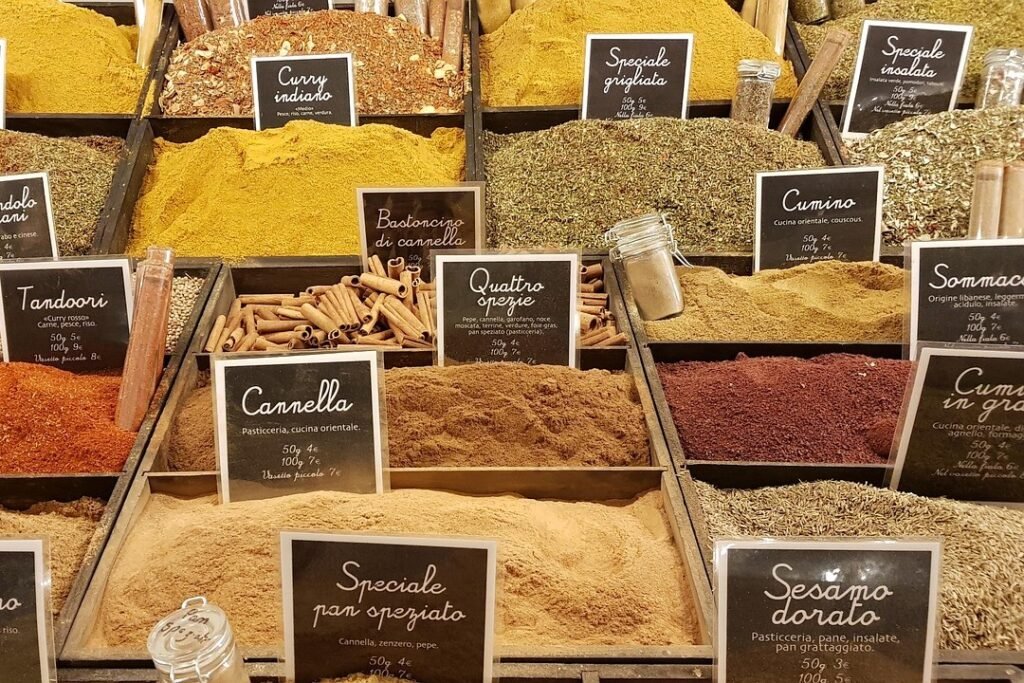
If you want to try these spices, you have several options. First, specialty grocery stores often carry small amounts of high-end spices.
Next, online shops offer a wider selection. However, you should always check reviews and sourcing details before buying.
In general, look for sellers who provide clear information about origin and quality. This helps you avoid low-grade or fake products.
Cooking with Expensive Spices
At this point, you might wonder how to actually use these spices. The good news is that a little goes a long way.
For example, just a few strands of saffron can transform a dish. Similarly, a small amount of cardamom can add deep flavor to baked goods.
When cooking with expensive spices, start small. Then, adjust based on your taste. This approach helps you get the most value from your purchase.
In addition, try simple recipes first. This allows you to fully experience the spice without overwhelming it with other flavors.
Why Expensive Spices Are Worth It
Although the price may seem high, expensive spices offer real value. First, they provide stronger and more complex flavors.
Second, they often come from natural and traditional farming methods. This adds to their appeal and quality.
Finally, using these spices can turn everyday meals into something special. Even a simple dish can feel gourmet with the right touch.
Affordable Alternatives to Expensive Spices
Of course, not everyone wants to spend a lot on spices. Luckily, there are alternatives.
For example, you can use turmeric or paprika to mimic saffron’s color. While the flavor will differ, it still works in many dishes.
Similarly, vanilla extract can replace vanilla beans in baking. Although it is less complex, it still adds sweetness.
The key is to balance cost and quality based on your needs.
How to Store Expensive Spices
Once you invest in luxury spices, proper storage becomes important.
First, keep spices in airtight containers. This prevents moisture and air from reducing their quality.
Next, store them in a cool, dark place. Light and heat can weaken flavor over time.
Finally, use them regularly. Fresh spices always taste better, so don’t let them sit too long.
The Bottom Line
Expensive spices are more than just ingredients. They represent history, culture, and craftsmanship. While they may cost more, they also bring unique flavors that you simply cannot get elsewhere.
As you explore these rare spices, you don’t need to buy them all at once. Instead, start with one or two that interest you. Then, experiment and see how they change your cooking.
In the end, the goal is simple: enjoy the experience and discover new flavors that excite your taste buds.
Ready to elevate your cooking? Start with one luxury spice this week and see how it transforms your favorite dish.